The Senate Committee on Public Accounts has summoned the heads of three petroleum-sector institutions after rejecting an explanation for conflicting records of petrol imports into Nigeria.
The committee’s decision, reported on Wednesday, October 21, 2026, followed a hearing involving officials of the NMDPRA (Nigerian Midstream and Downstream Petroleum Regulatory Authority).
Lawmakers questioned why the regulator’s records differed substantially from figures submitted by NNPC Limited (Nigerian National Petroleum Company Limited) for the same periods.
According to Premium Times, the committee directed the heads of NMDPRA, NNPC and NEITI (Nigeria Extractive Industries Transparency Initiative) to appear at a joint meeting to reconcile the figures.
How much petrol is in dispute?
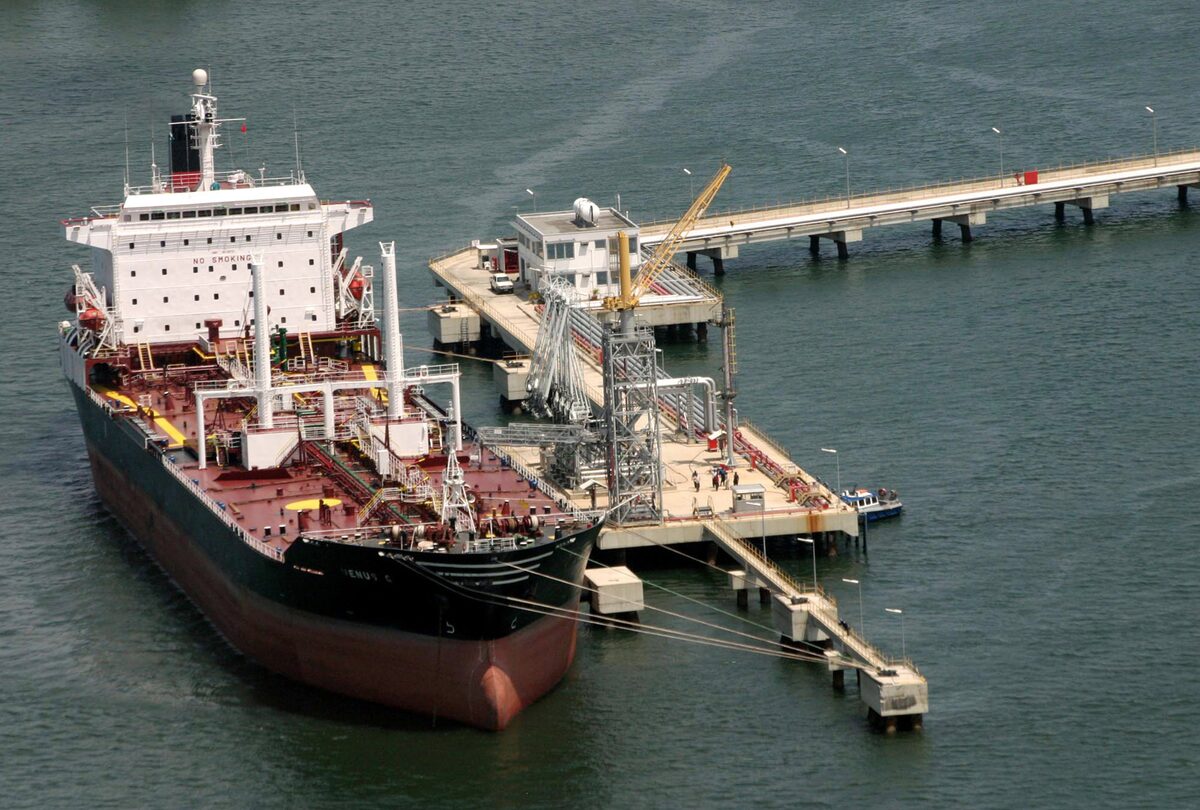
The controversy involves the volume of PMS (Premium Motor Spirit), commonly called petrol, attributed to NNPC’s importation activities in 2022 and 2023.
The two institutions submitted significantly different figures.
Year | NMDPRA records | NNPC records | Difference |
2022 | 3.29bn litres | 6.27bn litres | 2.98bn litres |
2023 | 6.02bn litres | 3.88bn litres | 2.14bn litres |
The two annual differences total 5.12 billion litres, although they run in opposite directions and cannot simply be described as missing petrol.
These figures concern the disputed records associated with NNPC, not the entire volume of petrol imported by all companies into Nigeria.
For context, NEITI’s broader petroleum industry audit recorded total petrol imports of approximately 23.54 billion litres in 2022 and 20.28 billion litres in 2023, including other marketers.
The discrepancies raise a fundamental question: why do institutions responsible for overseeing and accounting for petroleum transactions maintain different records of the same company’s imports?
Regulator defends its figures, senators demand investigation
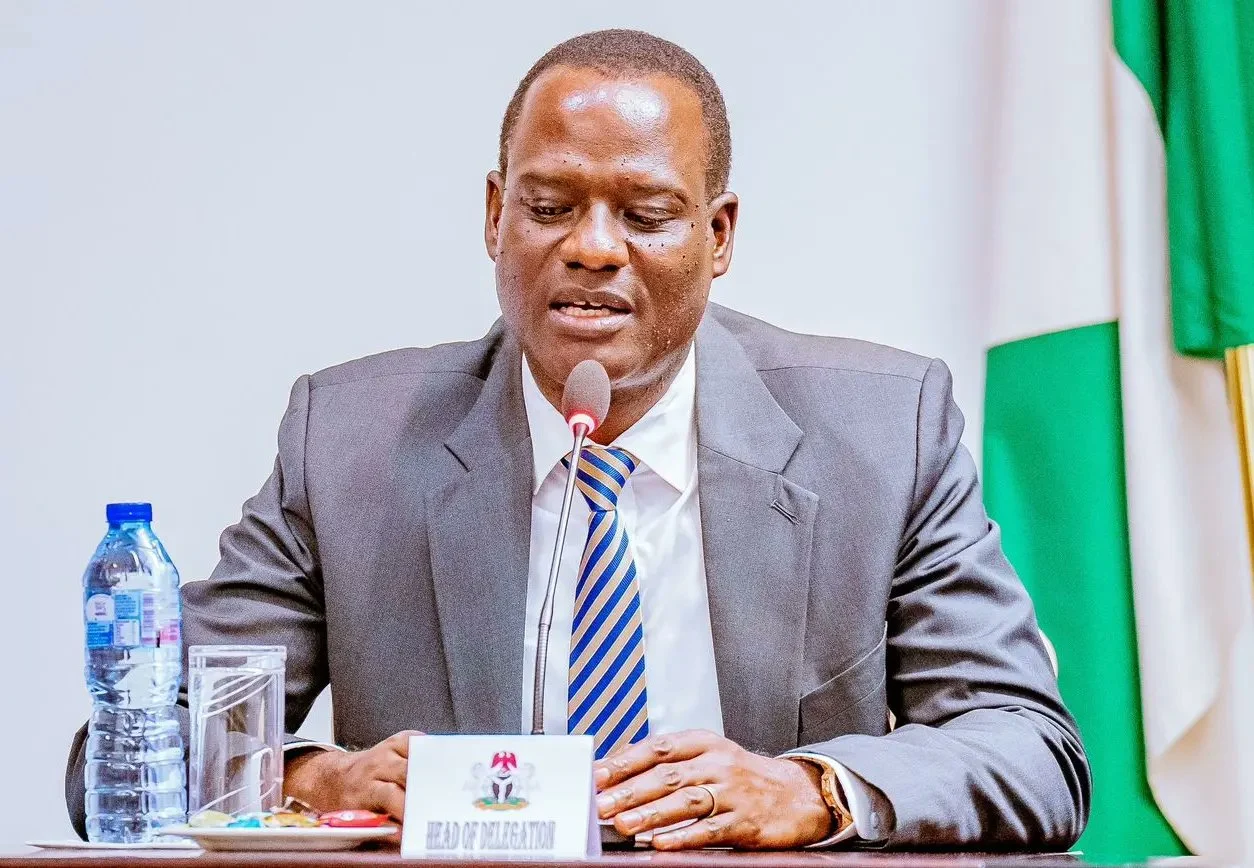
Uzoamaka Ugwu-Ojobe, who represented NMDPRA Chief Executive Rabiu Umar, maintained that the regulator’s records were credible.
She acknowledged the differences and described them as slight, saying efforts were underway to reconcile the figures.
However, members of the Senate committee rejected that description.
Senator Abdul Ningi, representing Bauchi Central, argued that differences of such magnitude could not reasonably be dismissed as minor.
Other lawmakers, including Francis Faduyile and Aniekan Bassey, questioned the reliability of the records and called for a comprehensive investigation.
Committee Chairman Ibrahim Dankwambo subsequently announced that the agency heads would be required to explain the discrepancies at a joint meeting.
No date for that meeting was established in the initial reports.
The problem was identified two years ago
Although the Senate’s latest intervention occurred in October 2026, the disputed figures are not a new discovery.
NEITI documented the inconsistencies in its 2023 Oil and Gas Industry Audit Report, published in September 2024.
The audit identified conflicting petroleum importation volumes and recommended that NNPC and NMDPRA conduct a retrospective reconciliation of their records.
It also raised concerns about how NNPC independently valued imported petroleum products, particularly where those valuations influenced government payments or claims relating to fuel subsidies.
NEITI recommended stronger independent verification and more coordinated oversight of petroleum imports.
The findings were publicly reported in October 2024, meaning the discrepancies have been known for approximately two years.
The Senate’s latest action therefore raises another question: why have the institutions not publicly demonstrated that the conflicting figures have been reconciled?
Why accurate petrol import records matter
Nigeria previously spent substantial public funds subsidising petrol, making the accuracy of import volumes particularly important.
During the subsidy period, the quantity and value of imported petrol were relevant to calculating the difference between the cost of supplying fuel and the amount recovered from its sale.
Inaccurate records could complicate the verification of these claims and the government’s financial obligations.
However, discrepancies between two datasets do not automatically prove fraud, financial losses or that billions of litres of petrol physically disappeared.
The institutions may have applied different reporting methods, accounting periods or classifications. Whether such differences explain the figures remains to be established.
An independent reconciliation would need to examine shipment documents, discharge records, import declarations and the methods used by each institution.
What this means for Nigerians
Petroleum revenues and expenditures are closely connected to government finances.
When official institutions cannot agree on how much petrol was imported, it becomes harder for lawmakers and the public to assess the reliability of related financial claims.
The Senate investigation offers an opportunity to establish which records are correct, explain any legitimate differences and identify possible irregularities.
However, summoning agency heads is only the beginning. The more important outcome will be whether the committee obtains verifiable records and makes its findings public.
Nigeria identified these discrepancies in 2024. Two years later, the public is still waiting for a clear reconciliation of the figures.