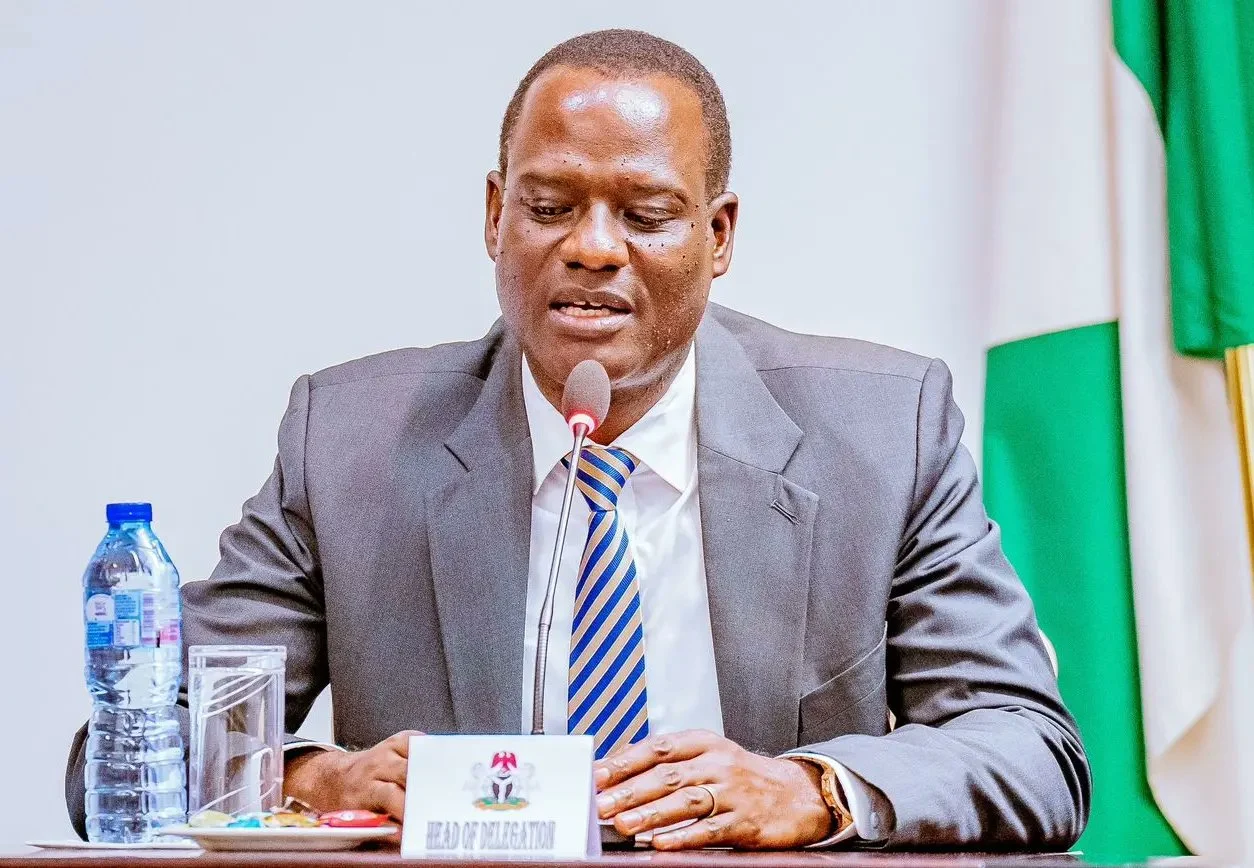
The Minister of Finance and Coordinating Minister of the Economy, Taiwo Oyedele, announced the directive at the 56th Annual Accountants’ Conference of the Institute of Chartered Accountants of Nigeria (ICAN) in Abuja on Tuesday, October 20.
The directive requires federal government agencies to prepare and submit their audited financial statements for publication during the first quarter of 2027, which ends on March 31.
According to The Guardian, Oyedele said financial reporting and government policy disclosures should become routine, accessible and open to public scrutiny.
The announcement forms part of a wider effort to improve public financial accountability and make government institutions more transparent.
Why audited financial reports matter
Every year, federal ministries, departments and agencies receive public money to fund salaries, operations, infrastructure and other government programmes.
They are expected to account for how these resources are collected, managed and spent.
An audited financial statement presents an institution’s financial position and transactions, examined by an auditor who reports whether the accounts meet applicable standards and identifies relevant concerns.
These records can help Nigerians understand how much money government institutions received, what they spent it on and whether their financial practices followed established rules.
They also provide information for the National Assembly, auditors and other oversight institutions responsible for examining public expenditure.
However, an audited financial statement is not the same as a budget.
A budget describes what an institution plans to spend. Its financial statements show what it actually recorded, while an audit examines the reliability and compliance of those records.
Both are necessary to assess how government resources are managed.
Nigeria has struggled with delayed financial reporting
The announcement comes amid longstanding concerns about delays in federal audit reporting.
According to The Guardian, the latest federal audit report submitted to the National Assembly covered the 2024 financial year and was submitted in July 2026. The report for 2025 was still outstanding when the new directive was announced.
That means lawmakers and the public may be reviewing financial records long after the spending occurred.
Delayed audits can make it more difficult to identify irregular expenditure, examine questionable transactions and hold responsible officials accountable while information is still timely.
The new directive is also not Nigeria’s first commitment to financial transparency.
The Federal Government’s Open Treasury Portal already outlines requirements for publishing financial information, including quarterly statements and annual audited accounts.
The problem has therefore been ensuring that reporting requirements are followed consistently.
Earlier this month, the Federal Ministry of Finance also instructed government agencies to remit legally due revenues promptly, transfer operating surpluses to the Consolidated Revenue Fund and submit audited accounts in accordance with existing laws.
What happens if agencies fail to comply?
Although the government has announced a publication deadline, important questions remain unanswered.
It has not publicly explained what penalties agencies could face for failing to submit their accounts on time, how longstanding reporting backlogs will be resolved or whether all published statements will be available in accessible formats.
The announcement also does not establish that every agency’s accounts have already been independently audited.
At the conference, ICAN President Queensley Seghosime emphasised that public confidence depends on reliable financial records, independent auditing and responsible management of public resources.
Her position highlights an important distinction: publishing financial documents is a step towards transparency, but accountability also requires reviewing their contents and responding appropriately to confirmed irregularities.
What this means for Nigerians
If implemented effectively, the directive could make it easier for citizens, journalists and public accountability organisations to examine how federal institutions manage public funds.
It could also strengthen legislative oversight by giving lawmakers more timely financial information.
For taxpayers, the benefit would be greater visibility into how government revenue is used and whether institutions are meeting their financial responsibilities.
However, publishing reports will not automatically prevent waste or ensure that funds reach essential public services.
The more significant test will be whether agencies meet the deadline, disclose complete records and respond to legitimate audit findings.
By March 2027, Nigerians should be able to judge this commitment by the financial reports made public, not merely by the announcement of another transparency policy.