An investigation published by The Guardian on October 19, 2026 found that tenants in Lagos and other major cities are struggling to keep up with rents that have increased considerably faster than their earnings.
Some households are relocating, sharing apartments or cutting other expenses to afford accommodation.
How expensive has housing become?
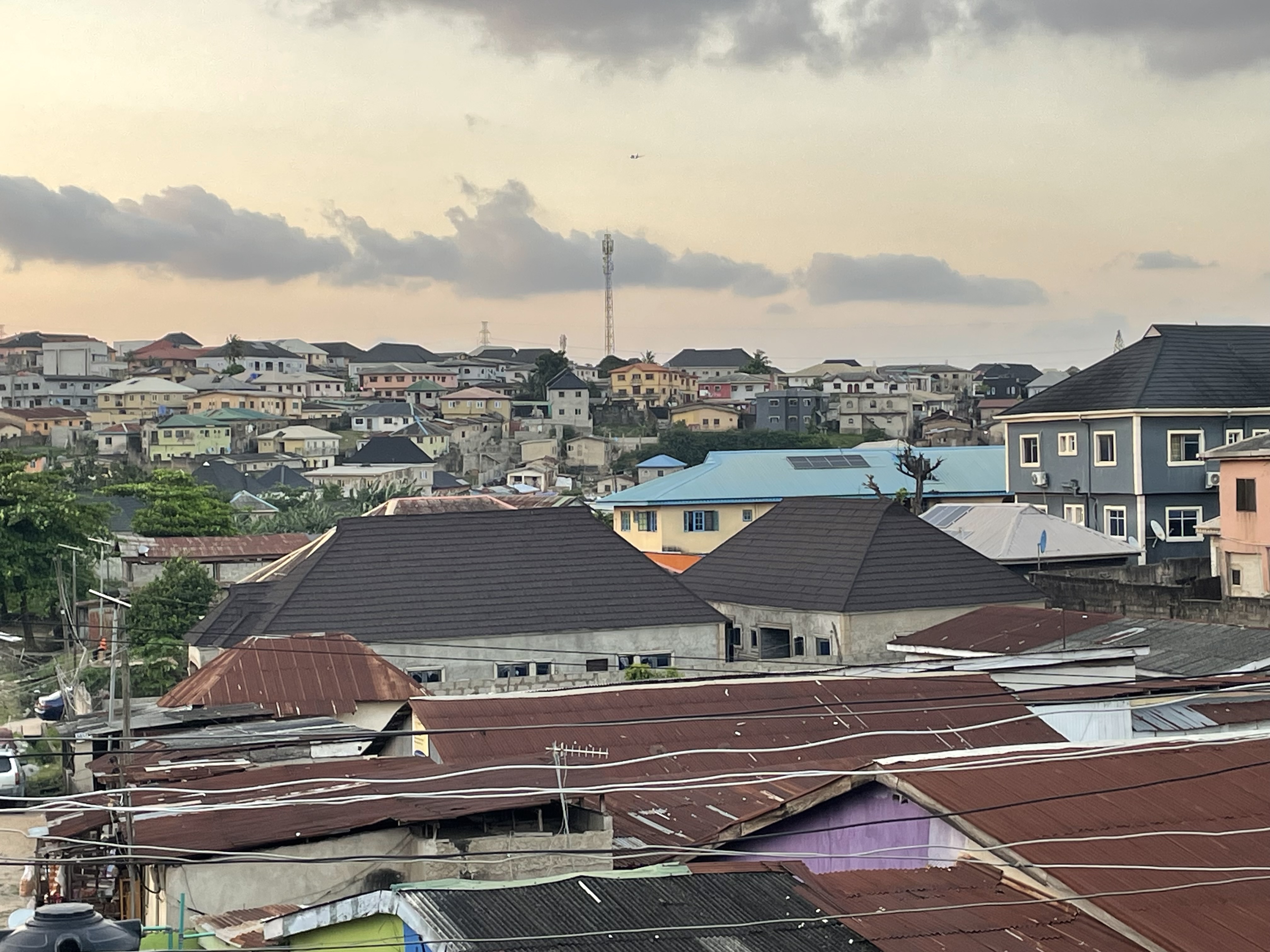
In parts of Ejigbo, Lagos, properties previously rented for ₦500,000–₦700,000 annually are reportedly being offered for between ₦2.5 million and ₦5 million.
In Surulere, a two-bedroom apartment can cost approximately ₦5 million annually, compared with ₦1.5 million–₦2.5 million for similar accommodation in Abule Egba.
Data from Nigeria Property Centre’s September 2026 Rent Index place the median advertised annual rent for one-bedroom properties in Lagos at ₦3.7 million, based on 5,187 listings.
However, these are asking prices, not necessarily the amounts tenants eventually pay. Online listings may also overrepresent more expensive properties.
The affordability problem becomes clearer when compared with incomes.
According to housing research presented by GTI Investment Group, rents in some Lagos neighbourhoods rose by 80–120% over two years, while wage growth was estimated at just 7–9%.
The gap means even workers whose salaries have increased may be less able to afford accommodation than before.
Why moving farther away doesn’t always save money
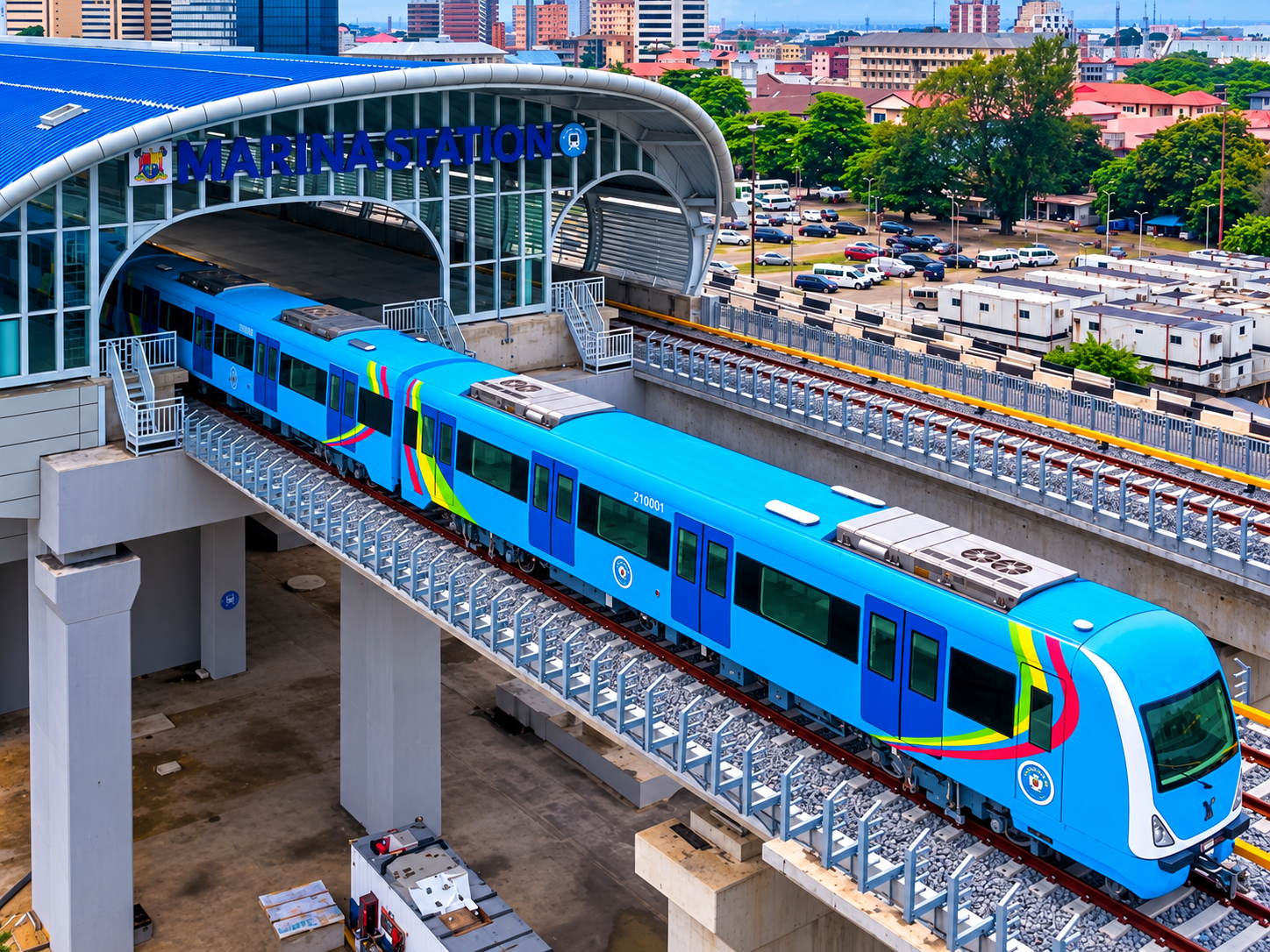
For many workers, cheaper accommodation now means living in communities such as Ikorodu, Badagry, Ipaja or Ibeju-Lekki while travelling to employment centres elsewhere in Lagos.
The problem is that transportation becomes another major household expense.
The Guardian calculated that a worker spending ₦2,000–₦2,500 daily on transportation for 22 working days could spend ₦44,000–₦55,000 monthly.
Consider someone who saves ₦700,000 annually by relocating but incurs an additional ₦35,000–₦50,000 in monthly transport costs.
That amounts to an extra ₦420,000–₦600,000 a year, leaving only ₦100,000–₦280,000 of the original rental savings.
This is an illustrative calculation, not a nationwide average.
Longer journeys also mean less time for family, rest and other activities.
Why are landlords increasing rents?
The problem is not entirely explained by landlords seeking higher profits.
Construction costs have increased significantly because of expensive building materials, energy, transportation, land and financing.
Developers also face planning approval fees and the cost of providing infrastructure such as roads, drainage and electricity in areas where public services are inadequate.
However, property experts argue that speculative investment also contributes to the problem.
Deji Akinpelu, co-founder of Rethinking Cities, told The Guardian that housing in Lagos is increasingly treated as an investment whose value is disconnected from residents’ earning capacity.
This helps explain why accommodation may remain expensive even where local incomes cannot support the prices.
Nigeria’s housing shortage makes the problem worse
The Federal Ministry of Housing and Urban Development estimates that Nigeria had approximately 15 million inadequate housing units in 2025.
That figure reflects a broader housing deficit, including inadequate accommodation, rather than simply the number of new houses required.
Limited affordable housing near major employment centres gives tenants fewer alternatives when landlords increase rents.
The Federal Government has introduced housing programmes and mortgage-financing initiatives, but many focus on homeownership.
For households unable to qualify for mortgages or afford deposits, these programmes may offer little immediate relief from rising rents.
What is the government doing?
In May 2026, Lagos State announced a proposed tenancy law intended to address arbitrary rent increases, excessive agency charges and fraudulent property transactions.
The proposed legislation was before the Lagos State House of Assembly at the time of the announcement. Its enactment has not been independently confirmed.
The Federal Government has separately proposed a national rent registry and stronger regulation of large-scale landlords.
Housing experts argue that these measures must be accompanied by more affordable rental properties, better transportation and infrastructure investment.
What this means
For people searching for accommodation, affordability now involves more than the annual rent.
Transport expenses, agency charges, electricity, water and the time required to reach work all contribute to the real cost of living somewhere.
For government, the challenge is equally broad: building houses without improving transportation and access to jobs may simply shift the financial burden.
The housing crisis is no longer just about how much Nigerians pay for a home. It is also about how much they must sacrifice to live near the opportunities that sustain them.