The offer opened on October 9 and is scheduled to close on October 16, 2026.
It forms part of the state government’s ₦1 trillion Debt and Hybrid Instruments Issuance Programme, designed to raise money for public infrastructure.
A government bond allows the state to borrow money from investors and repay it over an agreed period, with interest.
According to the published offer details, the latest bond will run for 10 years, with an indicative annual interest rate of 16.50% to 16.75%.
The final rate will be determined after investors submit their bids.
Where will the ₦200 billion go?
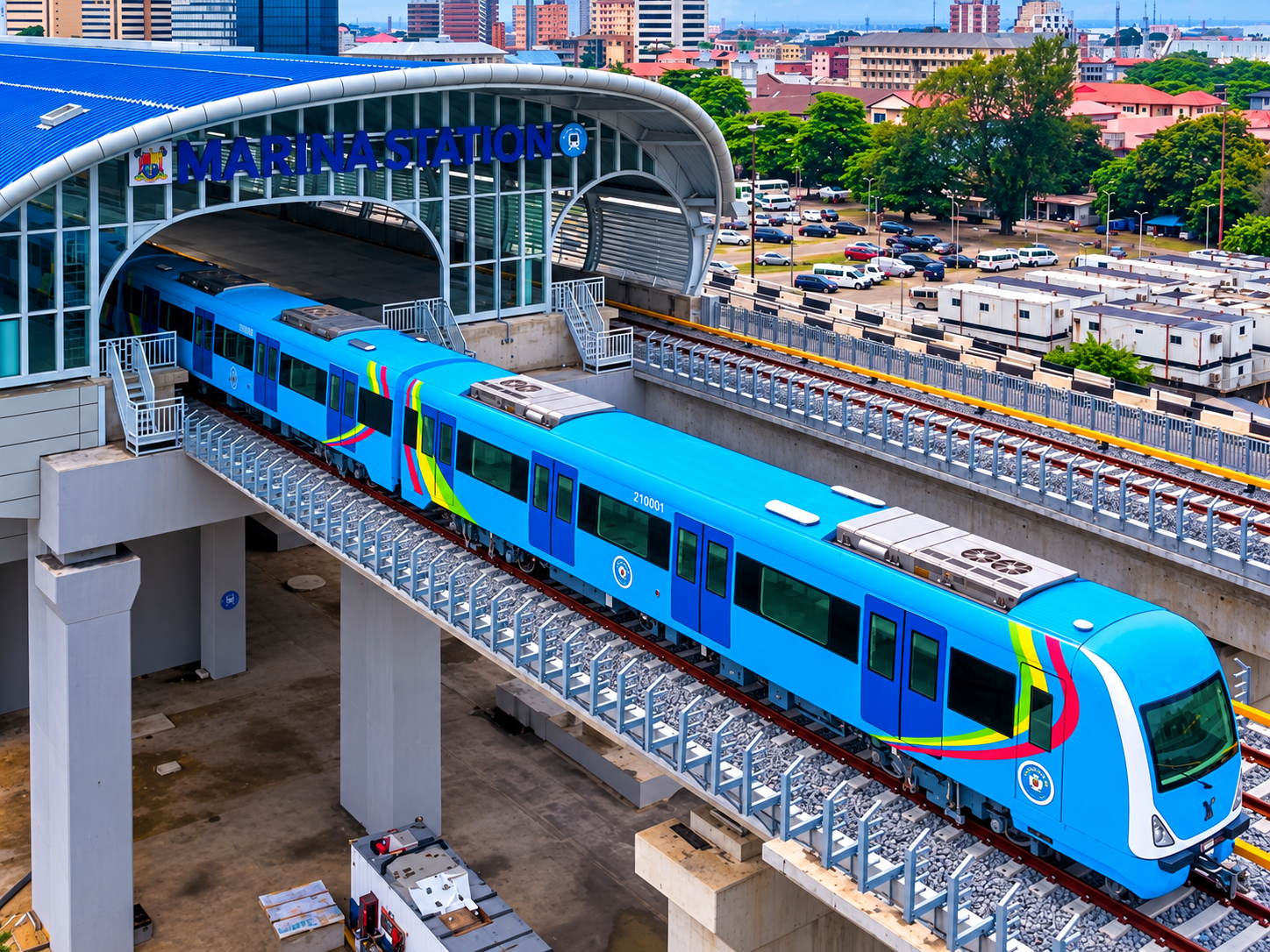
The largest allocation is for the Lagos Blue Line rail extension, which will receive approximately ₦122.16 billion, representing 61.1% of the proposed borrowing.
The money will support construction between Mile 2 and Trade Fair, including new stations at Festac, Alakija and Trade Fair.
Another ₦48.87 billion has been earmarked for healthcare projects, including the New Massey Children’s Hospital and a proposed 280-bed general hospital in Ojo.
The Omu Creek road and bridge project will receive approximately ₦24.43 billion. The project involves a 3.915-kilometre road and a 600-metre bridge.
The remaining ₦4.54 billion is estimated to cover costs associated with issuing the bond.
These allocations are proposals based on the full ₦200 billion offer. Actual spending will depend on how much the government raises.
How will Lagos repay the money?
The state plans to pay investors interest twice yearly.
Principal repayments will begin after a three-year waiting period and continue every six months until the bond matures in 2036.
The proposed repayment arrangements include funds from Lagos State’s revenue and deductions from its federal allocations.
The offer’s indicative credit rating is Aa with a Stable outlook from Agusto & Co., whose official ratings register identifies Lagos State’s proposed ₦200 billion bond.
However, a credit rating does not eliminate the risk associated with borrowing.
Lagos already has significant debt
The state’s public debt reportedly reached ₦3.07 trillion at the end of 2025, with foreign-currency loans accounting for approximately ₦1.91 trillion.
The new bond would add to Lagos’ borrowing obligations.
Although Lagos has a relatively large revenue base, future repayments will compete with other government spending needs.
The state previously raised ₦244.82 billion through conventional and green bonds in November 2025.
Lagos State’s Debt Management Office maintains records of its earlier bond programmes.
What this means for Lagos residents
The projects could improve transport connections, expand access to healthcare and reduce travel difficulties in parts of Lagos.
But raising ₦200 billion does not mean the projects are already completed or that the entire amount has been received.
For residents, the important questions are how much the state eventually raises, whether the money reaches the promised projects and when those projects become available for public use.
The government will also need to demonstrate that the benefits justify the additional debt and future repayment costs.