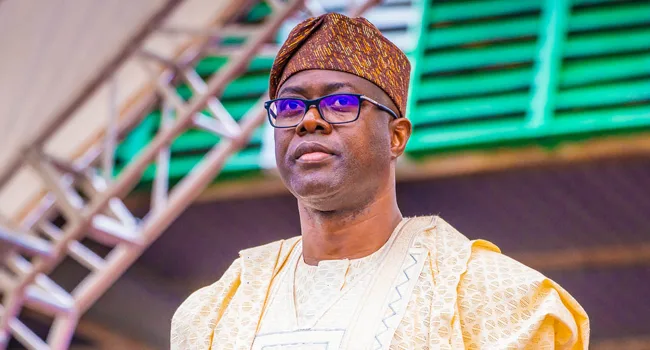
Oyo State Governor Seyi Makinde says the Federal Government has failed to release billions of naira in gas revenue owed to states and local governments. The Presidency denies the allegation, but questions remain about how the money was distributed.
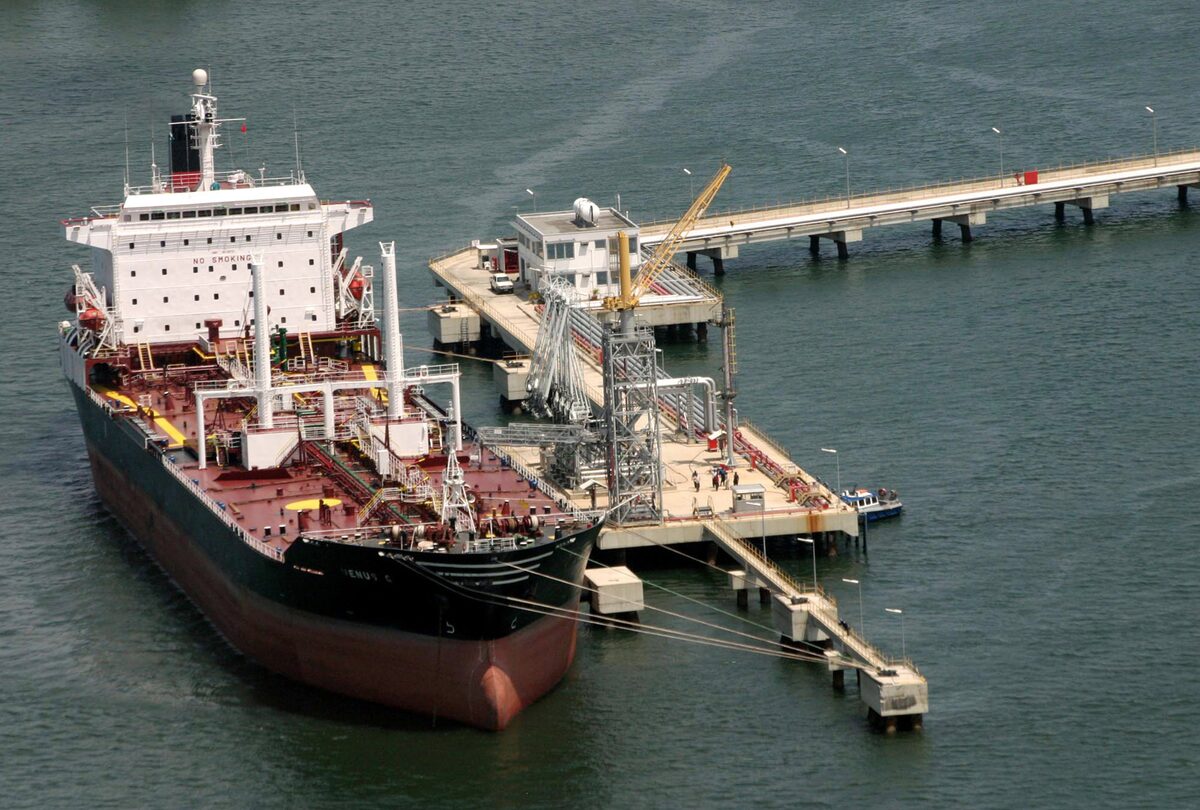
The dispute concerns dividends paid by Nigeria LNG Limited (NLNG), a major natural gas company partly owned by the Nigerian government through NNPC Limited.
Makinde first raised the allegation during Oyo State’s 2027 budget consultation in Ibadan on Friday, October 16, claiming that each of Nigeria’s 36 states was entitled to approximately ₦250 billion.
He alleged that the Federal Government had already spent the money and would not release the states’ shares until after the 2027 general elections.
Why does Makinde say states are owed ₦9 trillion?
In a statement issued on October 18, Makinde’s media adviser, Sulaimon Olanrewaju, said the Nigeria Governors’ Forum (NGF) had commissioned a reconciliation of NLNG dividend payments with the Federal Government’s support.
According to him, the exercise identified a shortfall of approximately ₦9 trillion owed collectively to states and local governments.
He also claimed that the Federal Government had accepted the findings.
However, the reconciliation report has not been publicly released, making it impossible to independently confirm the alleged shortfall.
What is the Presidency saying?
President Bola Tinubu’s spokesperson, Bayo Onanuga, rejected the allegation in an official statement on October 18.
He argued that paying ₦250 billion to each of Nigeria’s 36 states would require ₦9 trillion for states alone, excluding the Federal Government and local councils.
Under the Federation Account Allocation Committee (FAAC) sharing formula cited by the Presidency, states receive 26.72% of distributable Federation Account revenue.
Onanuga calculated that a single ₦9 trillion payout to states would require total NLNG dividends exceeding ₦33.68 trillion.
He said NLNG had paid approximately $21.5 billion in dividends to the Nigerian government over 25 years, including less than $3 billion since Tinubu took office.
The Presidency therefore described Makinde’s figures as financially implausible.
But where did the dividend payments go?
Makinde responded by asking the government to explain how the nearly $3 billion received under Tinubu’s administration was distributed.
His position is that the dispute concerns an accumulated shortfall identified through a reconciliation exercise, rather than necessarily one exceptionally large dividend payment.
That distinction matters because the Presidency’s response focused largely on the impossibility of a single payout of the amount Makinde cited.
Neither side has publicly provided a complete reconciliation showing the dividends received, amounts distributed and any outstanding balances.
What this means
Revenue shared through the Federation Account helps fund public services across federal, state and local governments.
If money legally owed to states has been withheld, that could affect their ability to fund infrastructure and essential services. But Makinde’s allegation has not been independently established.
The most important question is not which politician wins the argument. It is whether the government can publish a complete account of the gas dividends received, distributed and still outstanding.