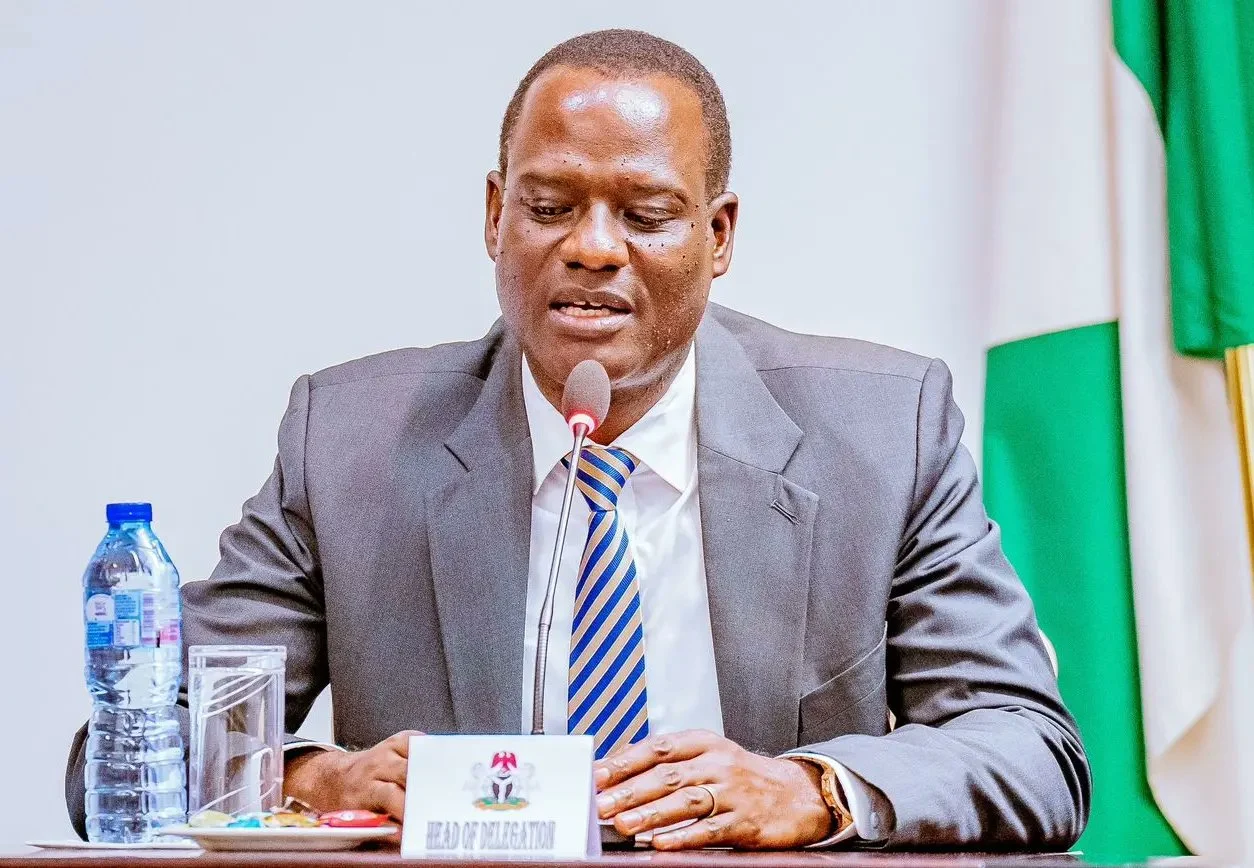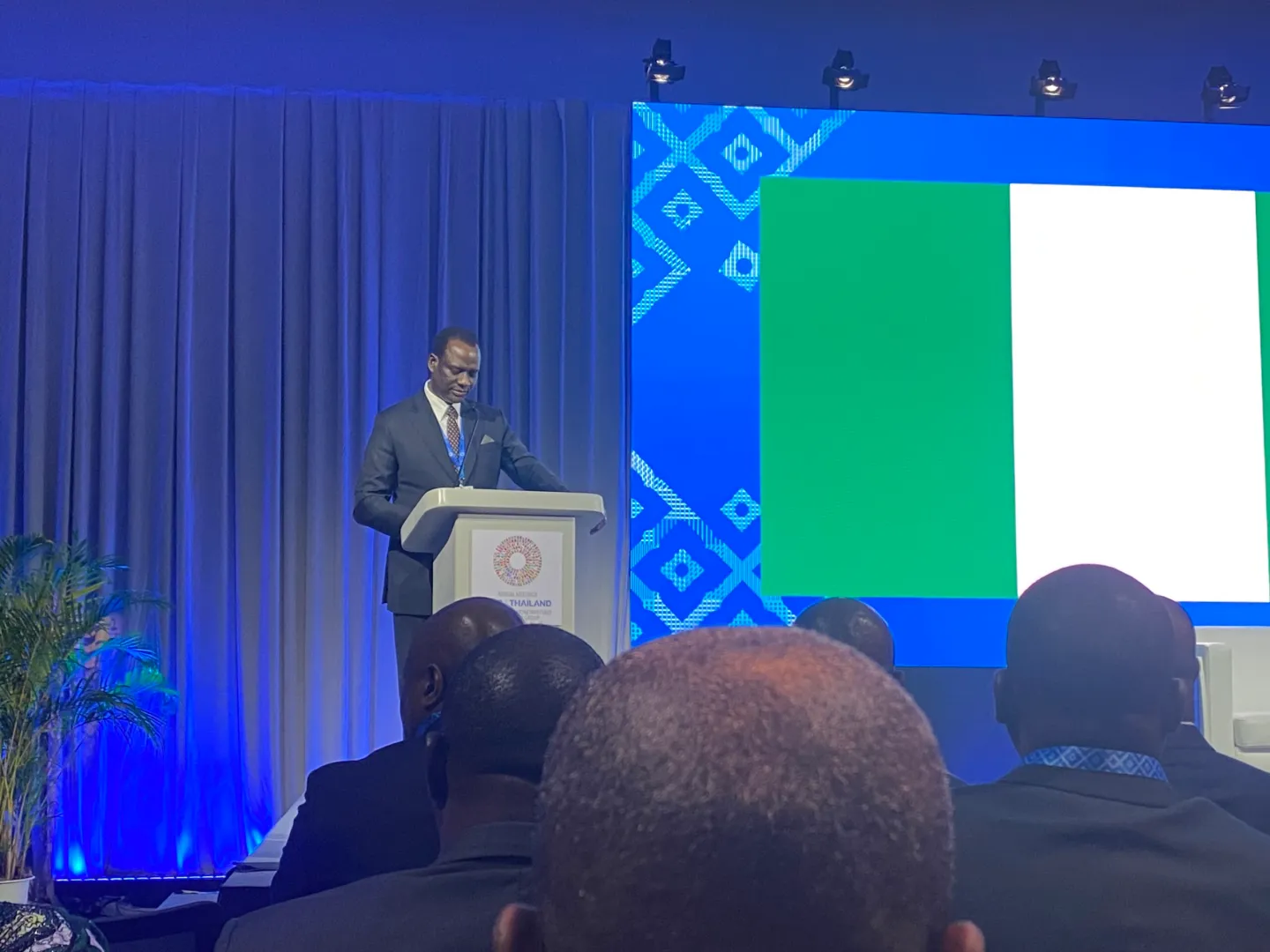
Minister of Finance and Coordinating Minister of the Economy, Taiwo Oyedele, announced the government’s position on Saturday, October 17, 2026, during a briefing at the annual meetings of the International Monetary Fund (IMF) and World Bank in Bangkok, Thailand.
According to TheCable, Oyedele said the government would maintain the economic reforms introduced under President Bola Tinubu.
Why is the government refusing to restore subsidies?
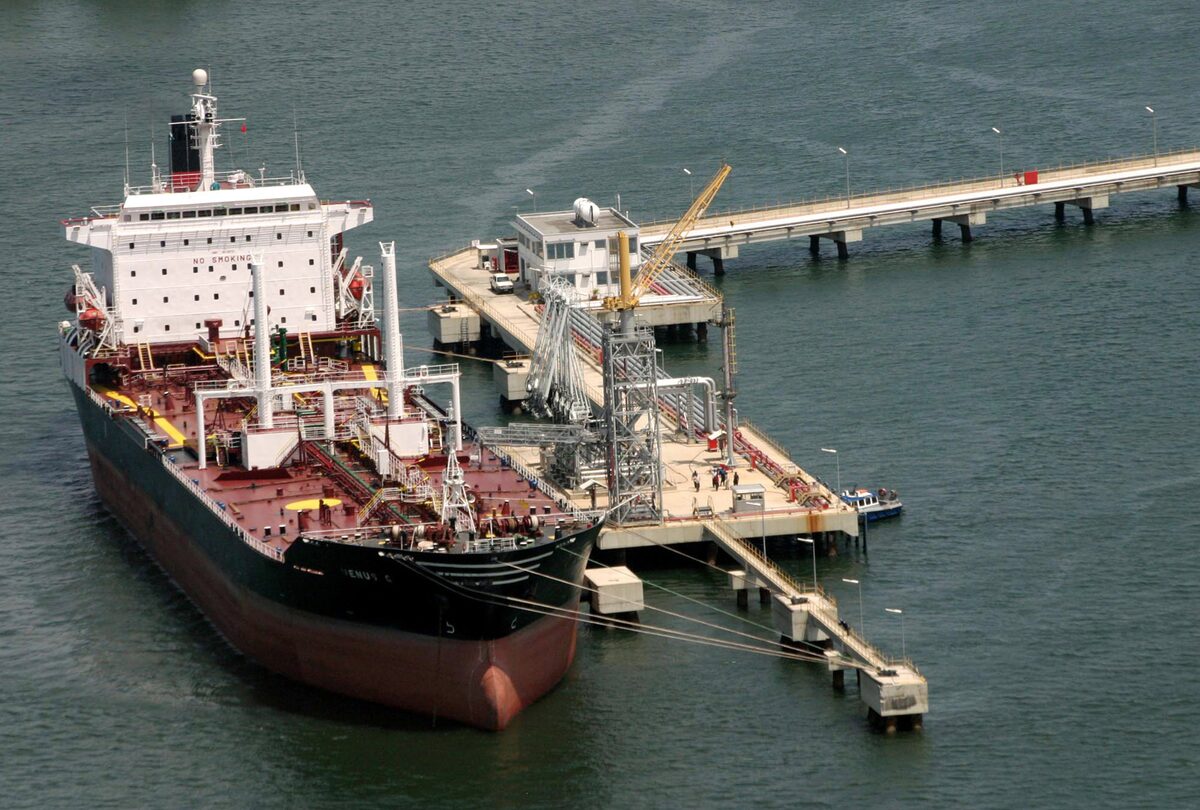
Before May 2023, the government spent public funds keeping petrol prices below what they might otherwise have cost.
Tinubu removed the subsidy shortly after assuming office, arguing that the arrangement was too expensive to maintain.
Since then, higher petrol prices have increased transportation and business costs, contributing to financial pressure on households.
Oyedele acknowledged these difficulties but argued that returning to subsidies could weaken investor confidence and put additional pressure on the naira.
He said investors and international financial institutions had repeatedly sought assurances that Nigeria would not reverse its reforms, particularly ahead of the 2027 elections.
What about the recent petrol price reduction?
The government recently announced a 30-day petrol retail margin discount through the Nigerian National Petroleum Company (NNPC) Limited.
Oyedele explained that this was a temporary commercial decision by NNPC to reduce its profit margin on petrol sales, rather than a subsidy financed directly with government funds.
In an earlier official statement, the Federal Government outlined other measures intended to ease energy costs, including local refining, tax waivers and expanded use of compressed natural gas.
However, these measures do not guarantee a permanent reduction in petrol prices.
Why won’t Nigeria return to multiple exchange rates?
Previously, different categories of foreign exchange transactions could receive different official exchange rates.
This created opportunities for some businesses and individuals to access dollars more cheaply than others.
The Central Bank of Nigeria (CBN) subsequently unified the foreign exchange market, moving towards a system where exchange rates are determined largely by demand and supply.
The government argues that maintaining this system will improve transparency and make Nigeria more attractive to investors.
Government targets 7% economic growth
Oyedele also said Nigeria was targeting 7% economic growth, above the IMF’s projected 4.2% for 2026.
He acknowledged that achieving faster growth would require lower inflation, cheaper financing and improvements in sectors capable of creating jobs.
The 7% figure remains a government target, not an independently established forecast.
What this means for Nigerians
The announcement means Nigerians should not expect a return to the former nationwide petrol subsidy or preferential official exchange rates under the government’s current policy.
Petrol prices will remain exposed to changes in production costs, international energy markets and the naira’s value.
The government’s challenge is now to demonstrate that keeping these reforms will produce affordable transportation, more jobs and meaningful improvements in household finances.