Electricity generation dropped from approximately 3,840 megawatts (MW) at 7 a.m. to just 476.70MW by 1 p.m., representing an 87.6% decline within six hours.
Data reported from the NISO (Nigerian Independent System Operator) generation monitoring platform showed that the sharp decline began around 12:40 p.m., leaving several parts of Nigeria with reduced electricity supply.
Major power stations, including Egbin, Jebba, Shiroro and Kainji, recorded zero output during the disruption. By 4 p.m., 29 of the 33 generating stations listed on the dashboard were reportedly producing no electricity.
The disruption affected households and businesses, while electricity distribution companies in Lagos and Abuja confirmed supply shortages.
What caused the sudden drop in electricity?
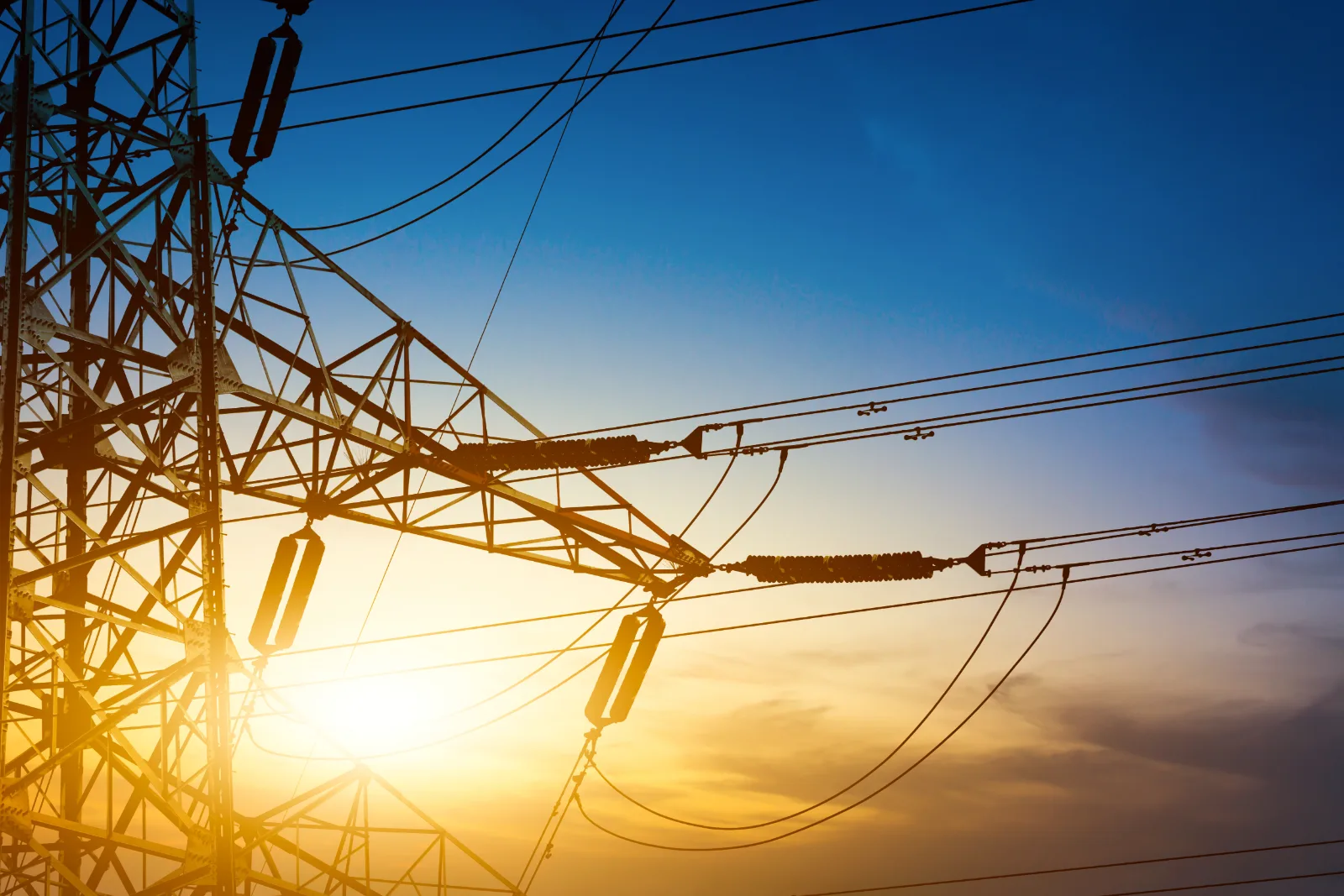
In an official statement on Monday evening, NISO attributed the disruption to multiple trippings on Nigeria’s 330-kilovolt transmission network.
This network carries large amounts of electricity from generating stations to transmission facilities, which then deliver power to distribution companies serving homes and businesses.
A trip occurs when protective equipment disconnects part of the electricity network, often to prevent equipment damage or wider instability.
NISO explained that the disturbance affected only a section of the national grid, rejecting claims that the entire system had collapsed.
The operator said it worked with TCN (Transmission Company of Nigeria) to restore normal operations.
However, its statement did not establish the precise technical fault responsible for the initial trippings.
Why electricity generation remained low despite restoration
Although NISO announced that the transmission system had been stabilised, electricity generation remained significantly below its earlier level.
According to The Guardian’s investigation, generation was still reported at approximately 567MW by 7 p.m. on Monday.
The report also identified an inconsistency in the dashboard readings at 4 p.m. The displayed total of 230.30MW did not match the combined output of the four stations reporting generation.
This means some reported figures require further reconciliation with the grid operator.
More importantly, restoring transmission stability does not necessarily mean that electricity generation or supply to consumers has fully recovered.
A transmission network can become technically stable while power plants are still restarting, reconnecting or increasing their output.
This distinction matters because households may continue experiencing outages even after an operator announces that the grid has returned to normal operation.
Why Nigeria’s electricity system remains vulnerable
Monday’s incident illustrates how disturbances in Nigeria’s interconnected electricity network can quickly affect power availability across multiple regions.
The problem is particularly significant because the country already generates considerably less electricity than the capacity installed at its power stations.
According to NERC (Nigerian Electricity Regulatory Commission), Nigeria had an average of approximately 4,758MW available for dispatch in August 2026, with roughly 4,102MW utilised.
These figures, published in the commission’s operational performance factsheet, show that the country was operating with limited available generation even before Monday’s disruption.
Nigeria’s electricity challenges also involve insufficient gas supply to some thermal power stations, transmission limitations, distribution network weaknesses and financial difficulties across the sector.
Not all these problems caused Monday’s incident. However, together they help explain why electricity reliability remains difficult to sustain.
What the disruption means for households and businesses
For electricity consumers, the immediate consequence is reduced power supply.
Ikeja Electric attributed shorter electricity supply hours to a decline in power allocated from the national grid, while Abuja Electricity Distribution Company also reported grid-related interruptions.
Businesses dependent on refrigeration, manufacturing equipment and other electricity-powered operations may face additional expenses when forced to rely on alternative energy sources.
These costs can affect profitability, production and eventually consumer prices.
Households also face interruptions to daily activities and additional expenses for alternative electricity.
The incident raises another concern for customers paying higher service-based electricity tariffs.
Under NERC’s electricity tariff framework, Band A customers are expected to receive at least 20 hours of electricity daily. Prolonged supply shortages could affect compliance with these service commitments.
While NISO says the grid has been stabilised, the more important test is whether electricity generation and distribution have returned to dependable levels.
For Nigerians, the question is not simply whether the national grid has collapsed or recovered, but whether the electricity system can reliably deliver the power households and businesses need.