The international credit rating agency announced the decision on Friday, October 9, 2026.
A credit rating shows how likely a government is to repay money it borrows. Nigeria’s B rating means the country still faces serious repayment risks. The Positive outlook means Fitch believes Nigeria could receive a better rating in the future if its economic improvements continue.
The rating itself has not changed.
According to Fitch’s assessment, reported by Premium Times, the revised outlook reflects greater confidence in Nigeria’s monetary and foreign exchange policies.
Nigeria’s foreign reserves have increased
One of the biggest reasons for Fitch’s decision is the growth in Nigeria’s foreign exchange reserves.
The agency reported that gross reserves increased from $32 billion in April 2024 to $54.9 billion in September 2026.
These reserves help Nigeria pay for imports and meet foreign debt obligations.
Fitch attributed the increase to stronger export earnings, foreign investment, remittances and improvements in foreign exchange transactions.
The agency also noted that reforms have allowed the naira to respond more freely to market conditions.
The figures are detailed in Fitch’s assessment as reported by Nairametrics.
Fitch expects the economy to grow faster
Fitch projects that Nigeria’s economy will grow by 4.3% in 2026, compared with 4% in 2025.
It also expects average inflation to fall to 15.4% this year, although that remains much higher than the average for countries with similar ratings.
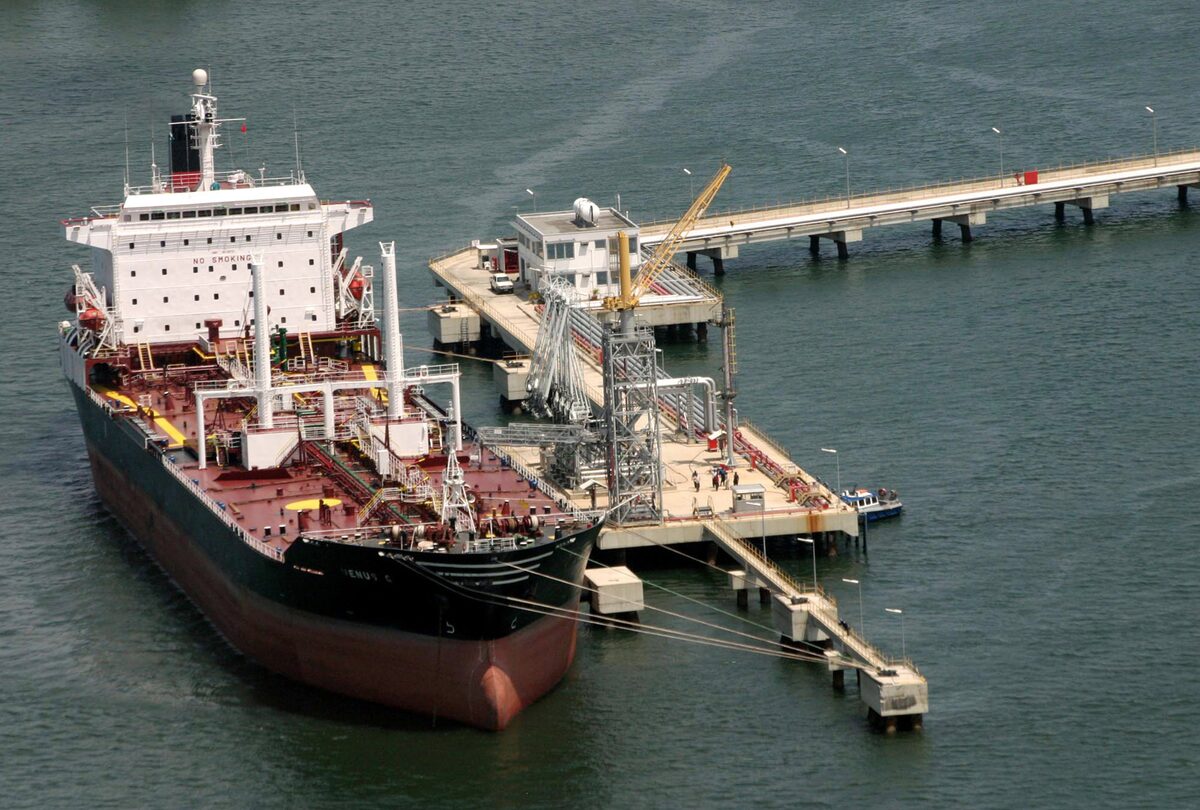
The agency identified increased crude oil production and local refining as other positive developments.
Nigeria’s growing refining capacity, especially at Dangote Refinery, could reduce the need to import petroleum products and ease pressure on foreign exchange.
However, Fitch’s projections are expectations, not guarantees.
Nigeria still spends too much on debt
Despite the improved outlook, Fitch warned that Nigeria still faces serious economic challenges.
It projects that government interest payments will take up an average of 27% of revenue between 2026 and 2028. The average for countries with similar ratings is 14%.
The Federal Government’s interest payments are expected to remain above 50% of its revenue.
Fitch also identified inflation, insecurity, dependence on oil and low government revenue as continuing weaknesses.
These challenges help explain why Nigeria’s rating remains at B despite the more favourable outlook.
What this means for Nigerians
A better economic outlook could make Nigeria more attractive to foreign investors. It may also eventually help the government and Nigerian businesses borrow money at lower costs.
However, it will not immediately reduce food prices, transport fares or household expenses.
Those improvements will depend on whether lower inflation, increased investment and economic growth lead to better incomes and public services.
For now, Fitch’s decision shows that Nigeria’s financial position may be improving, but it does not mean the country’s economic problems have been solved.