The Minister of Aviation and Aerospace Development, Festus Keyamo, has directed the Nigeria Civil Aviation Authority (NCAA) to notify domestic and international airlines of a temporary flight restriction affecting 46 people identified as contacts of Nigeria’s confirmed Ebola patient.
Keyamo announced the directive on Wednesday, October 21, 2026, after a virtual meeting with the Coordinating Minister of Health and Social Welfare, Muhammad Ali Pate.
According to the minister’s statement, reported by Premium Times, the restriction will remain in place for at least 21 days while health authorities monitor the individuals for possible infection.
The decision follows Nigeria’s confirmation of an imported Ebola case in Abuja on October 20.
Why 46 people are restricted from flying
The aviation minister explained that the affected individuals include 44 people who came into contact with the patient at a hospital after she developed symptoms, alongside two members of her domestic staff.
This provides a breakdown of the 46 people covered by the flight restriction.
When the government first confirmed the infection, health authorities announced that 44 contacts had been identified. The aviation directive now covers 46 individuals.
Being identified as a contact does not mean a person has Ebola. As of the announcement, authorities had not confirmed infections among the 46 people.
According to Keyamo, efforts were underway to isolate the individuals while public health teams continued their assessments.
The restriction is designed to prevent potentially exposed people from boarding aircraft during the period when symptoms could develop.
The World Health Organisation (WHO) explains that Ebola’s incubation period ranges from two to 21 days.
People exposed to the virus are generally monitored for 21 days after their last known exposure, allowing health workers to identify symptoms early and arrange appropriate testing and treatment.
Airports introduce stronger health checks
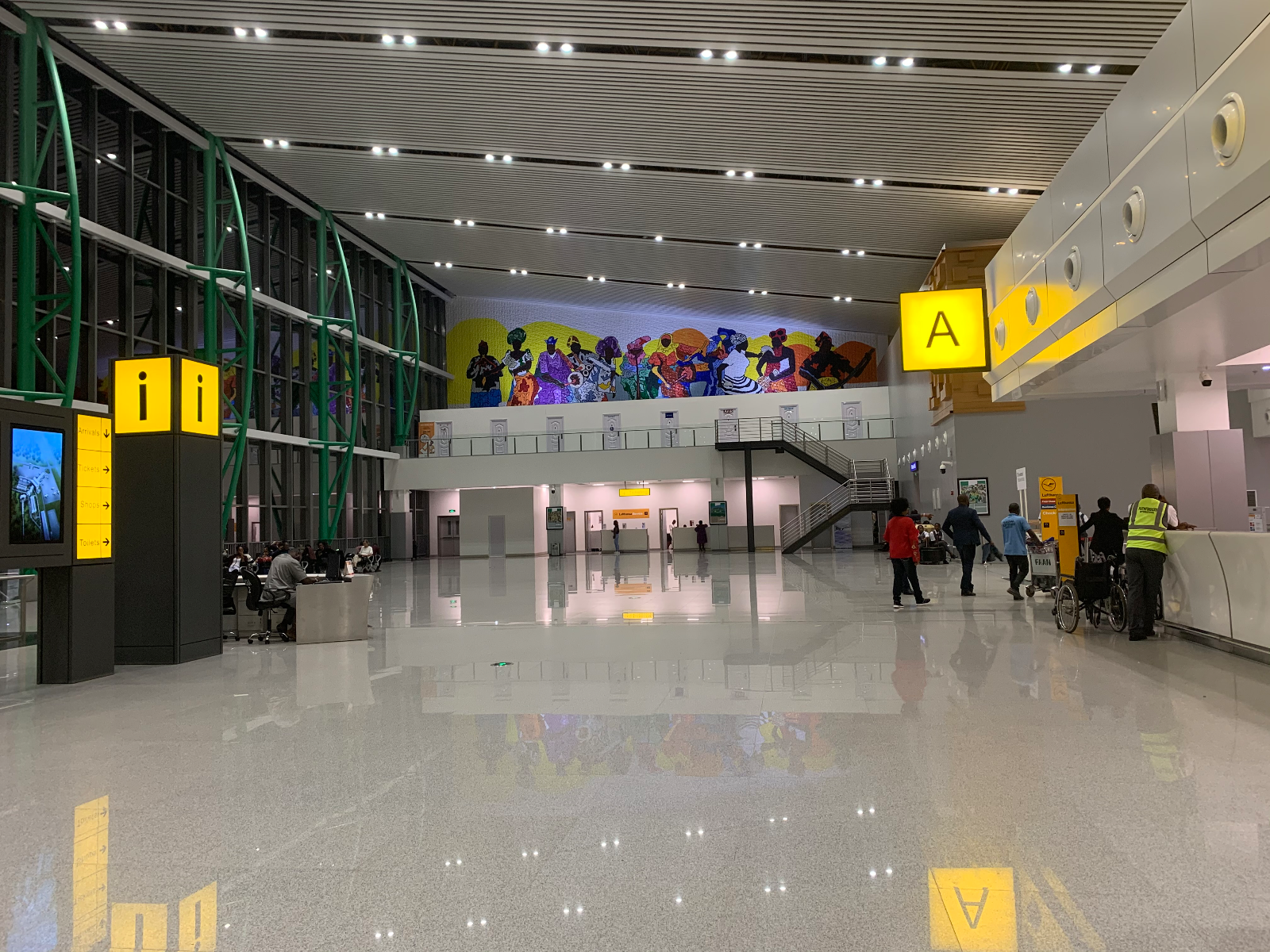
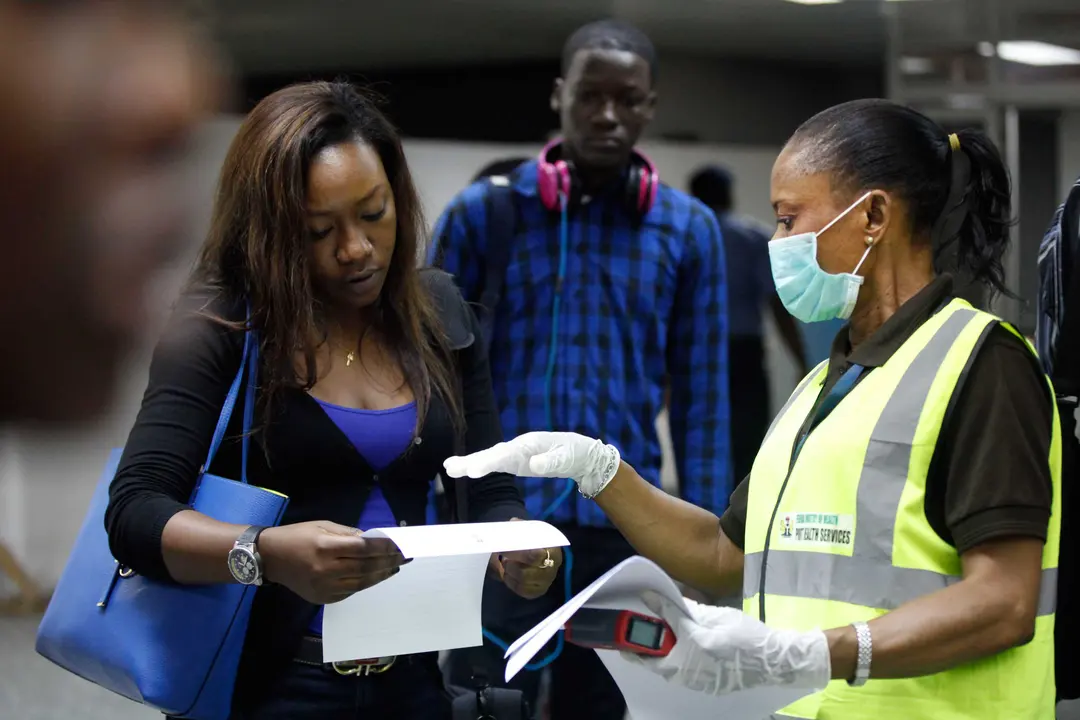
Alongside the flight restriction, Keyamo directed the Federal Airports Authority of Nigeria (FAAN) to strengthen surveillance across international airports.
The measures include enhanced passenger health screening, temperature checks, travel history monitoring and digital health declarations.
FAAN is also working with the Nigeria Centre for Disease Control and Prevention (NCDC) and other public health agencies to coordinate the response.
According to Channels Television, FAAN has assured passengers that airport operations will continue with additional health precautions.
The government has not announced a general suspension of domestic or international flights.
The restriction specifically concerns identified contacts of the patient, rather than all passengers travelling through Nigeria.
What authorities know about Nigeria’s Ebola case
The confirmed patient is a woman who arrived in Nigeria on October 3 after travelling through Uganda.
According to WHO’s October 20 announcement, she developed symptoms on October 7 and sought medical attention at a private hospital in Abuja on October 11.
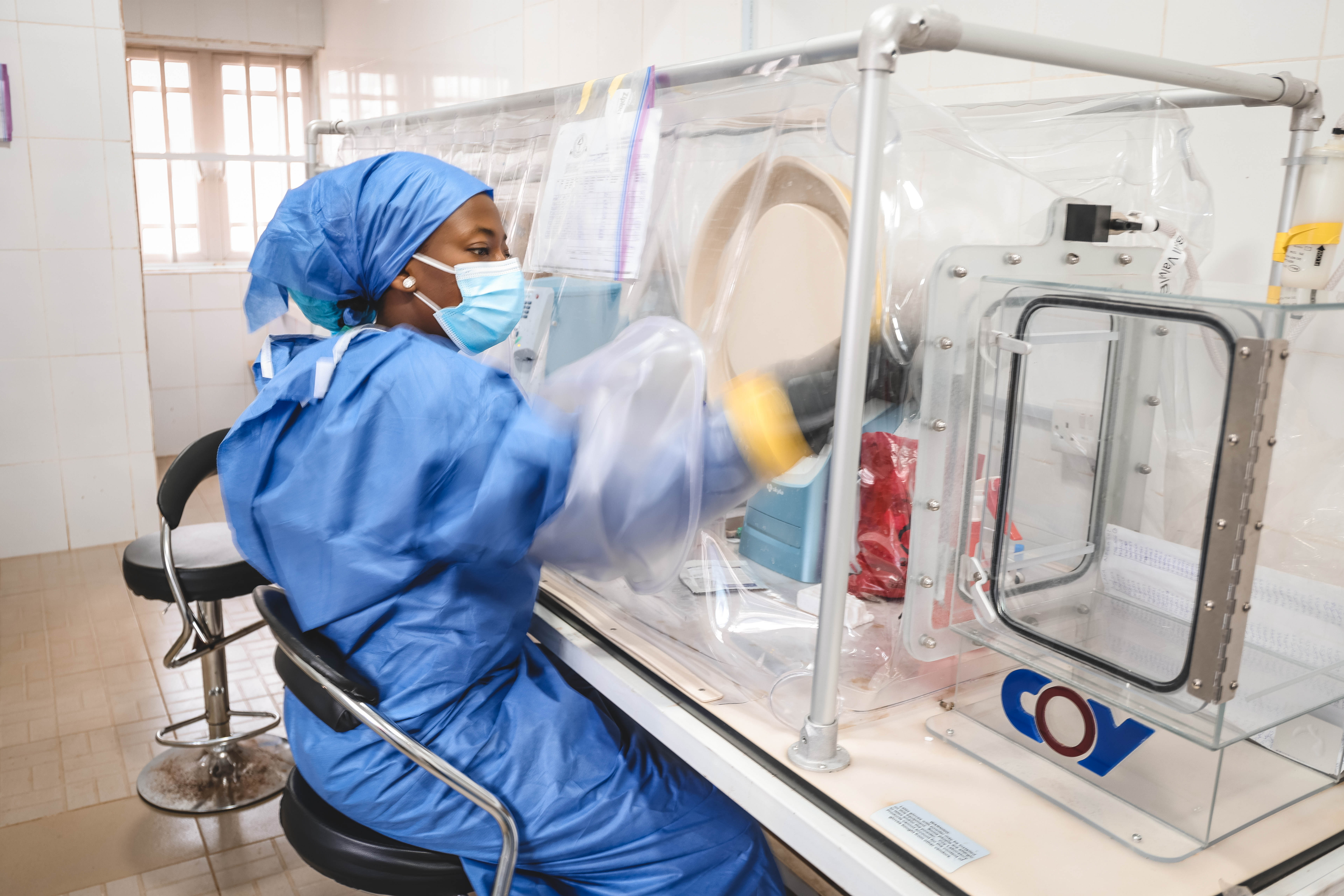
Laboratory testing confirmed Ebola caused by the Bundibugyo virus on October 20.
She was subsequently placed in isolation and was receiving medical care when the case was announced.
Investigations are continuing to establish where she contracted the infection and identify anyone else who may have been exposed.
The delay between the onset of symptoms and laboratory confirmation has made contact tracing particularly important.
Ebola spreads primarily through direct contact with the bodily fluids of infected people who have developed symptoms or through contaminated materials.
It does not spread from infected people before symptoms begin.
Nigeria’s response is taking place against the background of a wider Ebola outbreak that began in the Democratic Republic of the Congo in May 2026 and has since affected other countries.
Why the restriction matters
Air travel can make infectious disease investigations more complicated when potentially exposed individuals move between cities or countries before public health teams complete their assessments.
Restricting the identified contacts from flying gives authorities an opportunity to monitor their health and reduce the risk of transmission through further travel.
However, the measure will only be effective if monitoring continues and all people who may have been exposed are identified.
WHO also advises countries against broad restrictions on travel or trade with affected countries, emphasising surveillance, contact tracing and effective public health responses.
Nigeria’s current directive is more narrowly targeted at specific individuals identified during the investigation.
What this means for Nigerians
For most passengers, airports remain operational, although health checks may be more thorough.
Travellers should cooperate with health officials and provide accurate information when required.
People contacted by public health teams should follow official monitoring instructions and report concerning symptoms promptly.
The government must also ensure that the flight restriction is applied accurately and that affected individuals receive appropriate medical guidance.
Nigeria has confirmed one imported Ebola case, not 46 infections. The next 21 days of monitoring will be important in determining whether further transmission has occurred.