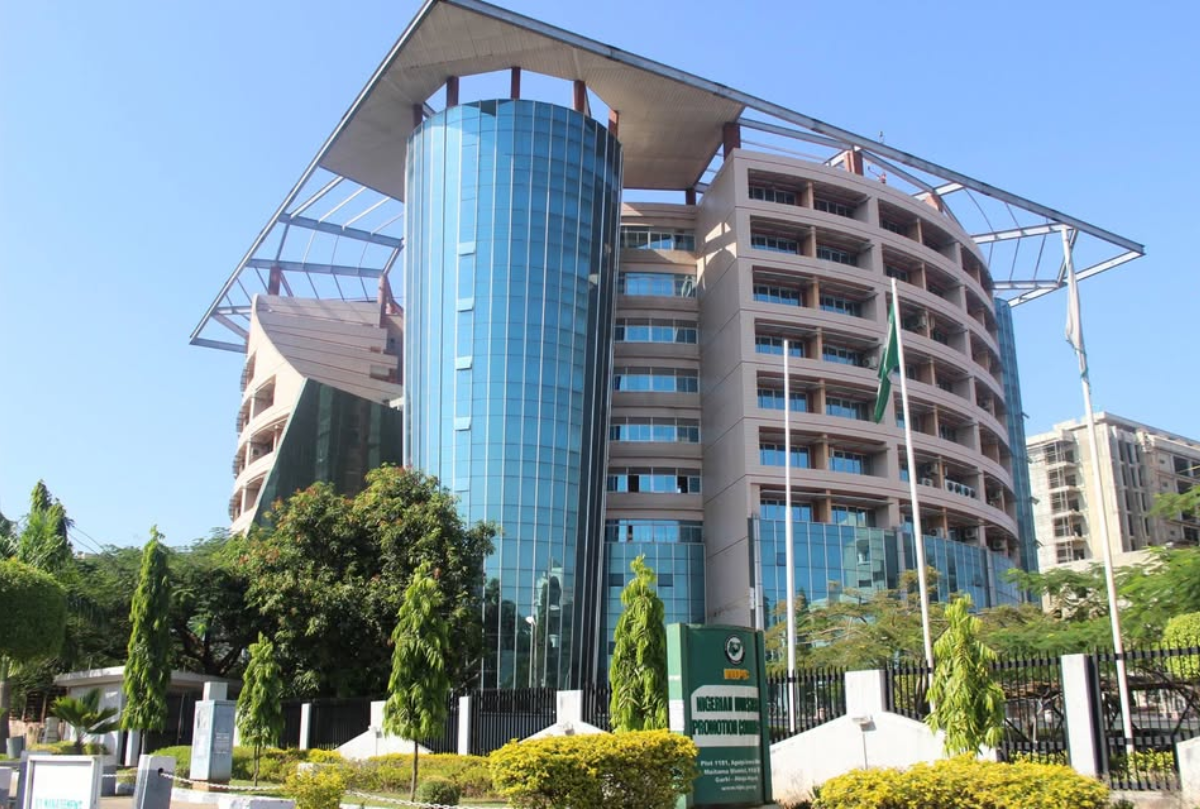
The Nigerian Communications Commission (NCC) has announced plans to expand its collaboration with the Central Bank of Nigeria (CBN) to strengthen the security of mobile phone numbers used for financial transactions and digital identification.
NCC Executive Vice Chairman Aminu Maida disclosed the plan at the 95th Telecom Consumer Parliament held in Lagos on Tuesday, October 20, 2026.
According to The Guardian, the commission intends to extend the Telecommunications Identity Risk Management System (TIRMS) to more sectors where telephone numbers are used to verify customers and access services.
The proposed expansion comes as Nigerians increasingly rely on mobile phone numbers for banking, payments, pensions and online transactions.
How recycled phone numbers can expose bank accounts
When a telephone number remains inactive for an extended period, a telecommunications company may eventually deactivate it and assign it to another customer.
This process is known as number recycling.
The problem arises when the previous owner’s bank accounts, payment applications or other online services remain linked to that telephone number.
For example, someone who receives a recycled number may begin receiving transaction alerts, verification messages or communications intended for its former owner.
If a digital service relies heavily on possession of the telephone number to verify identity, the situation could create opportunities for unauthorised account access.
The new owner of a recycled number is not automatically committing fraud. The security risk comes from outdated account information and weaknesses in identity verification.
According to the NCC’s official consumer guidance, these vulnerabilities also arise when SIM cards are replaced, swapped or linked to numbers previously flagged for suspicious activity.
What the verification system will do
TIRMS is designed to allow authorised organisations to check the current status of telephone numbers before relying on them for sensitive transactions.
The system can help identify whether a number has been reassigned, recently transferred to another SIM card, deactivated or flagged for potential fraud.
For financial institutions, such information could provide an additional security check when customers attempt to change account details, recover access or complete sensitive transactions.
The NCC introduced the framework earlier in 2026, while the CBN and NCC signed a memorandum of understanding in April to strengthen cooperation against digital fraud.
The April agreement identified the telecommunications identity system as an important tool for protecting financial services.
The latest announcement concerns expanding its use beyond the existing banking collaboration.
However, the NCC has not publicly identified every additional sector that will participate or provided a definitive timetable for the expanded implementation.
Why the regulators want broader protection
Telephone numbers now serve purposes far beyond making calls and sending messages.
They are commonly linked to bank accounts, pension records, online shopping profiles and other services that require identity verification.
As these services expand, problems affecting telephone numbers can create security risks across several institutions simultaneously.
Maida said broader access to verified telecommunications information would help organisations identify potentially compromised numbers before they are used to access customers’ accounts.
The commission’s plan also reflects the growing need for cooperation between telecommunications companies and financial institutions.
However, a risk-management database cannot prevent every form of digital fraud.
Its effectiveness will depend on accurate information from network operators, timely verification by participating organisations and adequate protection of customers’ personal data.
The framework must also distinguish legitimate SIM replacements from potentially suspicious changes to avoid unnecessarily disrupting customers’ access to essential services.
What this means for Nigerians
For bank customers, the proposed expansion could reduce the risk of someone gaining unauthorised access to an account through a recycled or compromised telephone number.
It could also make it easier for service providers to identify potentially suspicious changes before approving sensitive requests.
Customers can take precautions by keeping their registered telephone numbers active, reporting lost SIM cards promptly and updating their contact details whenever they change numbers.
They should also avoid sharing banking passwords, personal identification numbers or one-time verification codes with anyone.
The NCC advises consumers who receive financial messages intended for a previous owner of their number to contact the relevant institution.
The proposed expansion could strengthen the security of digital accounts, but its success will depend on how widely the system is adopted and whether institutions act on the risks it identifies.