The Presidential Working Group on the National Policing Bill has submitted the draft National Policing Bill, 2026, alongside 29 related amendment bills to the Federal Ministry of Justice.
The submission was made on October 19, 2026, and announced the following day by Femi Gbajabiamila, Chief of Staff to President Bola Tinubu and Chairman of the Working Group.
According to the official State House announcement, the Ministry of Justice will examine the proposed laws to ensure they meet legislative standards and do not conflict with existing legislation.
The ministry is expected to complete its review by October 30, 2026, after which the bills will return to the Working Group for final consideration before being presented to the President.
What the proposed policing system would change
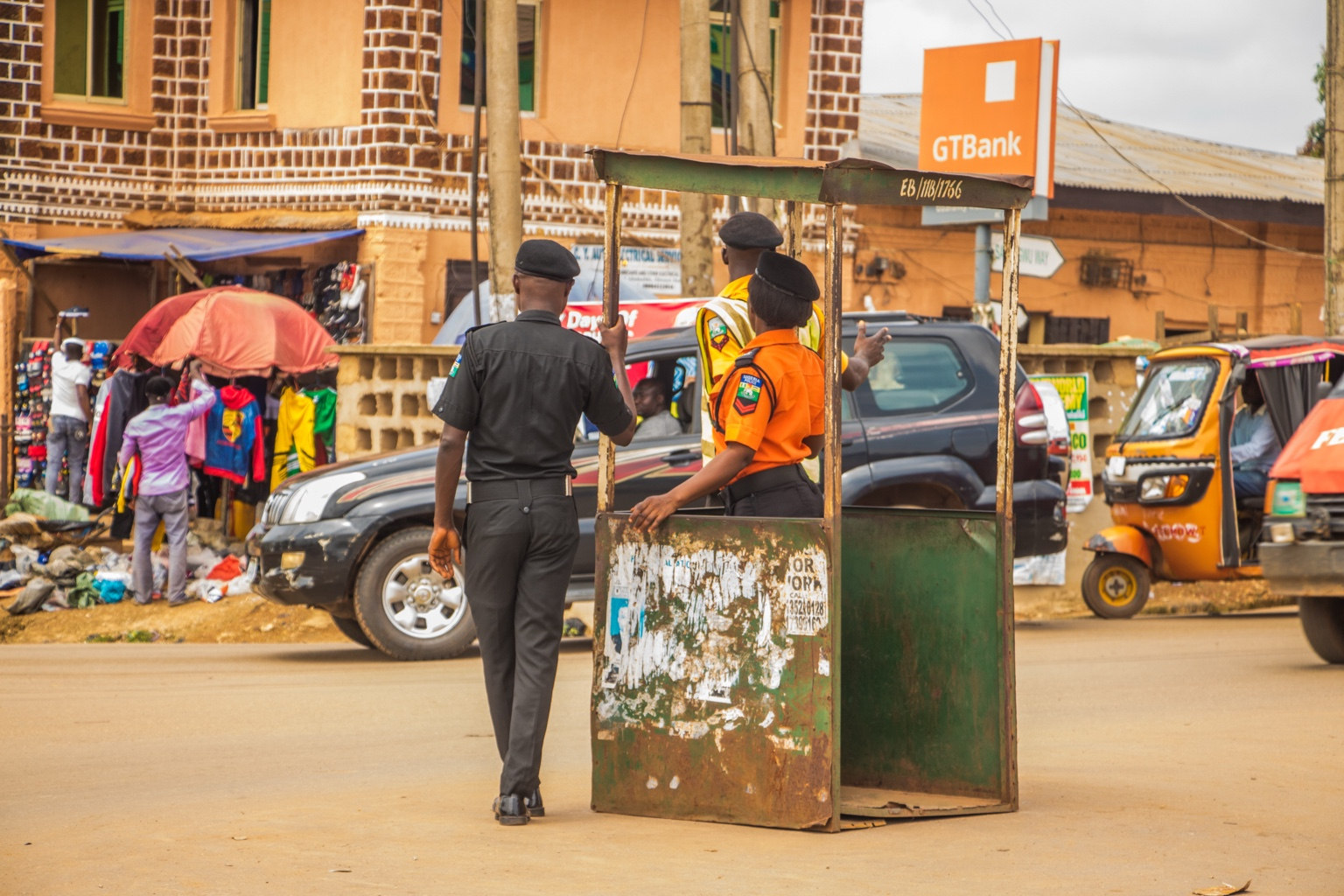
Nigeria currently operates a centralised police system, with the Nigeria Police Force responsible for policing across the 36 states and the Federal Capital Territory.
Although states fund and support various local security organisations, they do not have the constitutional authority to establish independent police services with the full powers of the Nigeria Police Force.
The proposed reform would introduce two levels of policing: a Federal Police Service and State Police Services.
Under this arrangement, states could establish their own police institutions to address local security challenges, while federal authorities would retain responsibility for matters assigned to federal policing.
The proposed constitutional framework assigns state police responsibilities relating to public safety, local law enforcement and crime prevention within their respective states.
Federal police would retain responsibilities involving federal laws, national security and offences with interstate or international dimensions.
The legislation would also need to establish clear procedures governing cooperation between the two systems.
However, the final details of the presidential Working Group’s 30 draft bills have not yet been publicly examined in full.
Why Nigeria is considering state police
The proposal follows years of debate over whether a centrally controlled police force can adequately address Nigeria’s security challenges.
States across the country face different forms of insecurity, including kidnapping, organised crime and attacks on rural communities.
Supporters of state policing argue that locally recruited and managed officers could better understand their communities, gather intelligence and respond more quickly to threats.
They also believe state governments should have greater authority over security operations within their territories.
Opponents have raised concerns that state governments could misuse police powers against political opponents, critics or vulnerable communities.
Other concerns include whether poorer states could adequately fund their police services and whether differences in training and oversight would affect professional standards.
These concerns make independent supervision, transparent recruitment and protection of citizens’ rights important questions for the proposed legislation.
Thirteen states have approved the constitutional amendment
The National Policing Bill is progressing alongside a separate constitutional amendment.
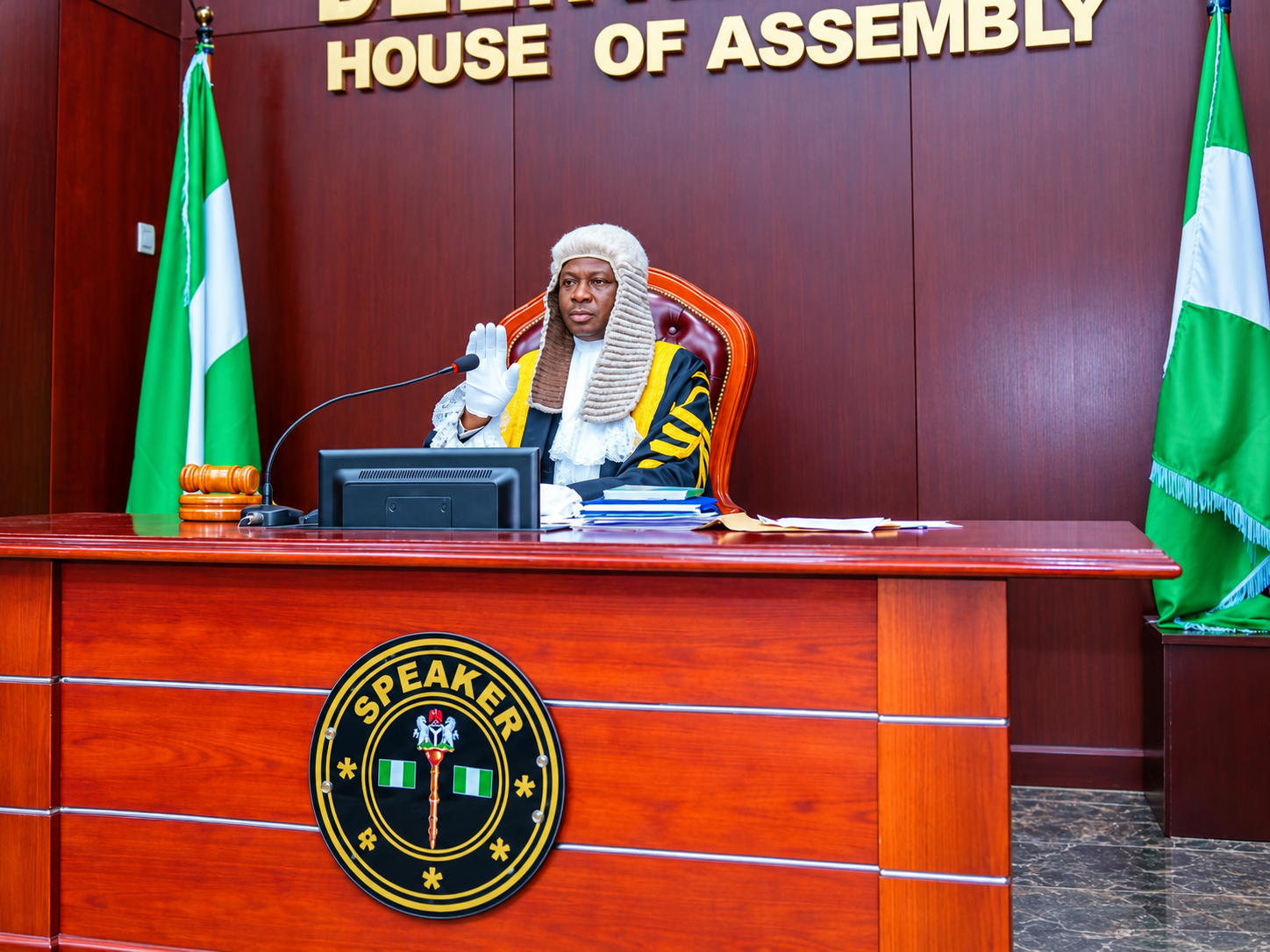
Under Section 9 of Nigeria’s Constitution, an ordinary constitutional alteration requires approval by at least two-thirds of the members of each chamber of the National Assembly and resolutions from at least two-thirds of the 36 state assemblies.
That means at least 24 states must approve the proposed constitutional change.
According to The Guardian’s October 21 report, the number of state assemblies supporting the amendment had reached 13.
Eight assemblies, including Kwara, Ogun, Delta, Plateau, Nasarawa, Taraba, Cross River and Enugu, approved the proposal during the latest round of deliberations.
They joined Edo, Osun, Oyo, Rivers and Zamfara, which had previously endorsed it.
With 13 approvals reported, the proposal still requires support from at least 11 additional state assemblies to reach the constitutional threshold.
The presidential Working Group says the constitutional alteration process must be completed before the National Policing Bill can proceed through its intended legislative route.
What happens next?
The immediate deadline is October 30, when the Ministry of Justice is expected to return the reviewed draft laws.
The Working Group will then consider the revisions and submit the proposals to President Tinubu.
The legislation will still require the appropriate legislative approvals before any new policing structure can become operational.
Even after approval, states would need to establish institutions, recruit and train officers, provide funding and put oversight systems in place.
No date has been announced for the commencement of state police operations.
What this means for Nigerians
If completed, the reform would represent one of the most significant changes to Nigeria’s policing structure in decades.
It could give state governments greater responsibility for protecting residents and responding to local security threats.
However, creating more police institutions does not automatically guarantee improved security.
The effectiveness of the proposed system will depend on clear jurisdictional boundaries, adequate funding, professional training and safeguards against political interference.
Nigeria has moved closer to creating state police, but the essential question remains whether the new system will make communities safer while protecting citizens from the misuse of police powers.