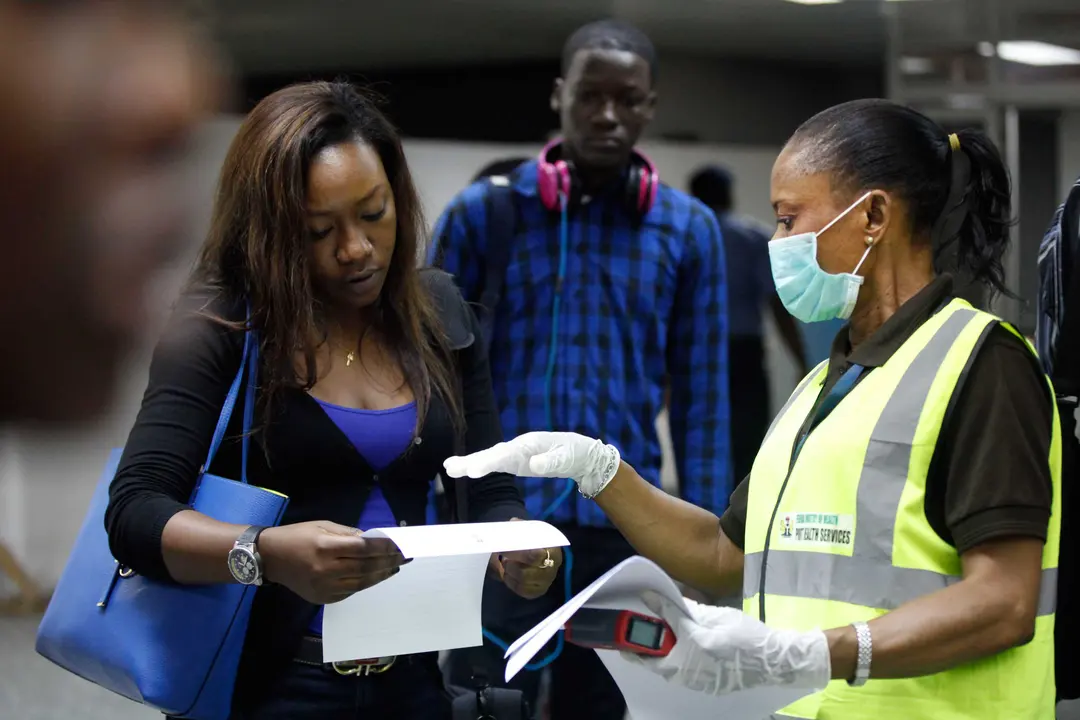
The Federal Airports Authority of Nigeria (FAAN) has announced increased vigilance across major airports following the confirmation of an Ebola infection in the Federal Capital Territory on Tuesday, October 20, 2026.
The development was announced by FAAN’s Director of Public Affairs and Consumer Protection, Henry Agbebire, who said the authority was working with the Nigeria Centre for Disease Control and Prevention (NCDC), Port Health Services and the Nigerian Civil Aviation Authority (NCAA).
According to BusinessDay, the agencies are coordinating health screening, surveillance and other preventive measures at Nigeria’s airports.
The announcement follows laboratory confirmation of the country’s first reported case of Ebola during the current regional outbreak.
What authorities know about the patient
The Federal Ministry of Health and Social Welfare confirmed that the patient is a woman who arrived in Nigeria after travelling through Uganda.
According to the World Health Organisation (WHO), she developed symptoms on October 7, four days after arriving in Nigeria.
She sought medical attention at a private hospital in Abuja on October 11, but the infection was not confirmed until October 20.
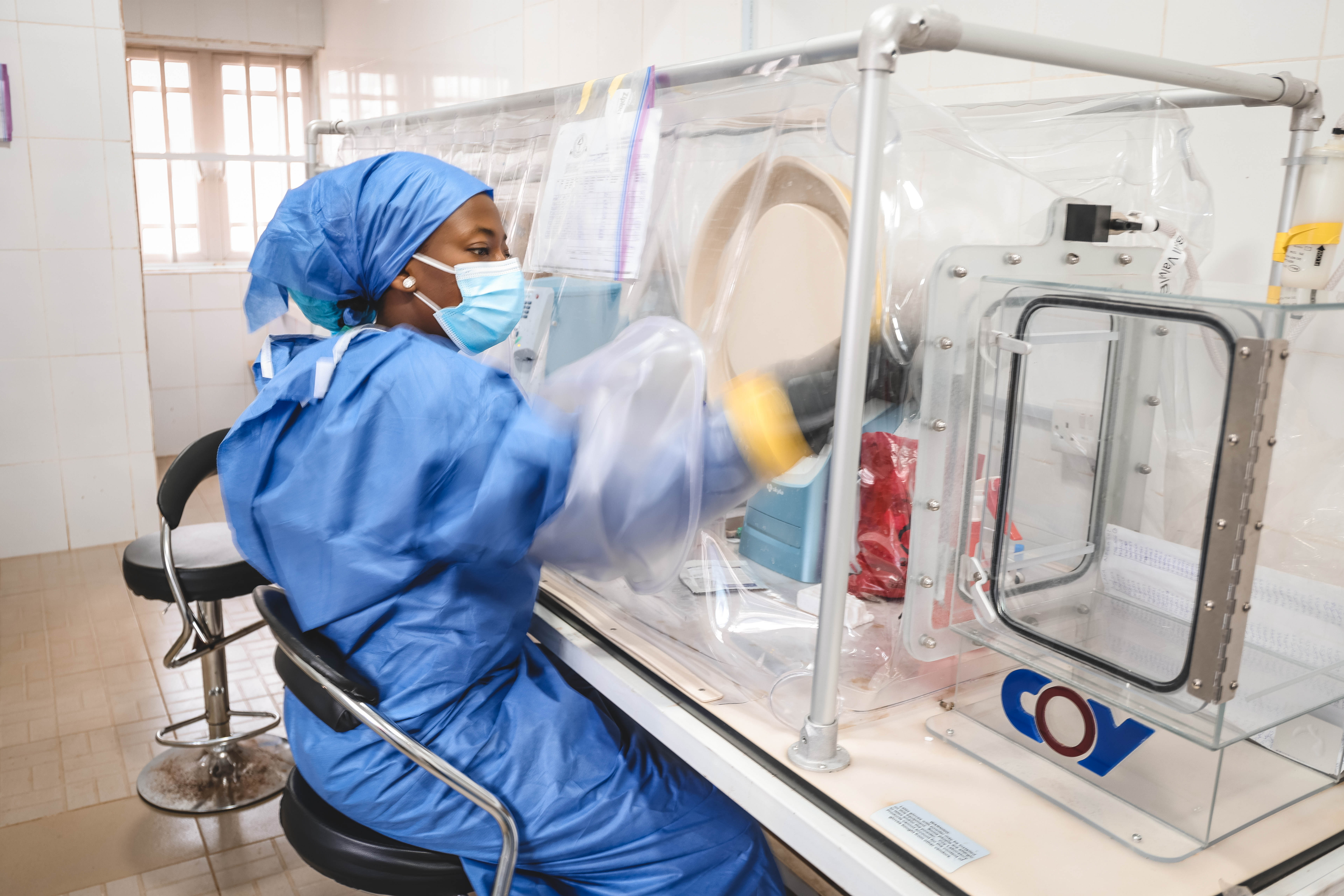
Laboratory testing identified the virus as Bundibugyo Ebola, the type responsible for an ongoing outbreak in the Democratic Republic of Congo.
The patient is currently isolated and receiving medical treatment.
Although Nigerian officials initially identified Uganda as her most recent travel origin, Ugandan authorities subsequently clarified that she had visited eastern Congo and only passed through Uganda.
The precise location where she contracted the infection remains under investigation.
This distinction matters because travelling through a country does not necessarily mean an infection originated there.
Why 44 people are being monitored
According to the Federal Ministry of Health, health officials have identified 44 people who may have been exposed to the patient.
They include healthcare workers, other patients, caregivers and people connected to her travel.
Contact tracing involves identifying and monitoring individuals who may have had close contact with an infected person.
The 44 contacts are not 44 confirmed Ebola cases. At the time of the official announcement, Nigeria had confirmed one infection.
The NCDC has activated its emergency response system, while the hospital where the woman initially received treatment is being supported to strengthen infection-prevention measures.
Health authorities are also investigating whether additional contacts need to be identified.
The period between the patient’s reported symptoms on October 7 and laboratory confirmation on October 20 makes thorough contact tracing especially important.
Airports and hospitals placed on heightened alert
FAAN says it is maintaining heightened vigilance across airport operations and coordinating further measures with public health authorities.
Passengers, airline operators and airport workers have been advised to follow screening guidelines and cooperate with health officials.
The announcement does not establish that flights have been suspended or that Nigerian airports are closed.
Beyond airports, the Federal Government has directed public and private hospitals to strengthen procedures for identifying and reporting suspected infections.
Healthcare workers have been urged to recognise possible cases promptly, apply appropriate infection-prevention measures and notify public health authorities.
WHO has also called for stronger surveillance at entry points and improved readiness across affected and neighbouring countries.
How Ebola spreads and why early detection matters
Ebola is a serious viral disease transmitted mainly through direct contact with the bodily fluids of a person who is infected and showing symptoms, or through contaminated materials.
According to WHO’s Ebola guidance, the disease does not spread from infected people before they develop symptoms.
Early symptoms may include fever, weakness, headaches and muscle pain. These can resemble other common illnesses, making timely medical assessment important.
Nigeria previously contained an Ebola outbreak in 2014 through contact tracing, isolation and coordinated public health measures.
The current situation is different, but those established response systems remain relevant.
What this means for Nigerians
The confirmation of one Ebola case does not mean Nigeria is experiencing widespread transmission.
However, the patient’s travel history and the delay before diagnosis demonstrate why airport surveillance, hospital preparedness and contact tracing are essential.
Travellers should cooperate with health screening and follow official guidance. Anyone who has been identified as a possible contact should follow instructions from public health teams.
Residents with possible exposure and concerning symptoms should contact health authorities for advice rather than relying on rumours.
Nigeria’s NCDC operates a public health information line on 6232.
The immediate priority is to identify everyone who may have been exposed, monitor their health and prevent one imported infection from becoming a wider outbreak.