The Anambra State Government announced the development on Monday, October 19, following confirmation of an infection linked to Omasi community in Ayamelum Local Government Area.
The affected patient is receiving treatment at the Federal Teaching Hospital in Abakaliki, neighbouring Ebonyi State.
Dr Afam Obidike, the state’s Commissioner for Health, disclosed the case during an emergency stakeholders’ meeting in Awka, where officials activated a coordinated response to prevent further infections.
According to Channels Television, the meeting involved representatives of WHO (World Health Organisation) and MSF (Médecins Sans Frontières), an international medical humanitarian organisation.
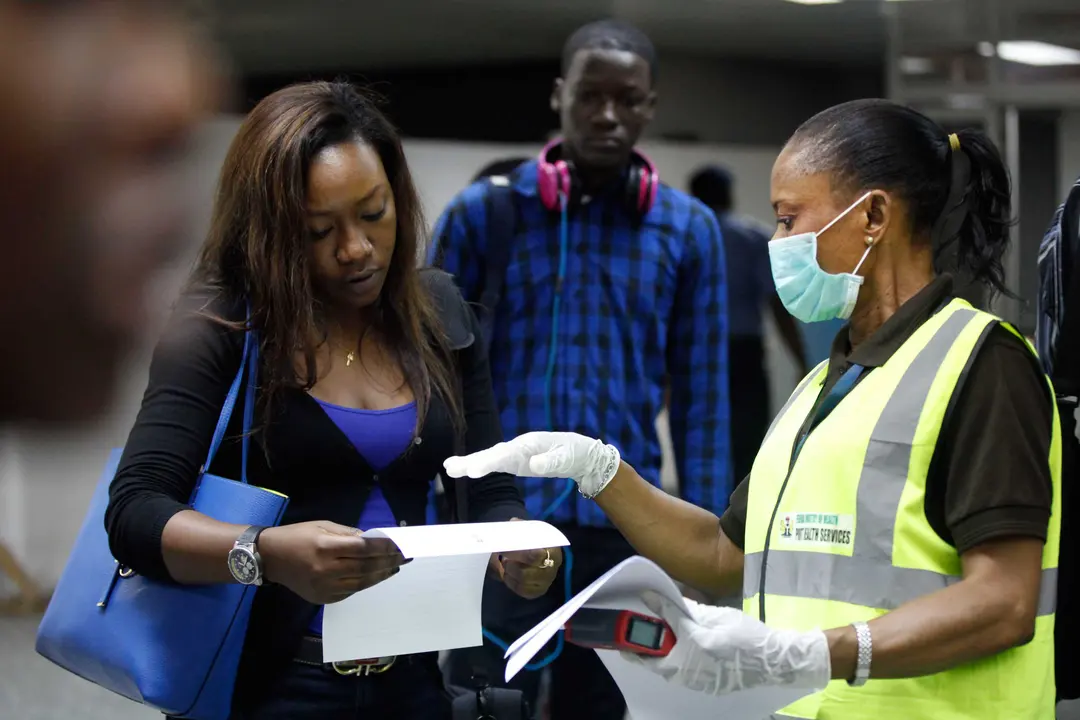
The state has activated its Incident Management System, intensified disease surveillance and announced plans to monitor people who may have come into contact with the patient.
No additional infections were confirmed in the initial announcement.
How Anambra plans to contain the infection
The immediate response centres on identifying people who may have been exposed to the virus and ensuring that any suspected infections are detected early.
Health officials are expected to visit the affected household in Omasi, identify potential contacts and classify them according to their level of exposure.
Those identified will be monitored for symptoms as part of efforts to prevent further transmission.
State Epidemiologist Dr Chuma Emembolu also called for increased public awareness, improved environmental sanitation and greater cooperation with health workers.
The government has not disclosed how the patient contracted the virus, how many people may have been exposed or whether additional suspected cases are under investigation.
These details will be important in determining whether the infection remains isolated.
Nigeria has recorded 268 Lassa fever deaths this year
The Anambra case comes amid a concerning national trend.
According to the Nigeria Centre for Disease Control and Prevention (NCDC), Nigeria recorded 1,138 confirmed Lassa fever cases and 268 deaths between January 1 and October 4, 2026.
During the corresponding period in 2025, the country recorded 924 confirmed cases and 172 deaths.
This represents approximately a 23% increase in confirmed infections and a 56% increase in reported deaths.
The case fatality rate among confirmed patients also rose from 18.6% to 23.6%.
These figures reflect reported confirmed cases, not the likelihood of death among everyone infected with Lassa fever.
By early October, the disease had been confirmed in 24 states and 119 local government areas.
Five states accounted for 88% of confirmed infections: Ondo, Bauchi, Taraba, Edo and Benue.
Although the latest reporting week recorded fewer new infections than the preceding week, the cumulative figures show that Lassa fever remains a significant public health concern.
How Lassa fever spreads
Lassa fever is a viral illness commonly transmitted to humans through food or household items contaminated by infected rodents.
According to the World Health Organisation, the virus is primarily carried by multimammate rats, which can contaminate food and surfaces through their urine or droppings.
The infection can also spread between people through direct contact with infected bodily fluids, particularly where appropriate infection-prevention measures are absent.
Early symptoms may resemble common illnesses such as malaria or typhoid fever.
They can include fever, weakness, headaches and body pains, making the disease difficult to identify without medical testing.
This similarity presents a challenge in Nigeria, where malaria is common and many patients initially treat fever without laboratory confirmation.
Delays in recognising serious infections can prevent patients from receiving timely medical care and complicate efforts to identify people who have been exposed.
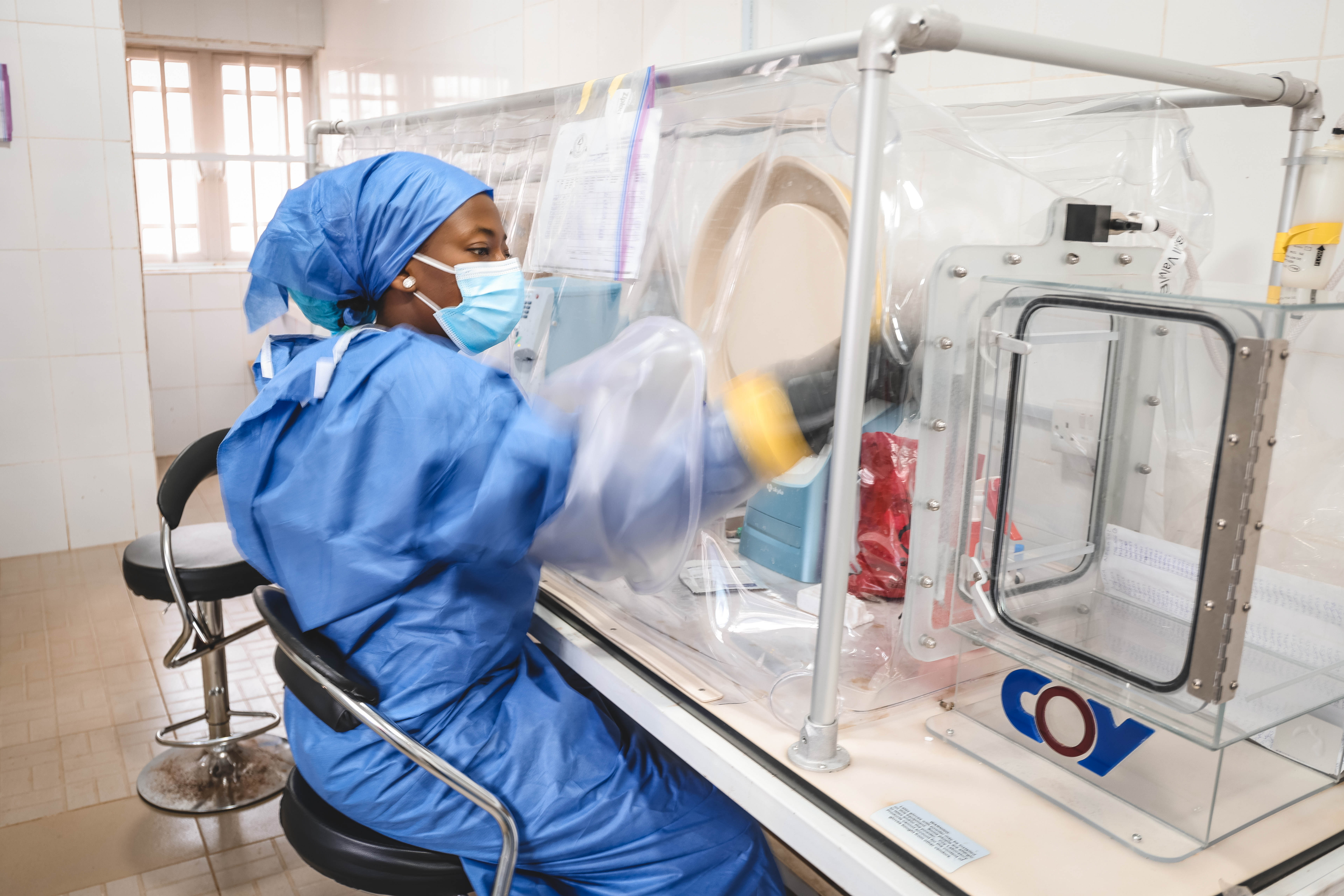
WHO emphasises that early diagnosis and appropriate supportive treatment improve patients’ chances of recovery.
Why early detection and prevention matter
Anambra’s response comes at a time when Nigeria is approaching the period during which Lassa fever transmission typically increases.
The disease occurs throughout the year but has historically recorded higher numbers of infections during the dry season, particularly between November and April.
Its recurring pattern makes early preparation important, even when only one case has been confirmed in a particular community.
Health authorities have advised residents to keep food in containers that rodents cannot enter, prevent contamination of household supplies and maintain clean surroundings.
People experiencing persistent fever or malaria-like symptoms that do not improve with appropriate treatment are encouraged to seek medical attention promptly rather than relying exclusively on self-medication.
The government has also asked residents to avoid spreading unverified information that could create unnecessary fear or discourage cooperation with health workers.
What this means for Nigerians
The confirmed case does not establish that Lassa fever is spreading widely across Anambra State.
However, it highlights the importance of identifying infections before they lead to additional cases.
For communities, protecting food from rodents, maintaining sanitation and seeking medical care for unexplained fever remain important preventive measures.
For public health authorities, effective contact tracing, access to testing and prompt treatment will determine how successfully the current case is contained.
The national figures also demonstrate why Lassa fever requires consistent attention beyond periods of major outbreaks.
Nigeria’s challenge is not simply responding whenever a case is confirmed, but ensuring that communities and healthcare facilities can detect infections early enough to prevent avoidable deaths.