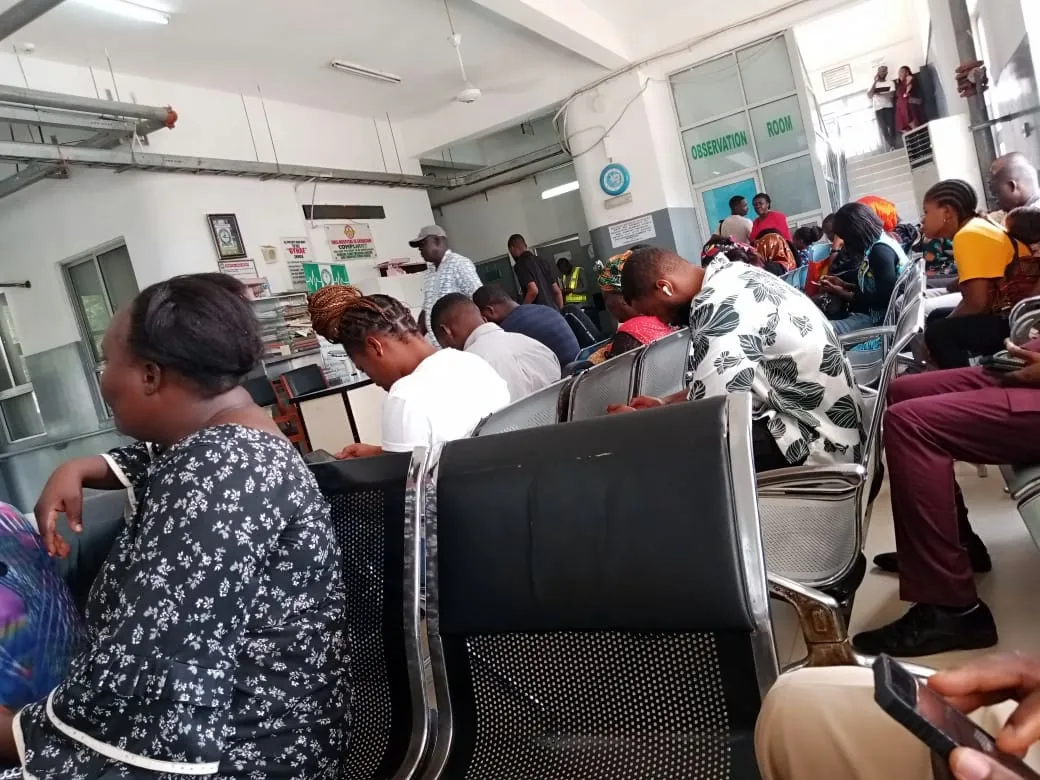
Patients across Nigeria are facing long hospital queues, delayed appointments and increasing medical expenses as public hospitals struggle with a shortage of specialist doctors.
An investigation published by PUNCH Healthwise on Sunday, October 18, 2026, examined the growing pressure on specialist healthcare services in Ogun, Gombe and Nasarawa states.
The findings reveal how shortages of trained doctors are affecting patients who need treatment for conditions including diabetes, cancer, kidney disease and neurological disorders.
Patients wait hours to see doctors
At the Federal Medical Centre in Abeokuta, Ogun State, patients reported arriving early but waiting several hours before receiving medical attention.
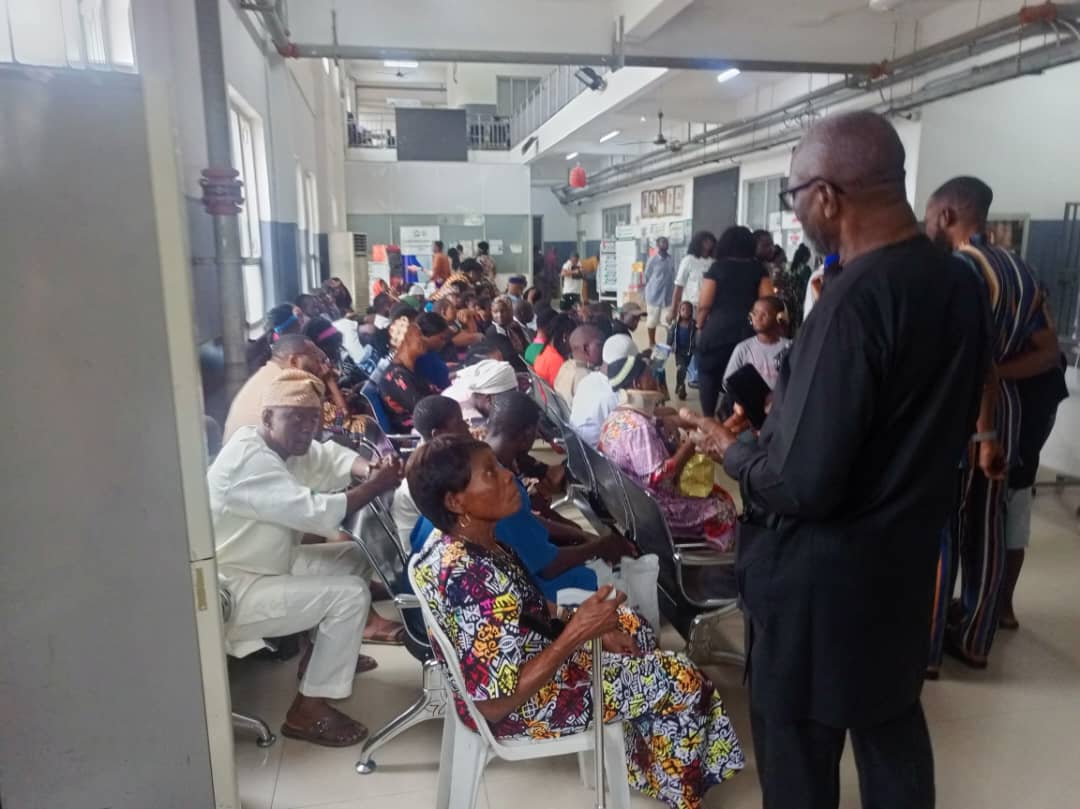
One patient said he arrived shortly after 7 AM but did not see a doctor until approximately 3 PM. On an earlier visit, he was turned away because the hospital had reached its patient limit for the day.
In Nasarawa State, a patient at the Federal University Teaching Hospital, Lafia, reported spending more than ₦80,000 over three weeks without seeing the specialist required for his condition.
Similar concerns were reported at Specialist Hospital, Gombe, where patients described delayed appointments and limited access to specialist treatment.
How serious is the shortage?
The investigation found substantial gaps in Nigeria’s specialist medical workforce.
The Endocrine and Metabolism Society of Nigeria estimated that the country has only 150–200 practising endocrinologists, doctors who specialise in hormonal conditions such as diabetes.
The Nigerian Society of Neurological Sciences also reported approximately 150 neurologists, while the Association of Radiation and Clinical Oncologists estimated that fewer than 100 specialists practise in its field nationwide.
These figures come from professional associations and are not a complete national workforce census.
Specialists interviewed attributed the shortages to medical migration, inadequate equipment, limited training opportunities and difficult working conditions.
What is the government doing?
Nigeria’s Federal Ministry of Health has acknowledged that healthcare-worker migration is affecting the country’s ability to retain qualified professionals.
In May 2026, the ministry said it was expanding medical training capacity and implementing a national policy on health workforce migration.
The government also reported establishing a National Health Workforce Registry to improve workforce planning.
However, training additional healthcare workers does not immediately address the shortage of specialist doctors, whose qualifications require years of additional education and clinical experience.
What this means for Nigerians
The shortage means some patients must travel between states, pay repeatedly for appointments or seek more expensive private treatment.
Others face longer waits for diagnosis and medical attention, particularly in communities without resident specialists.
Addressing the problem will require more than employing additional doctors. Nigeria must also improve specialist training, working conditions, hospital equipment and the distribution of medical professionals across the country.