The International Monetary Fund has raised Nigeria’s economic growth forecast for 2026 from 4.1% to 4.2%, citing improvements in the country’s economic stability. However, it warned that rising food and energy prices could push more Nigerians into poverty despite the stronger outlook.
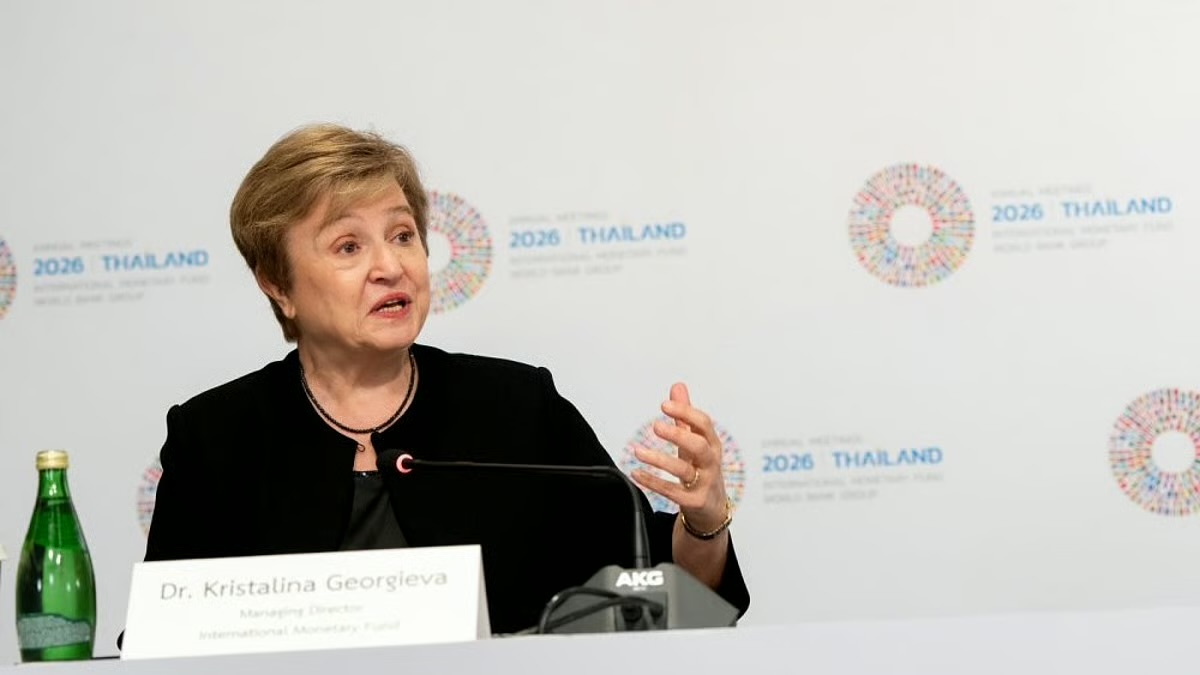
The IMF (International Monetary Fund) announced the revised projection in its October 2026 WEO (World Economic Outlook), released on Tuesday, October 13, during its annual meetings with the World Bank in Bangkok, Thailand.
According to the IMF’s latest economic projections, Nigeria’s economy is expected to expand by 4.2% in 2026, an increase of 0.1 percentage point from its previous forecast of 4.1%. The organisation also expects growth to reach 4.3% in 2027.
Why Nigeria’s growth forecast has improved
The IMF attributed the improvement to greater economic stability and favourable international trading conditions.
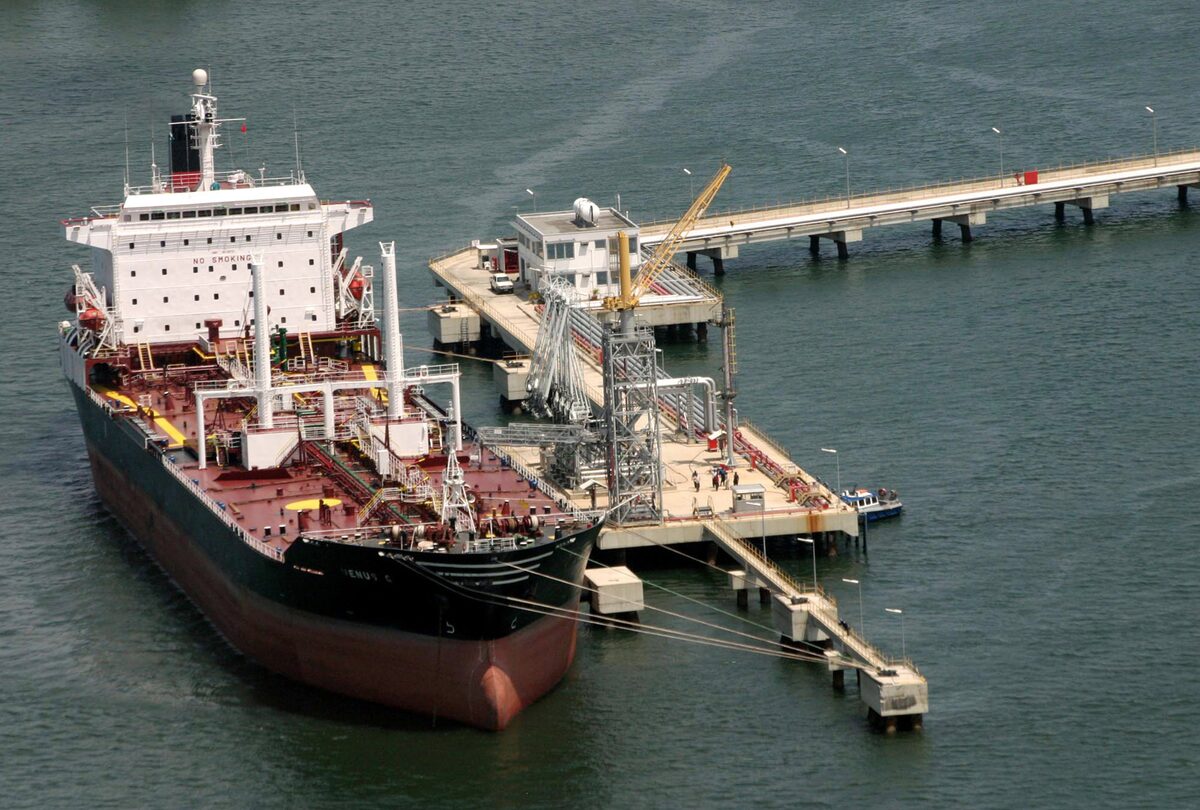
Nigeria’s position as an energy exporter has helped support economic activity, particularly as higher global oil prices create opportunities for increased export earnings.
However, the growth forecast remains a projection rather than an actual economic result. It measures the expected increase in goods and services produced across the country, not how much individual Nigerians will earn.
The IMF’s latest forecast also comes against a difficult global economic environment, with worldwide growth projected at 3.1% in 2026 and 3.4% in 2027.
Why poverty remains a concern
Despite the improved outlook, the IMF warned that rising prices of essential goods could worsen poverty and food insecurity in Nigeria.
Higher international energy prices may benefit Nigeria’s export earnings, but they can also increase transportation, agricultural production and household costs.
The organisation had previously estimated in its June 2026 assessment of Nigeria that 63% of Nigerians were living below the national poverty line, while approximately 27 million faced food insecurity in late 2025.
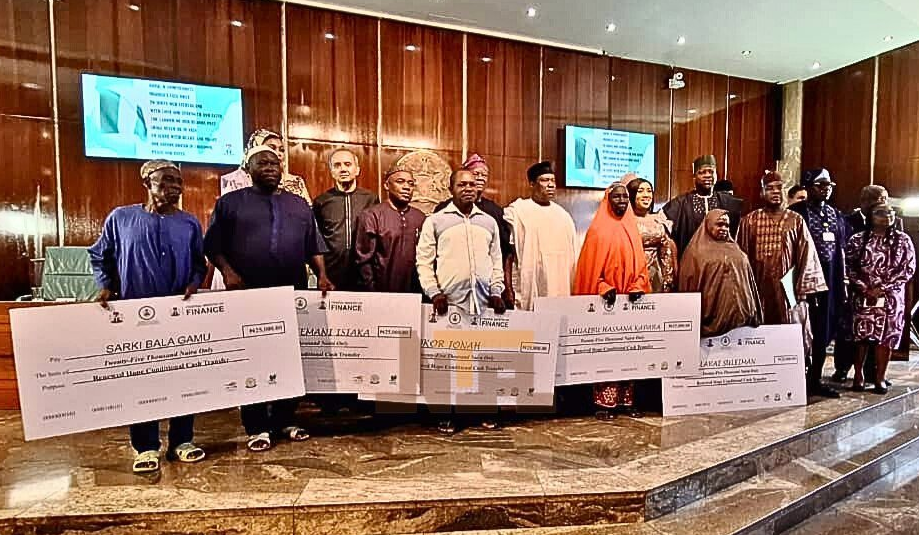
At Tuesday’s economic outlook briefing, IMF official Deniz Igan acknowledged the financial pressure facing Nigerian households and recommended temporary, targeted financial assistance for vulnerable families.
She said such support should address immediate food and energy needs while allowing the government to maintain longer-term financial stability.
What this means for Nigerians
A growing economy does not automatically mean falling prices, higher salaries or improved living conditions.
For example, Nigeria’s economy could grow by 4.2% while households continue spending more on food, transportation and electricity.
The IMF’s findings therefore highlight an important challenge for the government: turning improved economic figures into meaningful improvements in people’s everyday lives.
Beyond maintaining economic growth, the effectiveness of government policies will depend on whether they help reduce poverty, protect vulnerable households and create opportunities for more Nigerians to benefit from the country’s economic progress.