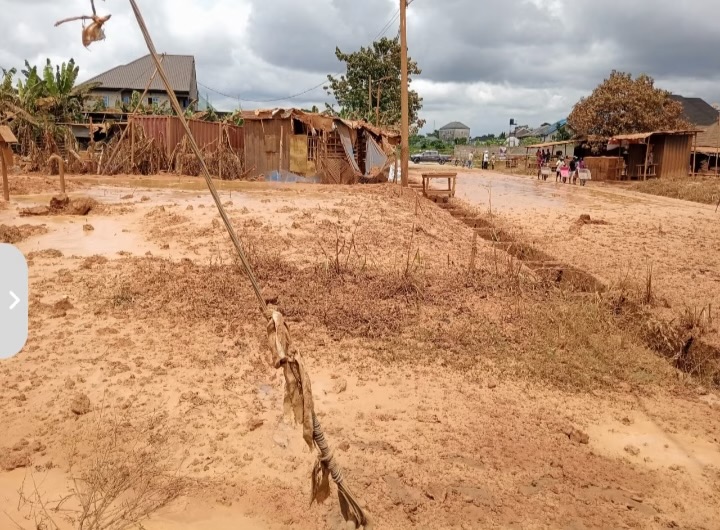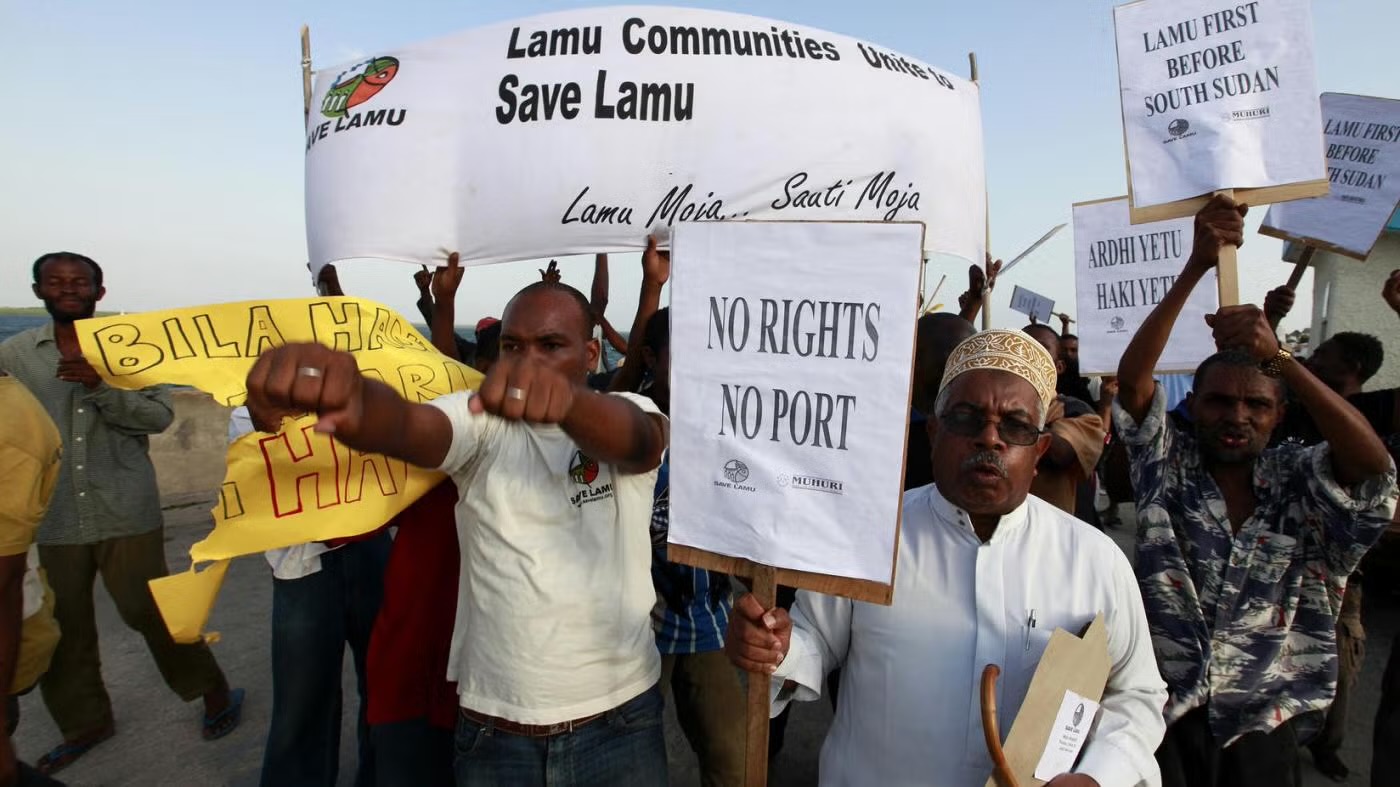
The residents, from the Chandavai area of Lamu, say part of the land intended for the refinery is ancestral land their families have occupied and cultivated for generations.
They are asking the Malindi Environment and Land Court to stop development on the disputed land until questions around ownership, compensation and resettlement are resolved.
The dispute concerns Land Reference No. 13061 in the Hindi/Manda Magogoni area of Lamu County.
The residents say they are not opposed to the refinery itself. Their case is that the project should not proceed on land they claim without first recognising their rights and agreeing on compensation or resettlement.
What has the court actually ordered?
The court has not cancelled the refinery project or stopped the groundbreaking ceremony.
Justice Jane Onyango declined to grant an immediate order stopping the entire development.
Instead, she ordered the parties to maintain the existing situation on the disputed land until the case returns to court.
The respondents were given 14 days to respond, while the next hearing was fixed for October 14.
That distinction is important.
The groundbreaking ceremony can proceed, but activities that would materially change the disputed parcel — such as construction, excavation or clearing — could be affected by the order until the court gives further direction.
Dangote Group has also said the court case will not stop the project launch, although it acknowledged that some work on the affected land may be delayed.
Why Lamu?
Dangote plans to build a 700,000-barrel-a-day refinery in Lamu, on Kenya’s Indian Ocean coast.
The location gives the project direct access to a deep-water port and places it inside the wider LAPSSET (Lamu Port-South Sudan-Ethiopia Transport) corridor, which Kenya is developing as a major regional trade and infrastructure route.
The Port of Lamu was designed not only for container traffic but as part of a wider corridor that includes roads, rail, pipelines and refinery infrastructure linking Kenya with neighbouring countries. (Kenya Ports Authority)
Dangote has previously said commercial and technical considerations led the group to choose Lamu for its planned East African refinery, while also inviting other East African governments to participate in the project. (Dangote Industries)
The refinery is expected to serve Kenya and other East African markets that currently depend heavily on imported finished petroleum products.
Kenya itself does not currently operate a large refinery capable of meeting its domestic fuel demand.
The project has already moved beyond discussions
The land case comes just as visible preparations for the refinery are beginning.
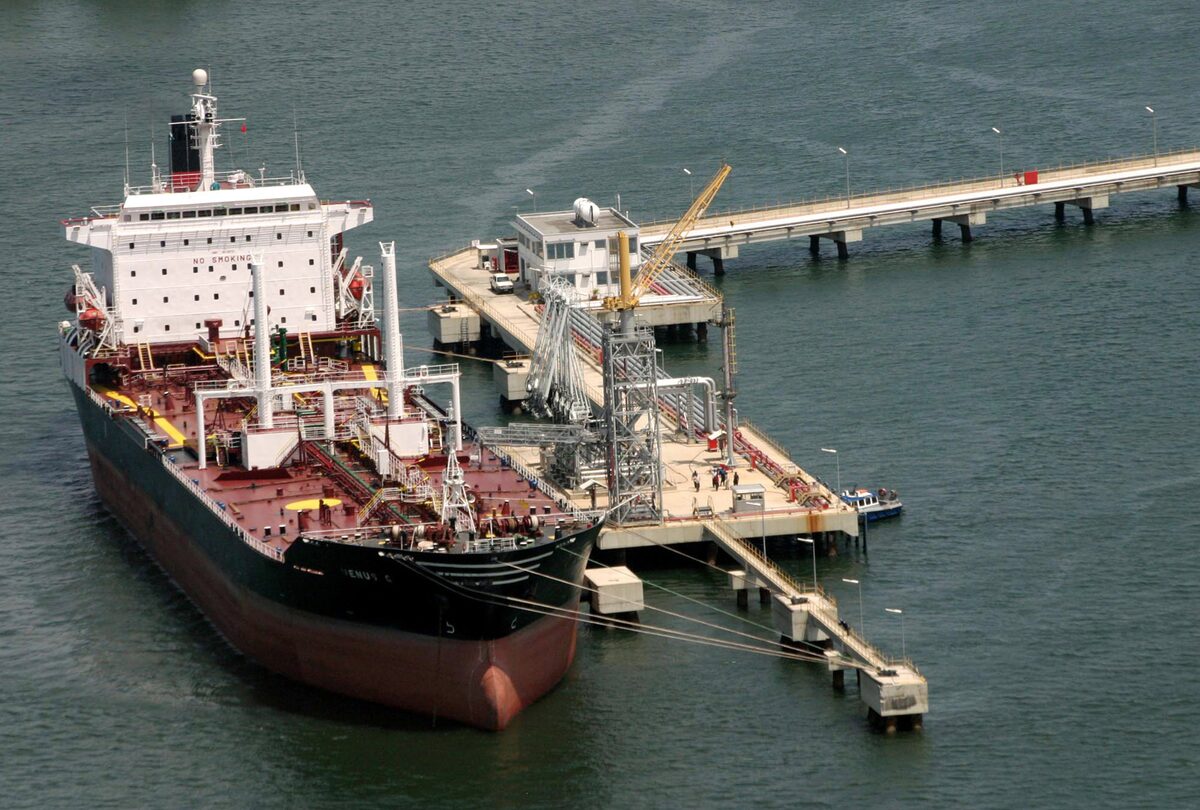
A vessel carrying about 2,930 metric tonnes of heavy construction machinery arrived at Lamu Port ahead of the planned groundbreaking.
The Port of Lamu is already operational and forms part of Kenya’s long-term plan to build a second major transport corridor beyond the traditional Mombasa route. Kenya Ports Authority says the port is planned to eventually handle containerised cargo, conventional cargo and petroleum products across 23 berths. (Kenya Ports Authority)
The arrival of equipment does not mean the refinery itself is already under construction, but it shows the project has moved further than a simple investment announcement.
Why the refinery matters to East Africa
A 700,000-barrel-a-day refinery would be one of the largest refining projects in Africa.
The basic idea is to import or receive crude oil, process it in East Africa and supply petrol, diesel, jet fuel and other petroleum products to the region instead of importing as much finished fuel from refineries elsewhere.
That could give Kenya and neighbouring countries another source of refined products and potentially reduce some of the transport and supply risks that come with depending heavily on overseas refineries.
But building a refinery of this size requires much more than the refinery equipment itself.
It needs reliable crude supply, storage facilities, pipelines, roads, power, port infrastructure and agreements for selling the finished products across several countries.
That is why the refinery is being positioned as part of a much larger industrial and logistics development around Lamu rather than as one standalone factory.
The land dispute could still affect the timetable
The fact that the groundbreaking can proceed does not mean the land case has become unimportant.
If the court eventually agrees that the residents have legally protected interests in the disputed parcel, the project could have to negotiate compensation, resettlement or changes to how the land is used.
A prolonged legal dispute could also slow construction even if it does not stop the refinery completely.
The key question is therefore not simply whether the ceremonial launch takes place.
It is whether Dangote and the Kenyan authorities can move from the launch into full construction without unresolved land issues becoming a larger obstacle.
What this means
For Dangote, the case is an early test for one of its biggest planned investments outside Nigeria.
The group has already built the 650,000-barrel-a-day Dangote refinery in Lagos and is now trying to expand its industrial footprint more aggressively across Africa.
The Lamu project would take that model into East Africa.
For Kenya, the refinery could become a major industrial investment, but the court dispute also shows why land ownership and community compensation can become important issues when very large projects move from planning to construction.
The refinery has not been stopped.
But neither has the land dispute been settled.
The next important date is October 14, when the court is expected to hear the parties more fully and decide what should happen next on the disputed land.