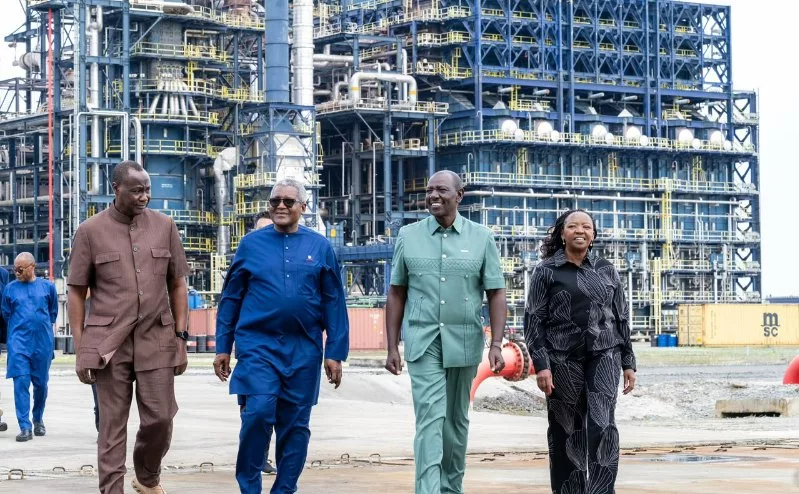
Dangote Group, Ethiopia and Djibouti have launched a $660 million petroleum infrastructure project that will change how fuel is moved from the Djiboutian coast into Ethiopia.
The project will build a 120-kilometre pipeline from Damerjog in Djibouti to Dewele in Ethiopia, with fuel-storage facilities at both ends.
It is being developed by Dangote Group and EIH (Ethiopian Investment Holdings), Ethiopia’s state-owned investment company. Ethiopian Prime Minister Abiy Ahmed, Djibouti President Ismail Omar Guelleh and Aliko Dangote attended the project launch on September 24. (ENA English)
Why is Ethiopia building a fuel pipeline through Djibouti?
Ethiopia has no coastline.
That means much of what the country imports by sea has to arrive through a neighbouring country before travelling inland.
Djibouti is Ethiopia’s main route to the sea, making the road and trade corridor between both countries extremely important for fuel, food and other imports. The World Bank describes the Addis-Djibouti route as a vital trade corridor for landlocked Ethiopia. (World Bank)
Today, large quantities of fuel are transported from Djibouti into Ethiopia by tanker trucks.
That creates problems including road congestion, longer delivery times and higher transport costs.
The new pipeline is designed to take some of that pressure off the roads.
How will it work?
The pipeline will carry refined petroleum products.
That simply means fuels that have already been processed and are ready for use, rather than crude oil coming directly from the ground.
A multiproduct pipeline can move different petroleum products through the same system at different times.
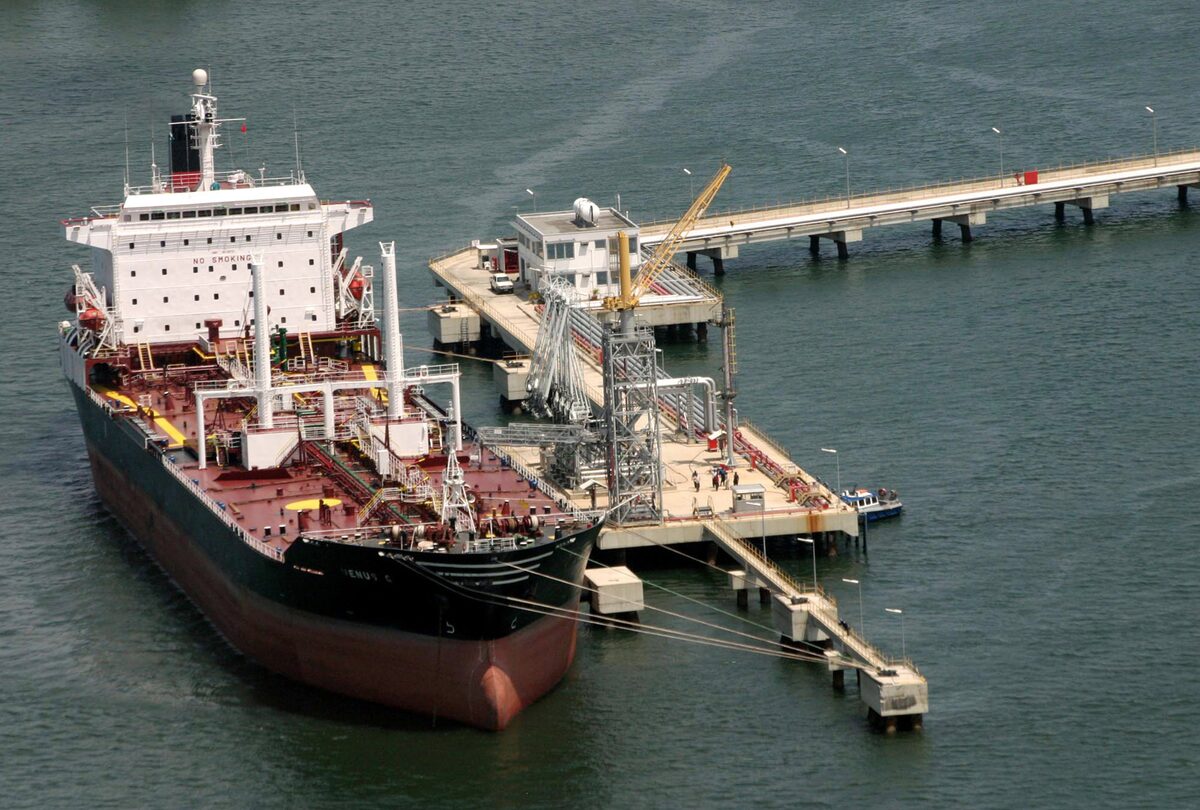
Fuel arriving at storage facilities in Damerjog will be moved through the pipeline to Dewele, where it can be stored and distributed further into Ethiopia. (ENA English)
Prime Minister Abiy Ahmed said fuel currently travelling towards Addis Ababa can spend about five days on trucks.
The pipeline is expected to cut that part of the journey to about one day, while also allowing Ethiopia to keep larger fuel reserves. (ENA English)
Why Dangote is involved
Dangote Group has been expanding beyond its traditional businesses in Nigeria into large industrial and infrastructure investments across Africa.
For this project, Dangote is partnering with Ethiopian Investment Holdings rather than simply building infrastructure for Nigeria.
The project gives the Nigerian-owned group a bigger role in East Africa’s energy and logistics market.
It also adds to Dangote’s growing investments in Ethiopia, where the group is separately developing a multibillion-dollar fertiliser project.
The two projects should not be confused: the $660 million project is a petroleum pipeline between Djibouti and Ethiopia, while the fertiliser investment is a separate development inside Ethiopia.
Why it matters for Ethiopia and Djibouti
For Ethiopia, the main benefit is simpler and potentially cheaper fuel transportation.
Moving more fuel by pipeline could reduce the number of tanker trucks travelling the corridor, shorten delivery times and make shortages caused by transport delays less likely.
For Djibouti, the project strengthens its position as Ethiopia’s main gateway to international trade.
Both governments also see the project as part of a wider push to build more African-owned infrastructure rather than relying entirely on projects financed and operated from outside the continent. (ENA English)
What this means
Dangote is a Nigerian company building a major piece of energy infrastructure outside Nigeria, showing how Nigerian private capital is expanding into other African markets.
If the project works as planned, Dangote will have a stronger position in East African energy infrastructure while Ethiopia gets a faster route for moving imported fuel inland.
The bigger thing to watch now is execution: how quickly the pipeline is built, when it becomes operational and whether the promised reduction in fuel-transport costs actually reaches businesses and consumers.