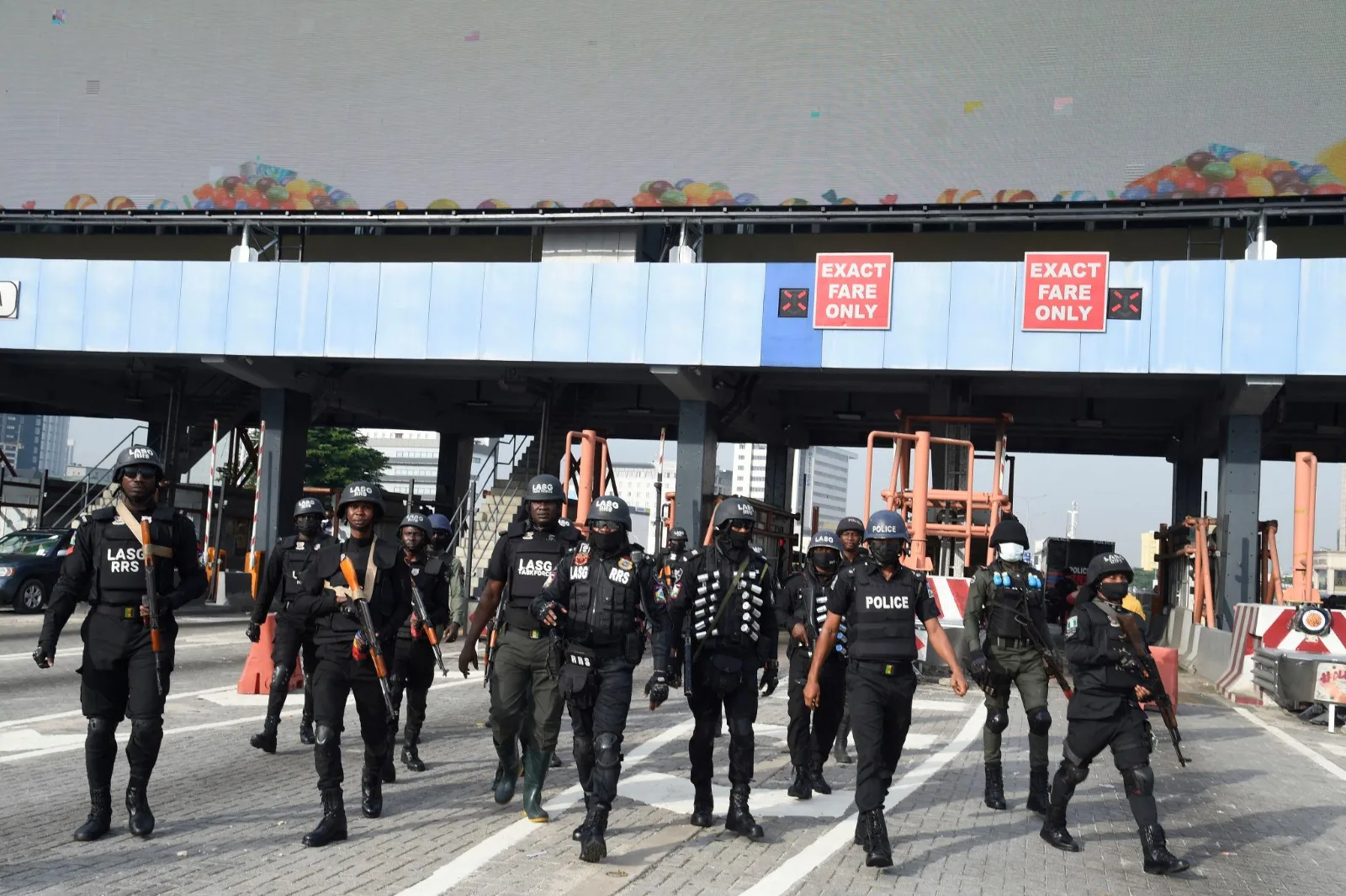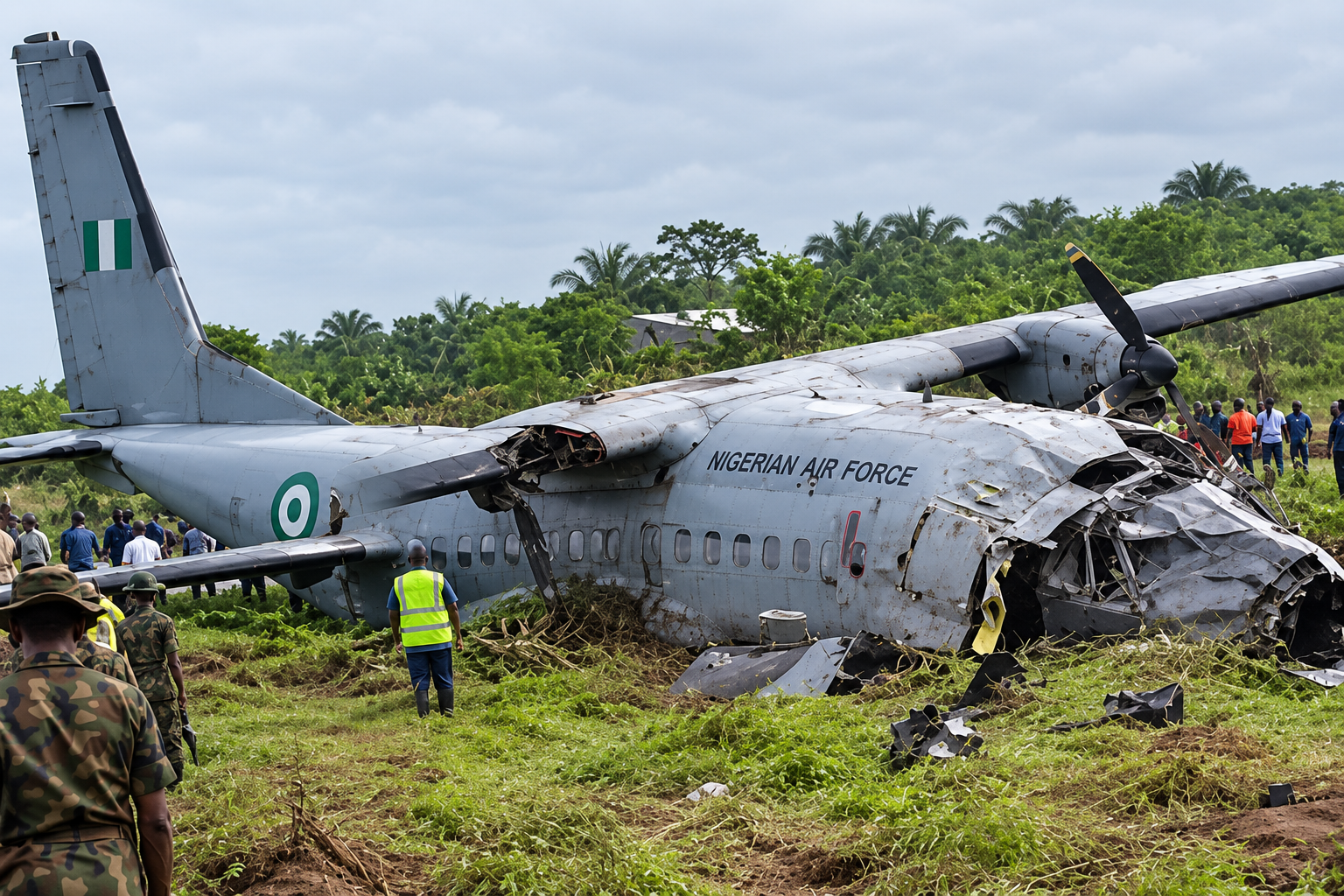
The Nigerian Army confirmed that Abdussamad Ohida, also known as Anwar, was killed during a joint security operation in Owo forest, Ondo State.
The operation involved the Army, DSS (Department of State Services) and the Ondo State Security Network Agency, known as Amotekun. Major Innocent Olamale, Assistant Director of Army Public Relations for the 32 Artillery Brigade, described it as an intelligence-led joint operation.
ISWAP (Islamic State West Africa Province) has historically been associated most strongly with the insurgency in Borno and the wider Lake Chad region.
That is why the Ondo location is the more important part of this story.
What was an ISWAP commander doing in Ondo?
Security sources say Ohida had been operating as part of an ISWAP network covering parts of North-Central and southern Nigeria.
They also allege that the network was preparing attacks in southern states, including attacks on civilians during the festive period.
Those claims have come from security officials, but the Nigerian Army has so far publicly confirmed only the joint operation and Ohida’s death. A detailed operational statement setting out the full evidence against the network had not been published on the Army’s website at the time of writing. Nigerian Army — Official website
That distinction matters because killing a commander in Ondo does not automatically mean ISWAP controls territory in the state or has established the kind of presence it maintains in parts of the North-East.
It does, however, suggest security agencies are dealing with networks capable of operating much farther south.
Ondo has been strengthening local security operations
Ondo State has been expanding Amotekun and increasing cooperation between the state security network and federal agencies.
Governor Lucky Aiyedatiwa has said the state is investing in better equipment, training and stronger intelligence coordination for Amotekun personnel. Ondo State Government — Amotekun security support
The involvement of Amotekun in the Owo operation also shows how state-backed security organisations are increasingly being used alongside federal agencies when intelligence points to threats inside their areas.
What this means
The bigger story is not simply that one ISWAP commander was killed.
It is whether the group has built cells, hideouts or support networks outside its traditional North-East base, and how extensive those networks may be.
For Nigerians in the South-West, the operation should not be read as evidence that ISWAP now controls territory in Ondo. But it does show that security agencies are treating the possibility of terrorist networks operating in the region seriously.
The next important information will be whether authorities identify other cells connected to Ohida and provide clearer evidence of how wide the network had become.