What happened?
Eight Nigerian banking groups recorded a sharp decline in loan impairment charges during the first nine months of 2026, reducing the amount charged against earnings for potential credit losses from approximately ₦1.92 trillion in the same period of 2025 to ₦1.01 trillion.
According to a BusinessDay analysis published on November 18, the reduction represents a 47.1% decline, or approximately ₦903 billion.
Loan impairment charges are expenses banks recognise when they expect that some borrowers may not repay their loans in full. They reduce reported profits and reflect the financial risks associated with lending.
A fall in these charges can improve bank profitability. However, it does not necessarily mean that previously troubled loans have been repaid or that lending has become less risky.
Which banks recorded the biggest reductions?
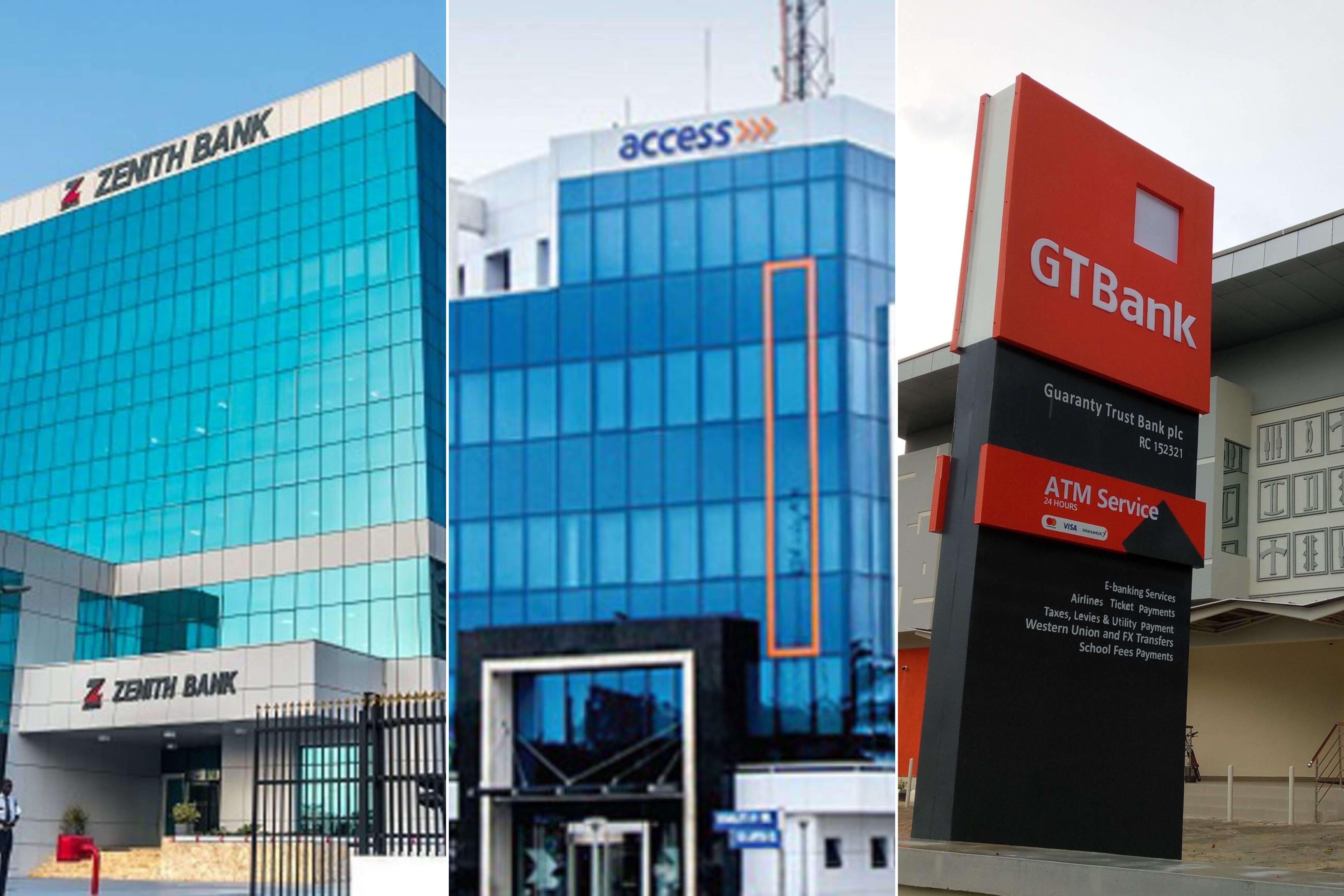
The improvement was particularly significant at Zenith Bank, Access Holdings and Guaranty Trust Holding Company (GTCO).
Based on the banks’ nine-month financial statements, as analysed by BusinessDay, the figures were:
Bank | 9M 2025 | 9M 2026 | Change |
Zenith Bank | ₦782.7bn | ₦230.7bn | −70.5% |
Access Holdings | ₦349.9bn | ₦92.9bn | −73.5% |
GTCO | ₦69.7bn | ₦29.0bn | −58.4% |
First HoldCo | ₦288.9bn | ₦207.1bn | −28.3% |
Ecobank | ₦393.6bn | ₦393.8bn | Broadly unchanged |
Sterling Financial Holdings | ₦8.1bn | ₦40.3bn | Increased |
Wema Bank | ₦11.0bn | ₦18.5bn | Increased |
Stanbic IBTC Holdings also recorded a substantial reduction, from ₦11.6 billion to approximately ₦507 million.
The figures show that the improvement was not uniform. While several large banks substantially reduced their impairment charges, others recorded increases, indicating that credit risks remain.
Why did the charges fall?
Much of the reduction is connected to changes introduced by the Central Bank of Nigeria (CBN) in 2025.
During the COVID-19 pandemic, the CBN allowed banks to restructure certain loans and temporarily relaxed some regulatory requirements. This arrangement, known as regulatory forbearance, gave affected borrowers more time to meet their obligations.
However, the concessions also meant that some troubled loans remained under special regulatory treatment.
In June 2025, the CBN ended the relevant forbearance arrangements, requiring banks to reassess affected loans, recognise potential losses and strengthen their financial positions.
The changes led to unusually high impairment charges in 2025.
According to THISDAY’s analysis of the banks’ financial statements, the subsequent reduction in 2026 reflects, in part, the easing of those exceptional provisioning requirements.
In other words, banks are comparing this year’s charges against an unusually expensive period in 2025.
That makes the improvement significant, but it should not automatically be interpreted as evidence that borrowers are now repaying loans more successfully.
Banks are recording stronger earnings
Lower impairment charges have helped improve profitability across parts of Nigeria’s banking sector.
A November 15 analysis by THISDAY found that eight banking groups recorded combined profit before tax of approximately ₦4.8 trillion during the first nine months of 2026, compared with ₦4.3 trillion in the corresponding period of 2025.
This represents an increase of about 12.2%.
However, lower impairment charges were not the only reason for the improvement. Trading income, interest earnings, fees and operating expenses also influenced individual banks’ results.
For shareholders, lower credit-loss expenses can support profits and potentially improve dividend capacity, although actual dividends remain subject to regulatory requirements and company decisions.
For customers, the implications are less immediate.
Does this mean Nigerians will get cheaper loans?
Not necessarily.
Banks determine lending rates using several factors, including the cost of obtaining funds, the risk associated with individual borrowers, operating expenses and broader monetary conditions.
A reduction in impairment charges improves the amount of earnings banks retain after accounting for potential credit losses, but it does not directly require them to reduce interest rates.
In BusinessDay’s November 18 report, financial analysts explained that stronger bank balance sheets could eventually support additional lending, but the reduction in charges does not automatically make borrowing more affordable.
For Nigerian businesses, particularly smaller companies that depend on bank credit, the important questions remain whether lenders will approve more loans and whether borrowing costs will decline.
What should Nigerians pay attention to?
The improvement in bank earnings matters to different groups for different reasons.
For investors, lower impairment charges can improve profitability, but the sustainability of those earnings depends on the quality of banks’ loan portfolios and their ability to manage future defaults.
For business owners, stronger banks may eventually have greater capacity to lend. However, that does not guarantee easier access to credit.
For ordinary borrowers, lower interest rates will depend on wider changes in the financial system, not simply on banks reporting fewer impairment expenses.
There is also a continuing concern about bad loans. As BusinessDay reported, the CBN’s December 2025 Financial Stability Report recorded a non-performing loan ratio of 7.51%, above the regulator’s 5% prudential benchmark.
This means that although banks are recording lower impairment expenses, the underlying quality of their lending remains an important issue.
What happens next?
The next financial reporting periods will help establish whether the decline in impairment charges represents a lasting improvement or mainly reflects the exceptional provisions recorded in 2025.
Investors will be watching banks’ profitability, non-performing loans and dividend decisions.
Borrowers, meanwhile, will be looking for evidence that stronger financial results translate into lower lending rates and improved access to credit.
For now, the clearest beneficiaries are banks reporting lower credit-loss expenses. Whether Nigerian households and businesses experience meaningful relief remains uncertain.