What happened?
MTN Group and IHS Holding Limited have agreed to extend the deadline for completing their proposed acquisition by one month, moving it from November 17 to December 17, 2026.
The extension was confirmed in a regulatory announcement published through the Johannesburg Stock Exchange on November 16.
According to the announcement, both companies require additional time to satisfy the outstanding conditions necessary to complete the transaction.
The agreement to extend the deadline was signed on November 14, 2026.
MTN announced its intention to acquire IHS in February 2026. Under the proposed transaction, the South African telecommunications group would purchase approximately 75.3% of IHS that it does not already own.
The acquisition values IHS at approximately $6.2 billion, including debt, while the purchase of the remaining shares involves a substantially smaller cash consideration.
The transaction has not been completed.
What exactly is MTN buying?
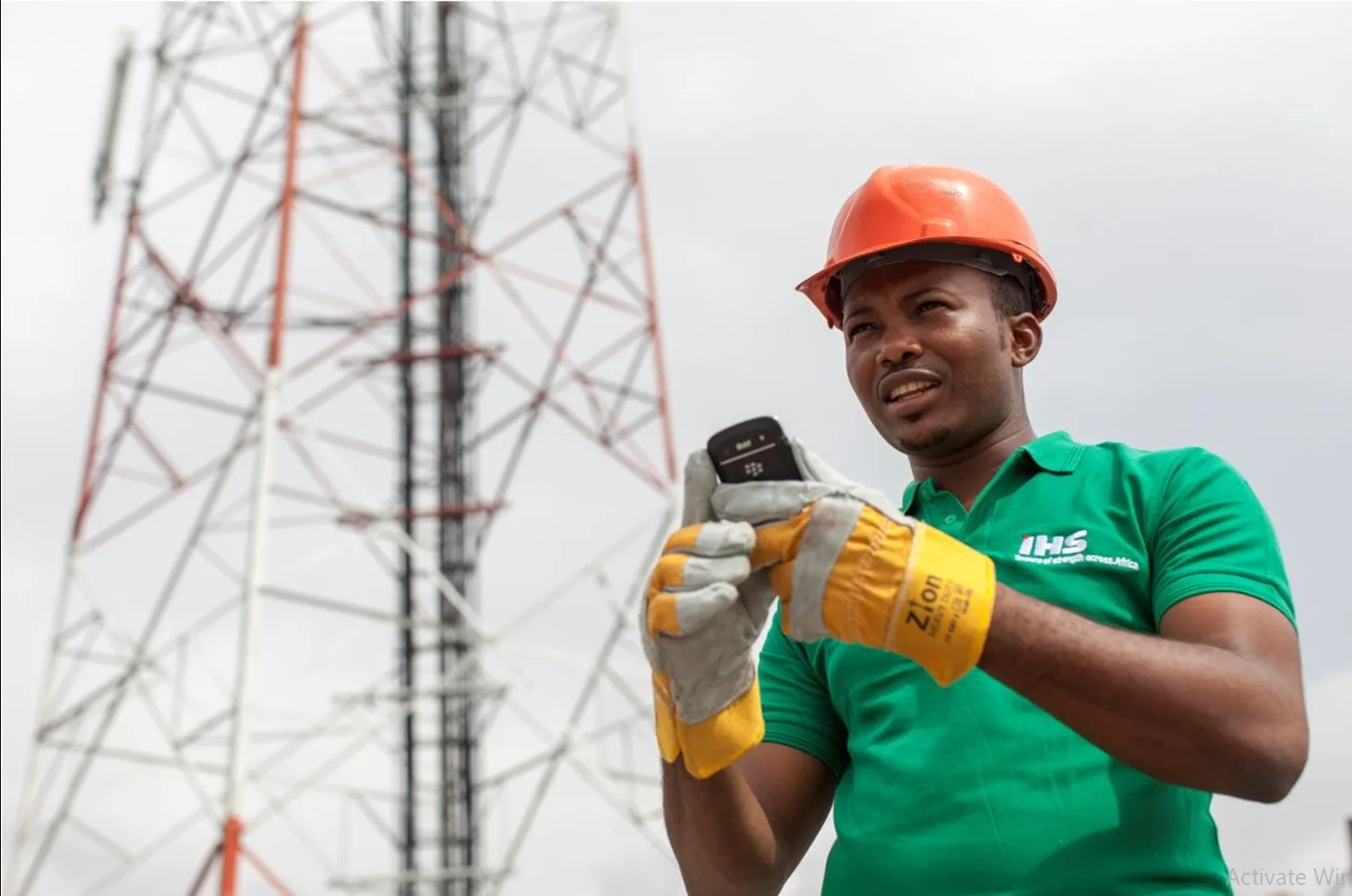
IHS Towers is a telecommunications infrastructure company that owns and manages mobile network towers.
These towers support the equipment telecommunications companies use to provide voice calls, mobile internet and other network services.
Rather than every telecommunications operator building its own towers, companies such as IHS provide shared infrastructure that multiple operators can use.
MTN is already a major shareholder in IHS and one of its largest customers.
Under the proposed acquisition, MTN would take full ownership of the business, gaining greater control over infrastructure supporting its operations across several African markets.
According to IHS's November regulatory filing with the United States Securities and Exchange Commission, the companies signed their original merger agreement on February 17, 2026.
IHS shareholders subsequently approved the transaction at an extraordinary general meeting on August 4.
However, shareholder approval alone does not complete an acquisition. The companies must also satisfy applicable regulatory and contractual requirements.
Why does the acquisition matter to Nigeria?
Nigeria is IHS Towers' largest operating market and accounts for a substantial proportion of its revenue.
In the third quarter of 2026, IHS reported revenue of approximately $490.5 million from continuing operations.
Nigeria contributed about $359.4 million, representing approximately 73% of the total.
The figures, reported in IHS's latest financial results and subsequent industry coverage, demonstrate how important the Nigerian business is to the proposed acquisition.
For MTN, owning the infrastructure it currently leases could provide greater control over network expansion, equipment deployment and operating costs.
It could also influence how the company plans future investments in telecommunications infrastructure.
However, the transaction raises competition questions.
IHS does not serve MTN alone. Its towers are also used by competing telecommunications operators.
If MTN becomes the owner of infrastructure used by its competitors, regulators must consider whether those competitors will continue receiving fair access and treatment.
Nigerian regulators have imposed conditions
Nigeria's Federal Competition and Consumer Protection Commission (FCCPC) granted conditional approval for the acquisition in August 2026.
According to Nairametrics' report on the regulatory decision, the approval requires MTN to sell up to 30% of the Nigerian component of IHS's business to other investors over time.
The proposed divestment is intended to address competition concerns associated with MTN controlling telecommunications infrastructure used by rival operators.
MTN has indicated its acceptance of the conditions and has reportedly been seeking Nigerian investors interested in acquiring the relevant stake.
The potential investment has been estimated at between $900 million and $1.1 billion.
However, this estimate should not be treated as the value of a completed transaction.
The Nigerian Communications Commission (NCC) has also reportedly granted approval in principle, subject to regulatory conditions.
These developments indicate that Nigeria's regulators are seeking to balance the potential benefits of the acquisition with the need to preserve competition.
Why has the deadline been extended?
The companies have not identified every outstanding requirement in their latest announcement.
Their November 16 regulatory disclosure states that the additional month will allow them to satisfy or, where permitted, waive remaining conditions under the merger agreement.
Regulatory approvals across the countries where IHS operates remain an important part of the process.
In South Africa, competition authorities have also been reviewing the proposed transaction.
The extension therefore does not establish that the acquisition has failed or that regulators have rejected it.
It means the companies have agreed to allow more time for completion.
The revised deadline is December 17, 2026, although the merger agreement also provides for certain circumstances in which further extensions may apply.
Will Nigerians get better mobile networks?
The acquisition could eventually influence how MTN invests in telecommunications infrastructure, but it does not guarantee immediate improvements in network quality.
Nigeria's telecommunications industry faces several infrastructure challenges, including unreliable electricity supply, equipment maintenance costs, fibre connectivity problems and the expense of expanding coverage.
Greater control over tower infrastructure could help MTN coordinate network investments more efficiently.
However, whether this produces better service will depend on the company's investment decisions, operational performance and regulatory obligations.
There is also the question of competition.
Other telecommunications operators depend on access to shared infrastructure.
If access becomes more expensive or less competitive, the consequences could extend beyond MTN's customers.
This is why the conditions imposed by regulators matter.
What does this mean for Nigerians?
For MTN subscribers, the acquisition could eventually affect the company's ability to expand and maintain its network. However, there is no confirmed announcement of lower data prices, cheaper calls or immediate service improvements resulting from the transaction.
For competing telecommunications companies, the important issue is whether access to IHS infrastructure will remain fair and commercially reasonable.
For Nigerian investors, the proposed sale of a portion of IHS's Nigerian business could create an opportunity to acquire an interest in a major telecommunications infrastructure operation.
However, the identity of any eventual investors, the final ownership structure and the financial terms remain subject to confirmation.
The transaction also raises a wider question about Nigeria's digital economy: who should own the infrastructure on which competing telecommunications companies depend?
What happens next?
MTN and IHS now have until December 17, 2026, under the revised deadline to complete the transaction, subject to the provisions of their merger agreement.
The companies must resolve outstanding regulatory and contractual requirements before the acquisition can close.
For Nigeria, the most important developments to watch are the implementation of the FCCPC's conditions, the proposed sale of part of IHS's Nigerian operations and the arrangements that will protect competing telecommunications operators.
The acquisition could reshape ownership of telecommunications infrastructure across Africa, but its effect on Nigerian consumers will depend on what happens after the transaction is completed.