What happened?
Dangote Petroleum Refinery is preparing to increase the size of its initial public offering (IPO) by up to 30%, potentially raising approximately $2.1 billion after investors submitted applications worth nearly ₦6 trillion.
An IPO is the process through which a company offers shares to the public before they begin trading on a stock exchange.
According to a Reuters report published on November 17, three people involved in the transaction and a senior company executive said the refinery was considering increasing the number of shares available to investors following demand that substantially exceeded the original offer.
The company initially offered 4.1 billion shares at ₦525 each, representing approximately ₦2.15 trillion. Under the proposed expansion, the number of shares could rise to 5.33 billion, adding another 1.23 billion shares.
However, the enlarged offering has not received final approval from Nigeria’s Securities and Exchange Commission (SEC).
Why are investors applying for so many shares?
Dangote Refinery’s public offering has attracted significant interest from individual investors, pension funds and international institutions.
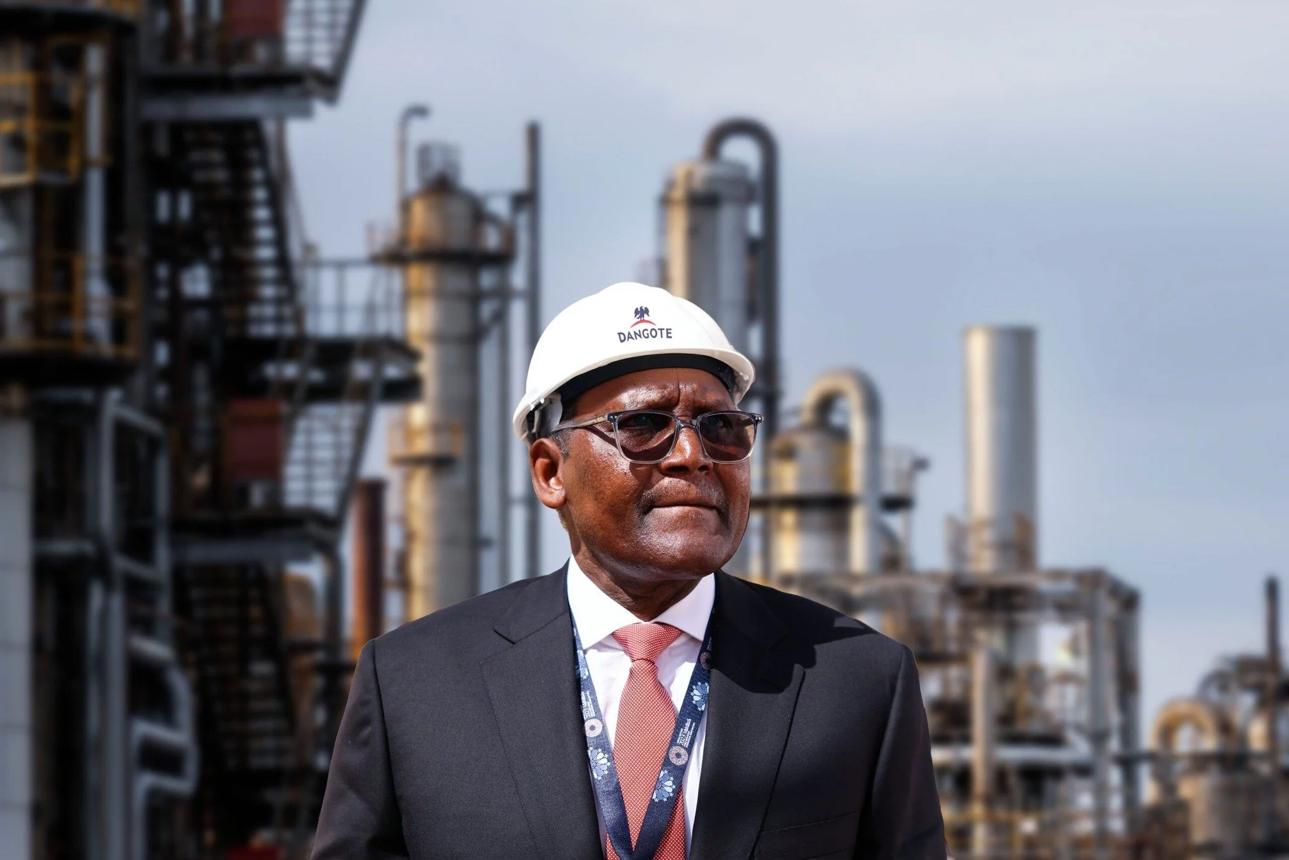
The refinery, located in Lagos, is one of Africa’s largest industrial investments. Its operations have changed Nigeria’s petroleum market by expanding domestic refining capacity and creating opportunities to export refined petroleum products.
The company’s planned expansion is another important consideration for investors. Dangote intends to increase the refinery’s processing capacity to approximately 1.4 million barrels per day, more than twice its current capacity.
The share offering is intended to help finance that expansion.
According to BusinessDay’s November 17 report, investors applied for approximately 11.15 billion shares worth ₦5.85 trillion, compared with the 4.1 billion shares originally available.
That means demand was approximately 2.7 times the original offering.
But high demand does not necessarily establish that the shares are fairly priced or guarantee that their value will rise after listing.
Will everyone receive the shares they requested?
Not necessarily.
When investors apply for more shares than a company offers, the company must determine how to distribute the available shares. This process is called allotment.
People involved in the transaction told Reuters that individual retail investors were expected to receive all the shares they requested, while Nigerian pension funds could receive allocations close to their applications.
Foreign institutional investors, however, may receive fewer shares than they requested.
The report identified investors from South Africa, Botswana and Kenya among those participating in the offering.
These arrangements remain reported expectations rather than final allocations.
The SEC must review the proposed distribution before the company can confirm how many shares each investor will receive.
Why is the SEC reviewing the offering?
The SEC is responsible for regulating Nigeria’s capital market and protecting investors.
The commission previously approved Dangote Refinery’s IPO in September, allowing the company to offer shares to the public through authorised channels.
However, approval to conduct the IPO is different from approval of the final allotment or an increase in the number of shares.
According to BusinessDay, the regulator is examining whether the proposed allocation adequately protects smaller investors, particularly given the substantial participation of large institutions.
The distinction matters because millions of individual investors reportedly applied for shares, while a relatively small number of institutional investors accounted for a significant proportion of the money subscribed.
Who will own Dangote Refinery after the listing?
Despite the public offering, Aliko Dangote is expected to retain majority ownership and control of the refinery.
People familiar with the transaction told Reuters that Dangote’s ownership could stand at approximately 83.5% after the offering.
The Nigerian National Petroleum Company Limited (NNPC), which already holds a stake in the refinery, is expected to own approximately 6.5%.
These figures remain projections until the final share allotment and ownership structure are confirmed.
For public investors, this means owning shares in the refinery will not necessarily translate into substantial influence over its management or strategic decisions.
What does this mean for Nigerians?
The proposed increase could make Dangote Refinery’s listing one of the largest share offerings in African stock market history.
For Nigeria’s capital market, the level of participation is significant. It demonstrates substantial investor interest in owning shares in a major Nigerian industrial company.
It could also increase activity on the Nigerian Exchange (NGX), particularly if the company attracts sustained participation from domestic and international investors.
For Nigerians who applied for shares, however, three questions are more immediate: how many shares they will receive, whether any excess subscription money will be refunded, and when trading will begin.
The refinery’s official post-offer announcement confirms that the public offer closed on October 27, 2026. It also explains that receiving an application or payment confirmation does not guarantee a particular share allocation.
The company says final allotment results, refund information and the trading date will be communicated through its official channels.
Investors should therefore distinguish between the large amount of money applied for and the amount the company will ultimately raise.
The nearly ₦6 trillion in applications is not the same as ₦6 trillion in completed fundraising.
What happens next?
Dangote Refinery must obtain the necessary regulatory approval for its proposed additional shares and final allotment.
The company is expected to list on the Nigerian Exchange, although the precise trading date remains subject to confirmation.
Once the final allotment is approved, investors will know how many shares they own and whether they are entitled to refunds.
The more important test will come after listing, when the refinery’s financial performance, expansion plans and market valuation begin influencing the price investors are willing to pay for its shares.
For now, the confirmed development is exceptionally strong investor demand. The proposed $2.1 billion offering and its final distribution remain subject to regulatory approval.