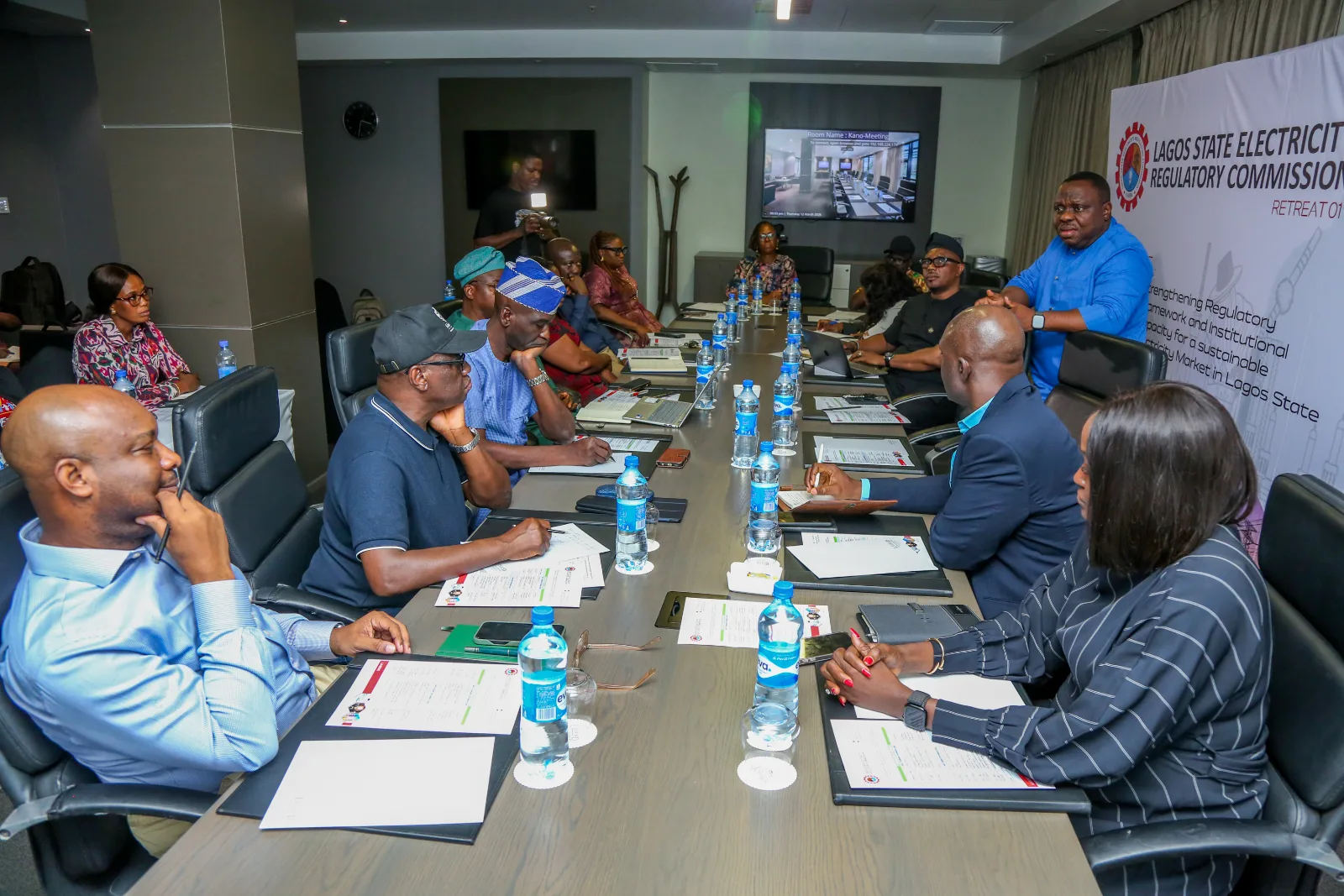
The Lagos State Electricity Regulatory Commission (LASERC) has established dedicated Electricity Complaints Resolution Panels to address disputes between electricity consumers and service providers.
In a statement issued on October 29, the commission said the panels would provide a formal process for resolving complaints that electricity distribution companies have failed to address satisfactorily.
The initiative covers issues including inaccurate billing, metering disputes and electricity service deficiencies.
According to the commission's announcement reported by Nairametrics, the first hearings will take place on November 4 and 5, 2026, focusing initially on complaints involving Eko Power Limited and IE Energy Lagos Limited (IEEL).
Why Lagos is introducing electricity complaints panels
Electricity billing disputes remain a major concern for residents and businesses in Lagos, particularly those who receive estimated bills or experience disagreements over their electricity consumption.
In an August interview, LASERC Chief Executive Officer Temitope George disclosed that billing-related complaints accounted for approximately 48% of all consumer grievances received by the regulator.
The figure highlights the scale of billing concerns in the state's electricity market, where customers frequently seek clarification over charges, metering and service delivery.
George said the commission was working to improve billing accuracy, accelerate meter deployment and strengthen compliance among electricity providers.
The commission's assessment of consumer complaints also identified transparency and effective dispute resolution as important areas requiring regulatory attention.
The new panels are intended to provide an additional layer of protection when disputes cannot be resolved directly between customers and their electricity providers.
How the complaints panels will operate
The panels will comprise professionals from several fields, including law, electrical engineering, finance, commerce, consumer rights advocacy and alternative dispute resolution.
Unlike ordinary complaint desks operated by electricity distribution companies, the panels are designed to provide independent consideration of unresolved disputes.
LASERC has specifically excluded employees of electricity distribution companies and its own personnel from serving as panel members.
The restriction is intended to reduce conflicts of interest and strengthen public confidence in the process.
According to the October 29 statement issued through LASERC's Public Affairs Unit, the panels are expected to promote fair consideration of complaints while improving accountability among electricity service providers.
However, the commission has not yet publicly established how quickly all cases will be resolved or how many complaints each panel can hear.
When and where will the hearings take place?
The inaugural hearings are scheduled for Wednesday, November 4, and Thursday, November 5, 2026.
According to the published hearing announcement, the sessions will take place at designated venues in Victoria Island and Alausa, Ikeja.
The locations identified include Commerce House, 1 Idowu Taylor Street, Victoria Island, and 10 Dr Nurudeen Olowopopo Way, Alausa, Ikeja.
The initial hearings will focus on unresolved disputes involving Eko Power and IEEL electricity distribution areas.
Consumers should confirm their specific hearing arrangements with LASERC before attending, as the announcement does not clearly assign individual cases or distribution areas to particular dates.
How can electricity consumers submit complaints?
Residents experiencing electricity billing disputes, faulty metering or persistent service problems are advised to first contact their electricity distribution company.
Customers should retain their complaint reference numbers, electricity bills, payment receipts and relevant correspondence.
Where the provider fails to resolve the complaint within the applicable period, the matter can be escalated to LASERC.
In its official consumer complaints guidance, the commission explains that a service request number or ticket identification is important for tracking complaints and supporting subsequent regulatory review.
Consumers can contact LASERC through:
Consumer complaints email: consumeraffairs@laserc.com.ng
Telephone/WhatsApp: 09169346145
Online complaints portal: LASERC official website
Customers should provide sufficient documentation to allow the commission to examine the dispute.
The establishment of the panels does not mean every complaint will automatically result in a refund, bill adjustment or immediate restoration of electricity. Outcomes will depend on the evidence and applicable regulations.
Lagos now regulates its electricity market
The initiative also reflects an important change in how electricity is regulated in Lagos.
Following reforms to Nigeria's electricity laws, Lagos established its own regulatory framework and assumed responsibility for overseeing electricity distribution activities within the state.
Previously, many electricity complaints were handled through the Nigerian Electricity Regulatory Commission (NERC).
The national regulator's existing complaints framework provides for customers to approach their electricity providers before escalating unresolved disputes.
LASERC now performs the relevant state-level regulatory functions for electricity consumers in Lagos.
The new panels represent an attempt to strengthen that local oversight by creating a structured mechanism for hearing unresolved grievances.
What this means for Lagos residents
For households, the panels could provide a clearer route for challenging disputed electricity bills and unresolved metering problems.
For businesses, particularly those operating equipment that depends on reliable power, more effective complaint resolution could help address disagreements over charges and service quality.
However, the effectiveness of the initiative will depend on whether consumers can access the panels easily and whether decisions are implemented by electricity providers.
The real test will be whether the panels can resolve complaints fairly and promptly, rather than simply providing another government office for dissatisfied electricity customers.