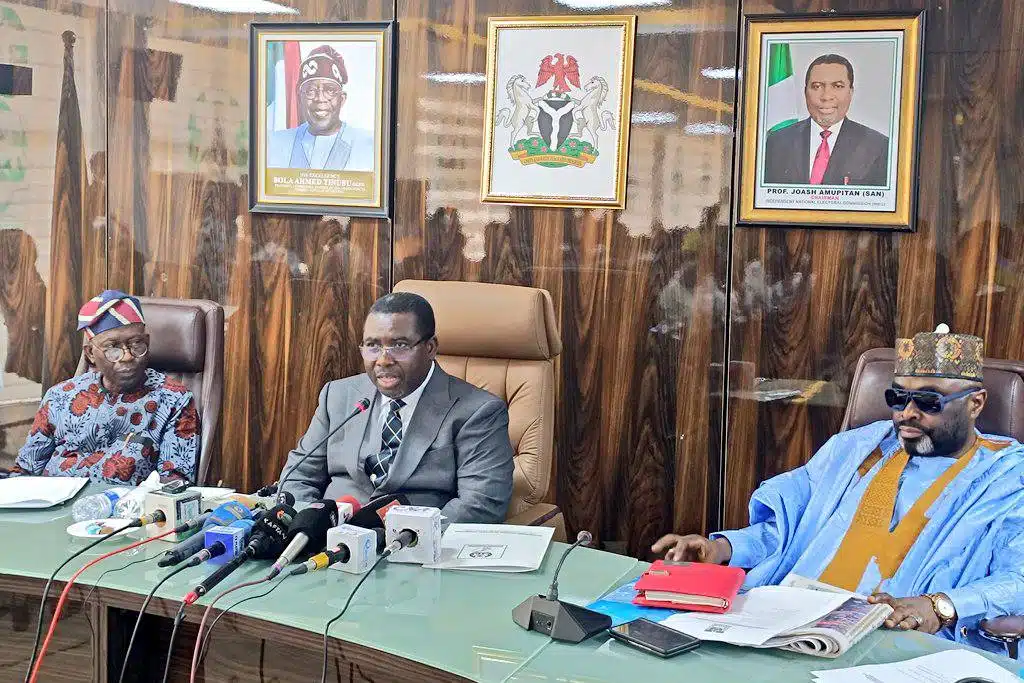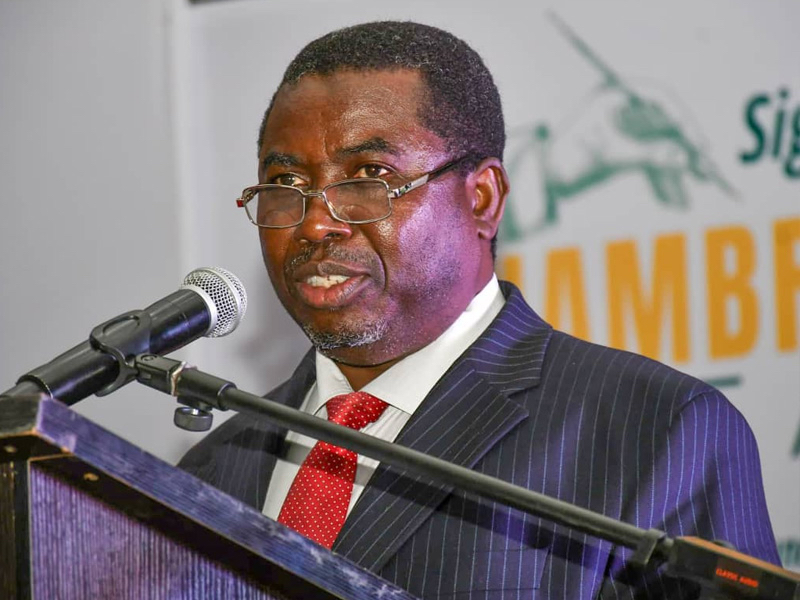
INEC (Independent National Electoral Commission) Chairman Joash Amupitan announced the final figure at a stakeholders’ meeting in Abuja, saying the commission added 10,772,421 new registrations during the three phases of its latest voter-registration exercise.
The figure is about 10 million higher than the 93,469,008 voters on Nigeria’s register for the 2023 general election. INEC’s official 2023 election report confirms that earlier figure.
Lagos and Kano still have the largest registers
Lagos has the highest number of registered voters with 7,488,633, followed by Kano with 6,570,276 and Kaduna with 4,662,640.
Katsina follows with 3,876,051, while Rivers has 3,736,434.
At the other end, Ekiti has the smallest register at 1,055,708, followed by Bayelsa with 1,200,691.
Male voters account for 53,528,218 of the national register, or 51.75%, while 49,900,497 registered voters are female.
Why INEC cleaned the register
The increase does not simply represent every person who registered during the latest exercise being added to the old total.
INEC also carried out biometric verification designed to identify multiple registrations and other invalid records before arriving at the final figure.
Earlier this year, Amupitan acknowledged that Nigeria’s register had longstanding problems including duplicate registrations, records belonging to deceased voters, non-citizens and inaccurate information, saying those issues could undermine confidence in elections.
The commission has now moved into the final stages of preparation for the 2027 elections.
A bigger register does not automatically mean more voters
Nigeria’s voter register has continued to grow, but participation has not grown at the same pace.
That distinction matters because 103 million registered voters does not mean 103 million people will vote.
The register establishes how many Nigerians are eligible to participate. Turnout will depend on how many obtain or retain access to their PVCs, reach polling units and decide to vote.
This is my argument
The success of this voter-registration exercise should not ultimately be measured by whether Nigeria crossed 100 million registered voters. It should be measured by how many of those people are actually able and willing to participate.
INEC itself has said that confidence in the voter register is fundamental to confidence in an election. Earlier concerns over duplicate, inaccurate and outdated records explain why the biometric clean-up matters just as much as the additional registrations.
So the 103,428,715 figure gives Nigeria a larger potential electorate.
The more important number will come after election day: how many of them actually voted.