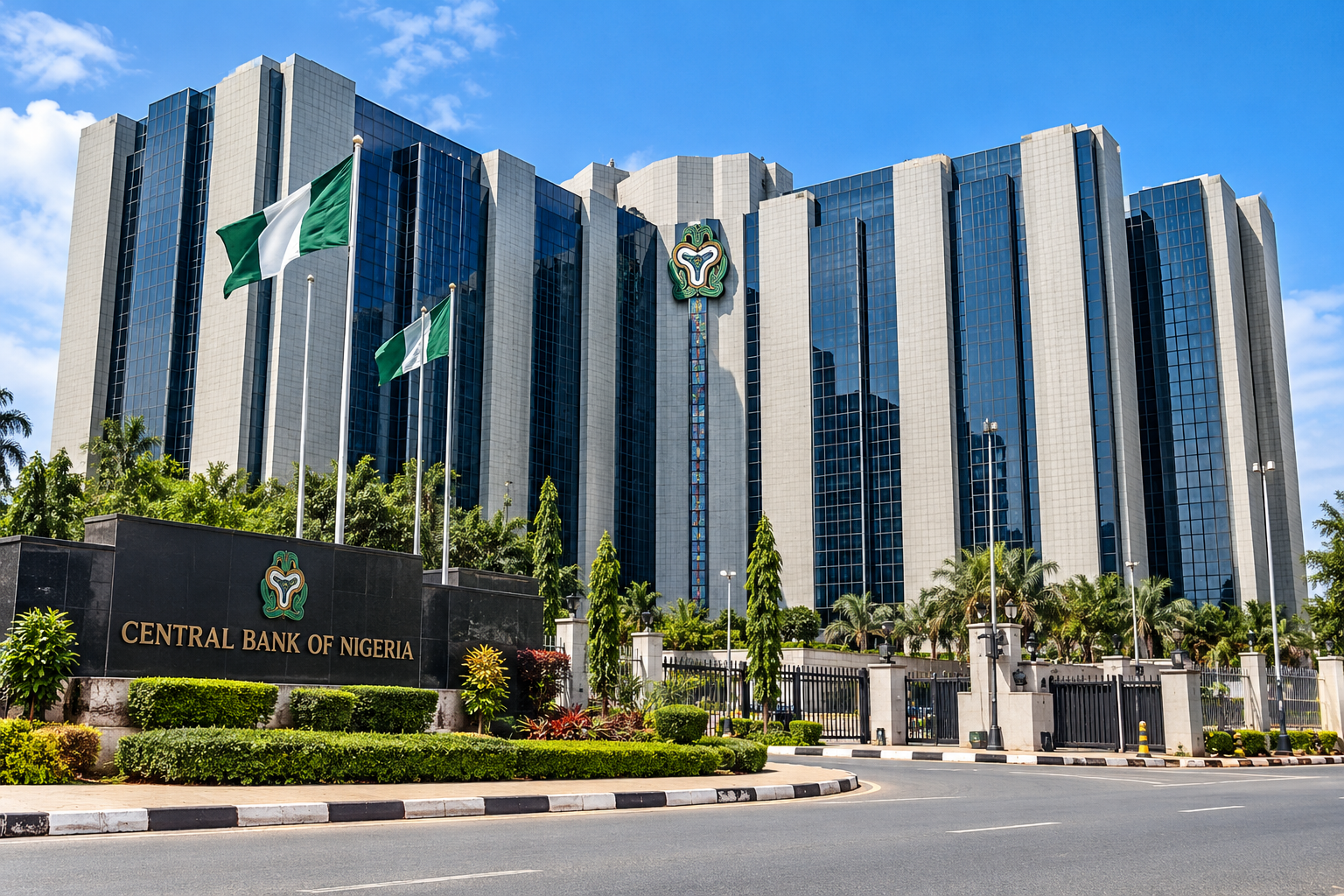
The DMO (Debt Management Office), through the CBN (Central Bank of Nigeria), received about ₦1.77 trillion in bids across the three Treasury bill maturities offered on October 7. The government eventually accepted ₦968.47 billion. CBN — Nigerian Treasury Bills data
The original offer consisted of ₦100 billion in 91-day bills, ₦100 billion in 182-day bills and ₦700 billion in 364-day bills, bringing the total planned borrowing to ₦900 billion.
Investors overwhelmingly wanted the one-year bill
The 364-day Treasury bill attracted about ₦1.68 trillion in bids for the ₦700 billion initially offered.
The government eventually allotted ₦885 billion of those bills, meaning the one-year instrument alone accounted for more than 90% of the money raised at the auction.
By comparison, investors submitted just ₦39.42 billion for the 91-day bills and ₦46.87 billion for the 182-day bills. FMDA — October 7 Treasury Bills auction analysis
Government is borrowing at a lower rate
The stop rate on the 364-day bill fell slightly to 15.85%, from 15.89% at the previous auction.
The 91-day and 182-day rates remained at 15.50% and 15.80% respectively.
The one-year rate has now fallen substantially from the 17.70% recorded in July, reducing what the Federal Government has to pay investors for short-term borrowing. FMDA — Treasury Bills market data
The decline has followed the CBN’s September reduction of its benchmark interest rate, which has helped push yields lower across parts of Nigeria’s fixed-income market.
What this means
Treasury bills are short-term government securities used partly to raise money and manage liquidity in the financial system.
The latest auction shows that investors still have strong demand for Nigerian government debt even as the returns being offered gradually decline.
For the Federal Government, that means it was able to borrow ₦68.47 billion more than originally planned without increasing the one-year interest rate.
For investors, however, falling Treasury bill rates mean the unusually high returns available on government securities over the past few years are gradually becoming smaller.
The next question is whether rates continue falling as monetary conditions ease — and how that affects where banks, pension funds and other investors choose to put their money.