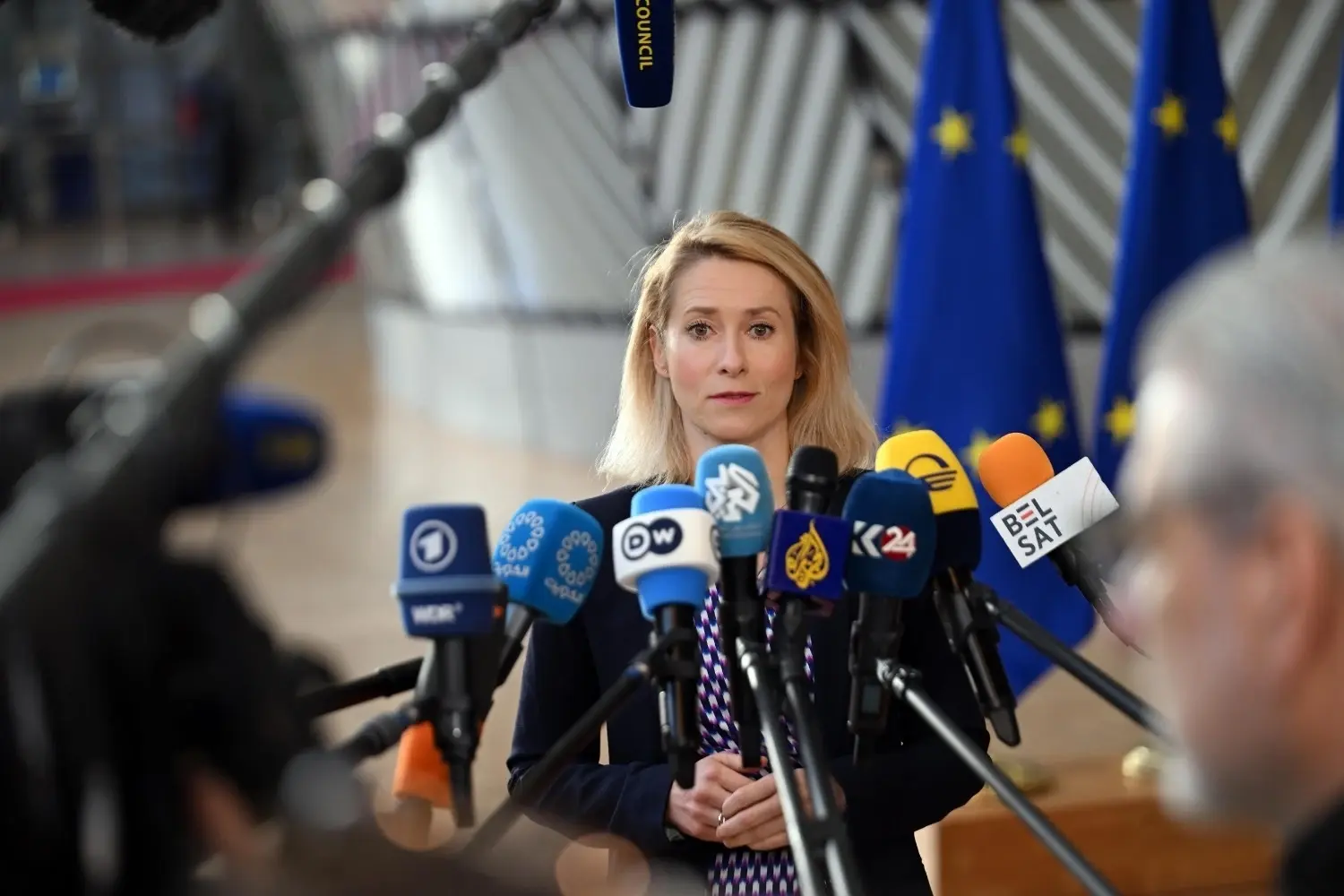
EU foreign policy chief Kaja Kallas said on September 28 that the bloc was applying for observer status in the Saudi-led coalition while also looking for more ships for its own maritime operation in the region. European External Action Service
The coalition was proposed by Saudi Arabia to strengthen maritime security, protect international sea routes and respond to threats against commercial shipping.
At a meeting hosted by the Saudi Ministry of Defence in July, representatives from 43 countries and the EU took part. Fourteen countries formally supported the coalition’s founding arrangements: Saudi Arabia, Kuwait, Bahrain, Qatar, Pakistan, Türkiye, Egypt, Jordan, Yemen, Bangladesh, Nigeria, Sudan, Djibouti and Somalia. Saudi Press Agency — coalition announcement
That makes Nigeria more directly connected to this story than simply being affected by higher shipping costs.
What would EU observer status mean?
The EU is not seeking to become a full member of the coalition for now.
Observer status would allow it to follow the coalition’s activities and coordinate more closely with its members without necessarily placing European naval forces under the coalition’s command.
Saudi Arabia has already started building the coalition’s structure. In August, it appointed Rear Admiral Abdullah bin Salem Alshehri as commander, with responsibility for coordinating maritime operations among participating countries and other maritime coalitions. Saudi Press Agency — coalition commander appointment
The EU’s interest therefore appears to be partly about coordinating different naval efforts already operating around the same important shipping routes.
Europe already has its own Red Sea naval mission
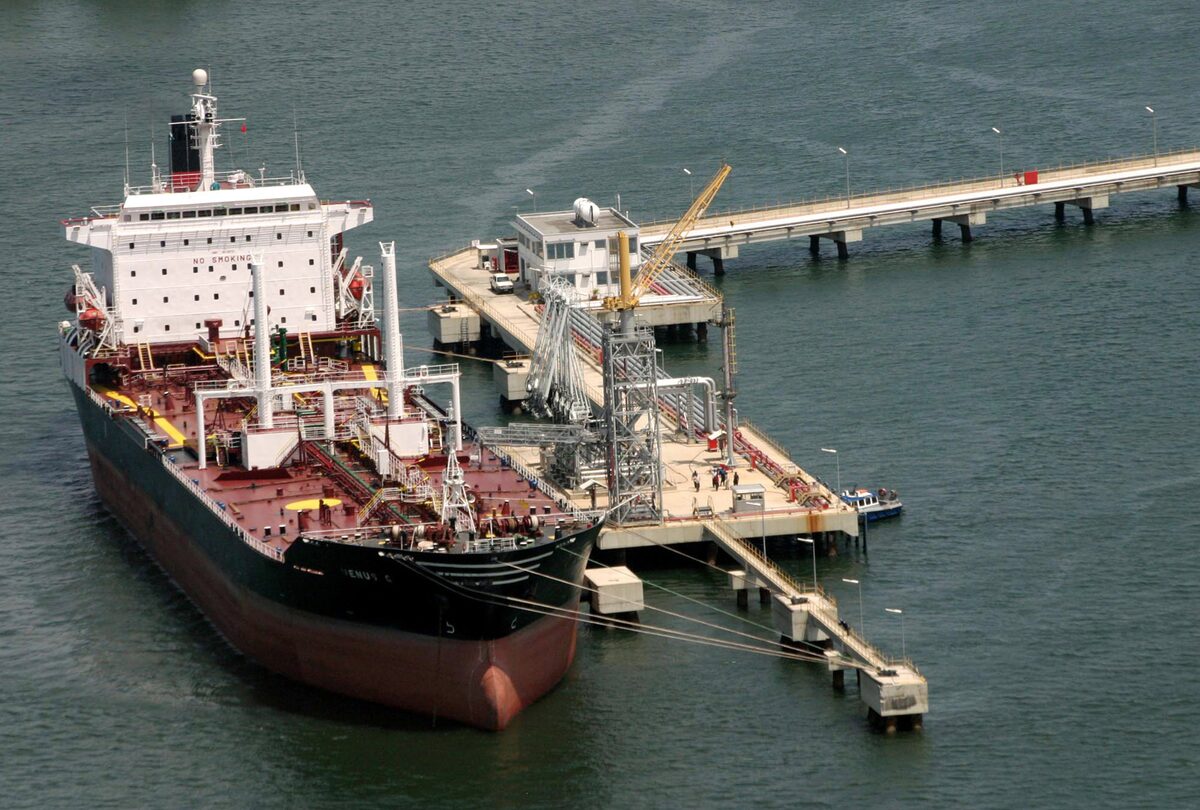
The EU operates EUNAVFOR ASPIDES, a defensive maritime mission created in 2024 to help protect commercial ships travelling through the Red Sea and surrounding waters.
By August 2026, ASPIDES had supported more than 2,390 merchant vessels and provided close protection to more than 720 ships. European External Action Service — ASPIDES mandate
Kallas said the operation now needs more vessels capable of escorting commercial ships through Bab el-Mandeb, the narrow waterway between Yemen and the Horn of Africa. European External Action Service — Kaja Kallas remarks
Bab el-Mandeb is important because ships travelling between Asia and Europe normally pass through it before continuing through the Red Sea and Suez Canal.
If ships avoid the route because of attacks, many have to sail around southern Africa instead — adding distance, time, fuel and insurance costs to international trade.
Why security around the Red Sea has become more important
The region has faced repeated attacks and threats against commercial shipping linked to Yemen’s Houthis.
In July, the EU described Houthi threats to impose a maritime blockade on Saudi Arabia as a direct threat to regional stability and said an attack on an oil tanker in the Red Sea further endangered international navigation. European External Action Service — Red Sea statement
Saudi Arabia has also said protecting commercial vessels and international sea lanes is one of the main reasons for creating the multinational coalition. Saudi Press Agency — maritime defence coalition
The issue has become even more important because instability is affecting two major energy routes at the same time: the Red Sea and Bab el-Mandeb on one side, and the Strait of Hormuz on the other.
Disruption to either can affect oil, gas and goods moving between the Middle East, Asia, Europe and Africa.
Nigeria is already part of the coalition effort
Nigeria’s inclusion among the 14 countries backing the coalition means this is not simply another foreign security arrangement that Nigeria is watching from outside.
The coalition’s founding statement says participating countries want to strengthen their collective ability to deter threats to maritime security, protect international sea lanes and keep global trade moving. Saudi Press Agency — founding countries
What Nigeria’s practical contribution will be has not yet been publicly detailed.
Supporting the coalition does not necessarily mean Nigeria will immediately deploy naval vessels to the Red Sea. Countries still have their own national procedures, and the exact responsibilities of individual members have not all been made public.
That is an important distinction as the coalition moves from political support into actual operations.
What this means
For Nigeria, there are two sides to the story.
First, Nigeria has formally backed a new international maritime-security arrangement, so it will be important to see what role the country eventually plays and whether that involves personnel, ships, intelligence or mainly diplomatic support.
Second, Nigeria has an economic interest in safer shipping routes.
A large share of goods moving between Asia, Europe and Africa travels through these waters. Longer routes and higher insurance costs can eventually make imported machinery, raw materials and consumer products more expensive.
As an oil-producing country, Nigeria can also benefit when disruption pushes crude prices higher, but those gains can come alongside higher global transport, fuel and production costs.
The next things to watch are whether the EU receives observer status, what operational role Nigeria takes inside the coalition, and whether the combined maritime missions can reduce attacks enough for commercial shipping to move more normally through the region.