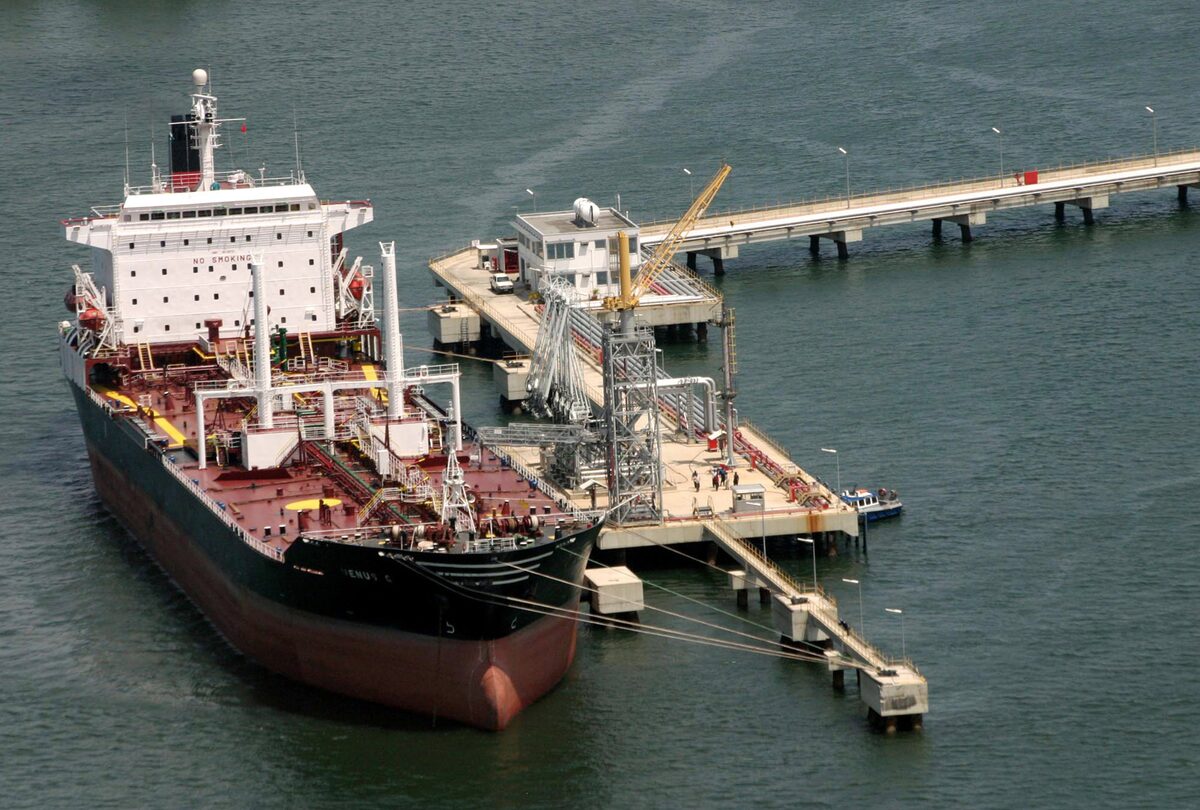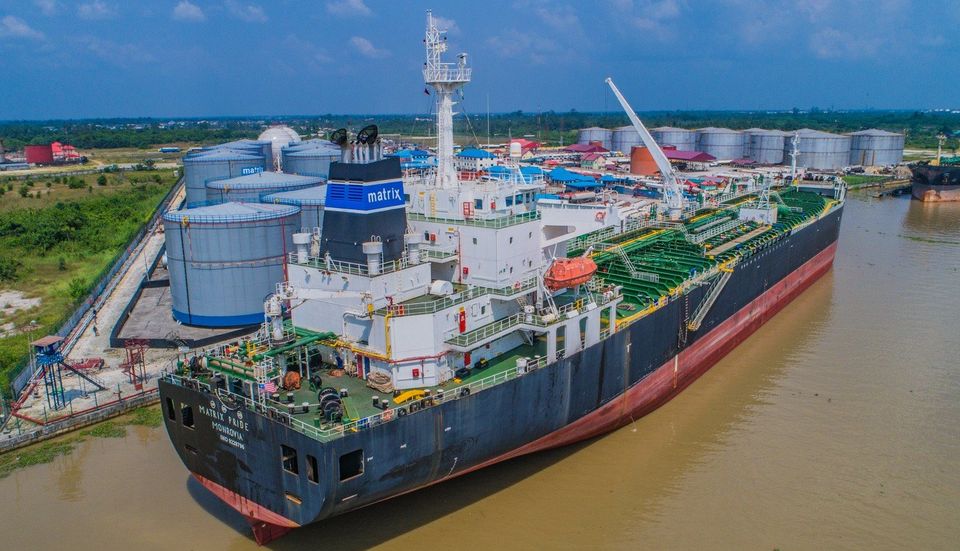
Justice Inyang Ekwo ruled that NMDPRA (Nigerian Midstream and Downstream Petroleum Regulatory Authority) could not refuse qualifying applications in a way that conflicts with the Petroleum Industry Act.
The case followed the regulator’s refusal to issue or renew import licences sought by the three marketers. The court held that Nigeria’s petroleum law does not ban the importation of petroleum products or prevent eligible companies from receiving import licences.
The ruling does not give the companies automatic licences
Matrix, A.A. Rano and AYM Shafa still have to meet the regulatory requirements for importing fuel.
NMDPRA’s own import system requires applicants to provide evidence including financial capacity, a record of international petroleum-product trading and, where applicable, a wholesale petroleum liquids supply licence. NMDPRA — Petroleum Product Import and Export Permit System
So the court’s decision is not an unrestricted permission to import fuel. It means the regulator must process qualifying applications according to the law rather than effectively shutting eligible marketers out of the import market.
Competition was an important part of the case
The court referred to provisions of the PIA (Petroleum Industry Act) requiring NMDPRA to promote competition in Nigeria’s midstream and downstream petroleum sector and guard against restrictive practices or abuse of dominant market positions. Petroleum Industry Act 2021
This matters because Nigeria’s petrol market is changing quickly.
Domestic production has increased significantly since the Dangote refinery began supplying petrol, reducing the amount of imported fuel entering the country.
But imports have not stopped completely, and several marketers still depend on imported products to supplement domestic supply.
What this means
The ruling keeps fuel imports open as an option for eligible marketers even as Nigeria tries to increase domestic refining.
That could help maintain competition between locally refined and imported products and reduce the risk of the market depending too heavily on one supplier.
It does not mean imports must increase, or that imported petrol will automatically be cheaper.
Marketers will still decide whether importing makes commercial sense based on international prices, exchange rates, shipping costs and the price of locally refined fuel.
For now, the main effect of the judgment is clearer: NMDPRA can regulate petroleum imports, but it cannot simply block qualified companies from obtaining licences when they meet the conditions set by law.