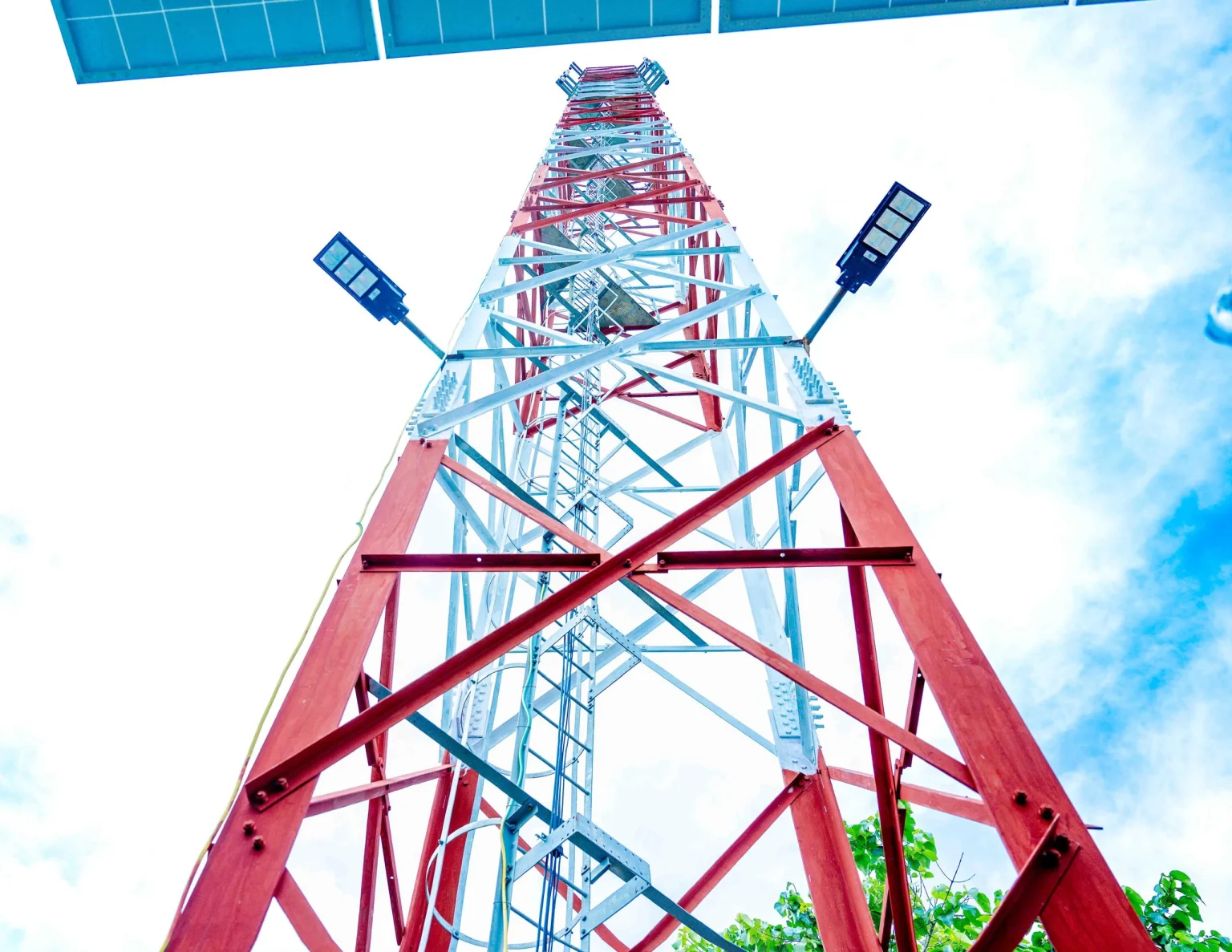
The Minister of Communications, Innovation and Digital Economy, Bosun Tijani, launched the programme on Friday, October 16, 2026, with the commissioning of a telecommunications tower in Bende, Abia State.
According to the minister’s announcement, the project aims to connect communities that have remained underserved by existing telecommunications networks.
How will the project work?
The NUCAP (Nigeria Universal Communication Access Project) will provide telecommunications infrastructure in rural and underserved communities across Nigeria’s 36 states.
According to the Federal Ministry of Communications, the 3,700 planned sites will support mobile broadband, public Wi-Fi, digital learning and related infrastructure.
The project is intended to help telecommunications companies extend services to communities where commercial network operators have struggled to establish coverage.
In September, Tijani announced a target of making at least 200 sites operational before December 2026.
However, the full national rollout timetable and the final list of communities to be connected have not been publicly confirmed.
Why was Abia selected for the first commissioning?
The first commissioned facility is located in Bende Local Government Area of Abia State, where communities have experienced difficulties accessing reliable telecommunications services.
During the commissioning, Deputy Speaker of the House of Representatives Benjamin Kalu said at least 16 additional locations in Bende required improved network coverage.
Tijani also promised that the government would work towards connecting every community in Bende before Christmas.
The minister said the rollout would continue in other parts of the country over the coming months.
How is the project being funded?
The government’s April 2026 investment proposal outlined a public-private ownership arrangement for the project.
Under the proposed structure, the Federal Government, through the Ministry of Finance Incorporated, would hold 90% of the project company, while private investors would acquire the remaining 10%.
The ministry sought approximately $35 million in private equity investment.
The final financing arrangements and total implementation costs have not been independently confirmed.
What this means for Nigerians
Reliable telecommunications services are increasingly important for banking, education, healthcare and everyday business activities.
For farmers, better network coverage could make it easier to contact buyers. Students could access online learning resources, while businesses could receive digital payments more reliably.
However, building towers does not automatically guarantee affordable data or uninterrupted network services. Electricity supply, maintenance and the quality of service provided by operators will remain important.
The project’s success will ultimately depend on how many previously disconnected Nigerians gain reliable, affordable access to telephone and internet services.