Responsibilities of the office
Presiding over sittings
Chairs Senate proceedings, manages debate and applies the chamber’s procedural rules.
Legislative business
Helps organise parliamentary work, including consideration of bills, motions and committee reports.
Oversight and accountability
Leads a chamber whose constitutional responsibilities include scrutinising public administration, budgets and specified appointments. These powers belong to the Senate and are exercised through its processes.
Constituency representation
Also serves as the elected senator for Akwa Ibom North-West.
Institutional independence
The legislature is separate from the executive and judiciary; its presiding officer cannot unilaterally enact a law.
About Godswill Akpabio
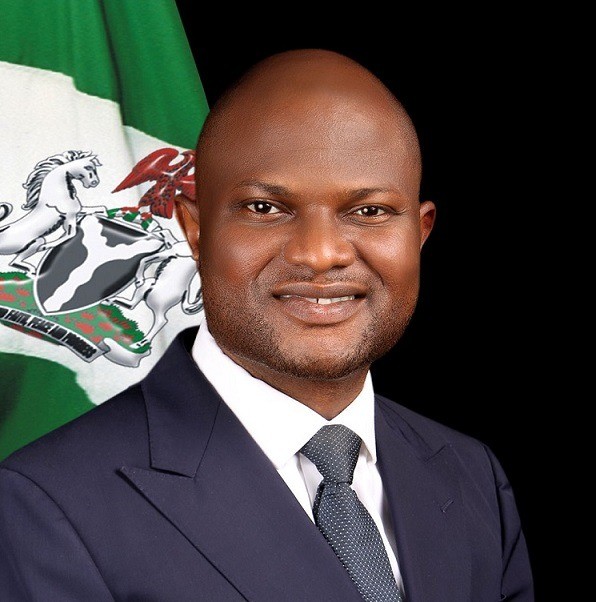
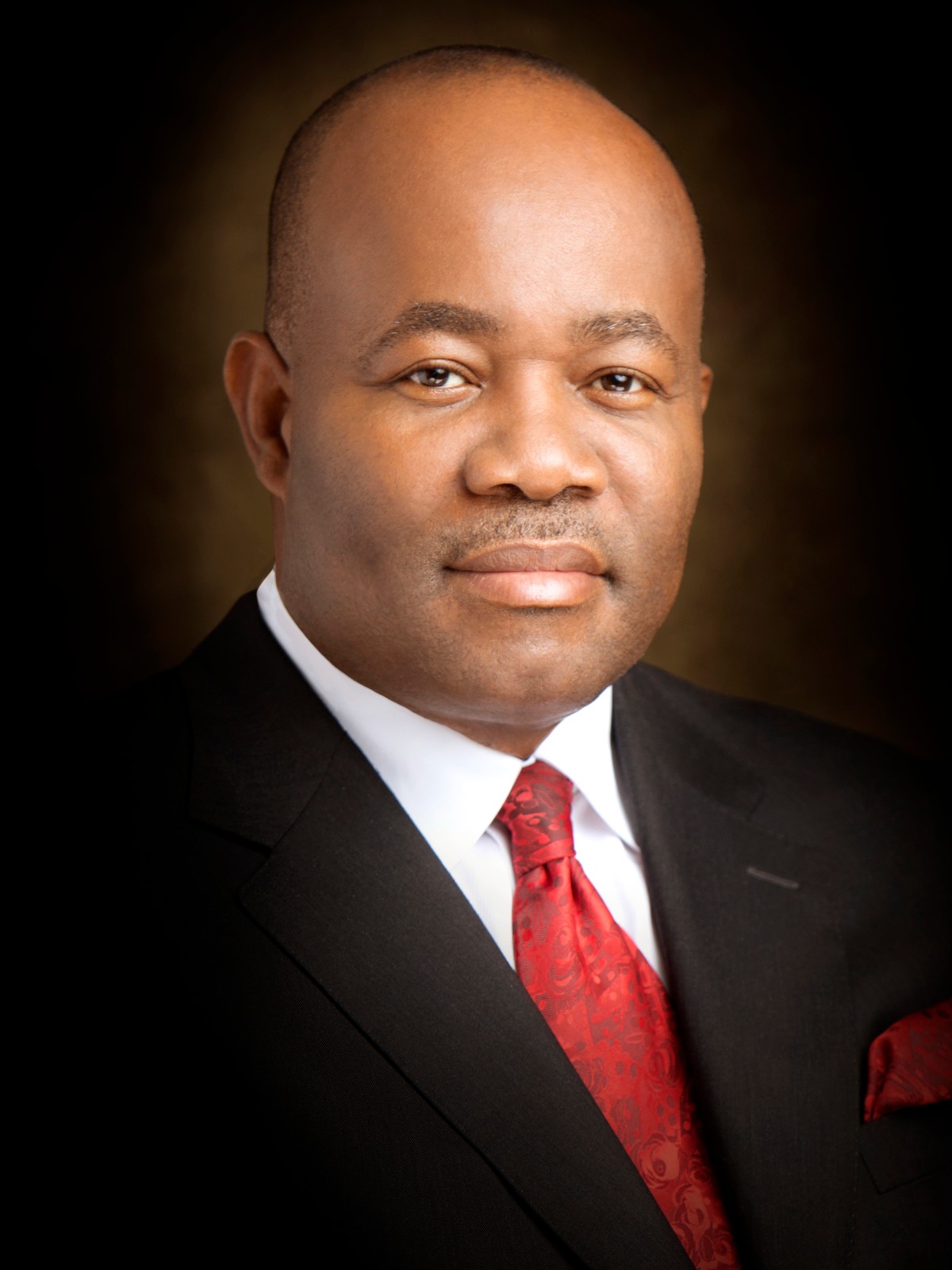
Godswill Obot Akpabio leads the Senate in the 10th National Assembly and represents Akwa Ibom North-West. The Senate is one of Nigeria’s two federal legislative chambers.
Early life and legal education
Akpabio was born on 9 December 1962 in Ukana Ikot Ntuen, in present-day Essien Udim, Akwa Ibom State. He attended Federal Government College, Port Harcourt, studied law at the University of Calabar and was called to the Nigerian Bar in 1988.
Private-sector and state-government career
His professional work included legal practice and corporate responsibilities in telecommunications. In 2002, he became a commissioner in Akwa Ibom State. His cabinet portfolios included petroleum and natural resources, local government and chieftaincy affairs, and lands and housing.
Governor and Senate leadership
Akpabio became Governor of Akwa Ibom State in 2007 and won re-election in 2011. He now occupies a parliamentary leadership position: presiding over senators does not make the Senate a department of the Presidency.
What the office means
The Senate President conducts proceedings under the Constitution and the chamber’s rules. Laws and resolutions are decisions of the chamber through the required procedures, rather than personal orders of its presiding officer.